
Lieferung heute & morgen

Qualitätsgarantie

Willkommens-Angebote freischalten: KOSTENLOSE Lieferung | Bis zu 80 % RABATT | Kostenlose 30-Tage-JoyPlus-Testphase
App herunterladen
Dry hands are often caused by cold air, frequent handwashing, hand sanitiser or cleaning products. But when buying hand cream, a pleasant fragrance isn’t the only thing to consider. Some products promise intensive care but take a long time to sink in, or contain fragrances that may not suit sensitive skin.
A scented hand cream may smell lovely, but that says little about its skincare benefits. Fragrances such as limonene, linalool or citral may trigger unwanted reactions in sensitive skin. If your skin is prone to redness or tightness, look for a formula with a straightforward ingredients list and, if appropriate, choose a fragrance-free hand cream.
A fast-absorbing hand cream is handy at work or on the go. But if your hands are very rough, a light gel texture may be less suitable than a richer formula containing shea butter, plant oils or skin-conditioning lipids. Think about when you’ll use it: a lighter cream for the day and a richer one for the evening or overnight.
Labels such as hand cream for age spots, anti-ageing hand cream or “repair” usually describe the product’s intended purpose, but they don’t guarantee a particular result. When choosing a cosmetic product, check the details, including its ingredients, sun protection factor, size and directions for use. If you notice visible changes to your skin or have persistent symptoms, speak to a healthcare professional.
For dry, rough hands, ingredients that hydrate and replenish the skin’s oils may be helpful:
The full INCI ingredients list on the packaging is the definitive reference. Online product information may change.
A cream for your desk should sink in quickly and avoid leaving an uncomfortable film. At night, you can opt for a richer texture. Apply it especially to the backs of your hands, knuckles, between your fingers and around your cuticles. It’s particularly convenient to reapply after washing your hands.
Your hands are regularly exposed to UV rays. A hand cream with SPF can be an additional option during the day. However, the SPF shown on the product doesn’t automatically replace comprehensive sun protection during prolonged direct exposure.
If you’re considering a hand cream for age spots or an anti-ageing hand cream, check the brand’s claims carefully. These formulas may contain vitamin C, retinol or exfoliating ingredients. If you have sensitive skin, it’s a good idea to test the product on a small area first.
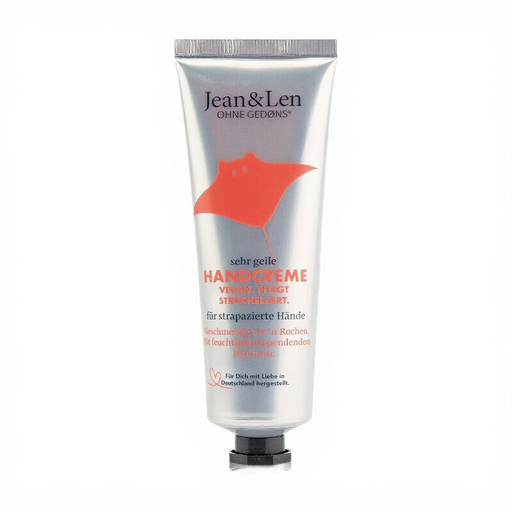
Why this product suits this profile: This unisex hand cream is aimed at shoppers looking for a vegan everyday moisturiser with several hydrating ingredients.
The product description states that the formula is 100% vegan and free from parabens, silicones, mineral oils and microplastics. Check the current packaging information before buying.
Hyaluronic acid, plant-derived glycerin, cupuaçu butter and sunflower oil; according to the product information, it leaves no greasy residue.
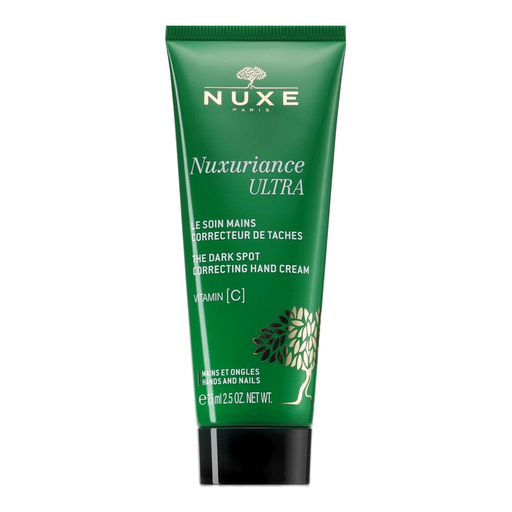
Why this product suits this profile: This rich moisturiser is designed for dry hands and cosmetic concerns around achieving a more even-looking skin tone.
The product description lists vitamin C, shea butter and sweet almond oil. Cosmetic claims about pigmentation spots should not be confused with medical treatment.
75 ml tube, nourishing ingredients and, according to the product description, a silky, non-greasy texture.
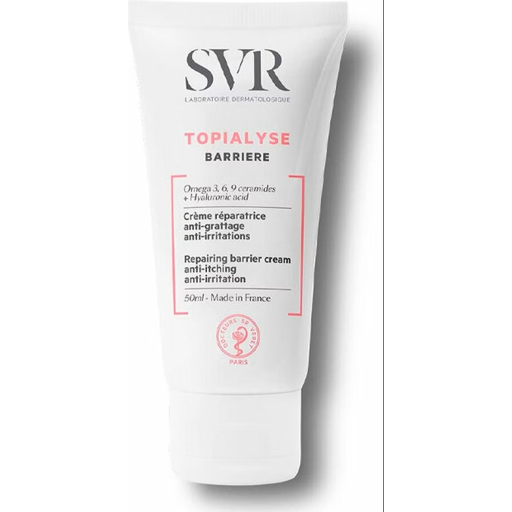
Why this product suits this profile: According to the product description, this fragrance-free formula is designed for dry, reactive and hard-working skin, and is suitable for frequent use.
Rather than focusing on fragrance, the product description highlights a water-resistant protective formula. Stop using it if irritation occurs.
Listed ingredients include ceramides, glycerin, squalane and omega oils. The 50 ml size is handy for your handbag or workplace.
We’ve put together a complete, regularly updated list of products that meet these strict selection criteria and fully comply with the safety regulations in force in the EU.
Look for a richer moisturising hand cream with glycerin, urea, shea butter or plant oils. If your skin is cracked, very irritated or repeatedly inflamed, seek medical advice to find out what’s causing it.
Apply it after washing your hands and whenever your skin feels dry or tight. A light cream is suitable for daytime, while a richer moisturiser can be used in the evening. The key is to apply a small amount regularly.
Check the open jar symbol, known as the Period-after-Opening symbol, as well as the printed best-before or expiry date. Changes in smell, colour or texture are reasons not to use the product any longer.