
Lieferung heute & morgen

Qualitätsgarantie

Willkommens-Angebote freischalten: KOSTENLOSE Lieferung | Bis zu 80 % RABATT | Kostenlose 30-Tage-JoyPlus-Testphase
App herunterladen
Dry, rough hands or hands affected by frequent washing don’t automatically need the richest formula. When buying hand cream, consider your skin type, when you’ll use it, the ingredients, fragrance and packaging. A cream that feels comfortable at your desk may take too long to absorb when you’re out and about. A fragranced hand cream may smell appealing, but it won’t suit every sensitive skin type.
Descriptions such as moisturising hand cream or “intensive care” tell you little about how a product will feel in everyday use. A very rich formula may seem like a good choice for cracked hands, but it could leave a film on your keyboard, mobile phone or steering wheel. A fast-absorbing texture is often more practical for use at work or on the go.
A fragranced hand cream combines hand care with a sensory experience. However, fragrance is not an objective indicator of a product’s skincare properties. Perfume and listed fragrance ingredients such as limonene, linalool or citral may be relevant if you have sensitive skin. If your skin is prone to reactions, check the full INCI list and try a small amount first.
“Natural”, “clean” and “vegan” are not standardised quality categories. What matters is whether the specific product description or a verifiable certification supports the claim. Packaging is also worth considering: a hygienic pump dispenser is practical, while a compact tube is easier to carry in a handbag or coat pocket.
For hand cream for dry hands, look for formulas with classic humectants and nourishing lipids. Common ingredients include glycerin, hyaluronic acid, urea, plant oils, shea butter and squalane. The ingredients list shows what a product contains, but you shouldn’t assume it will have a particular effect based on the ingredients alone.
A nourishing, fragranced hand cream may feature notes such as citrus, herbs, woods, rose or musk. Subtle fragrances are generally more suitable for the workplace or shared spaces than strong scents. If you’re sensitive to fragrance, a fragrance-free option is the more straightforward choice.
Choose a size that suits how you’ll use the product. Sizes of around 30 to 50 ml are handy when you’re out and about, while 75 to 125 ml sizes are designed for regular use at home or in the office. A 300 ml hand lotion may be a good choice for shared use in the bathroom. The packaging should clearly show information such as the product’s shelf life, batch number and responsible person.
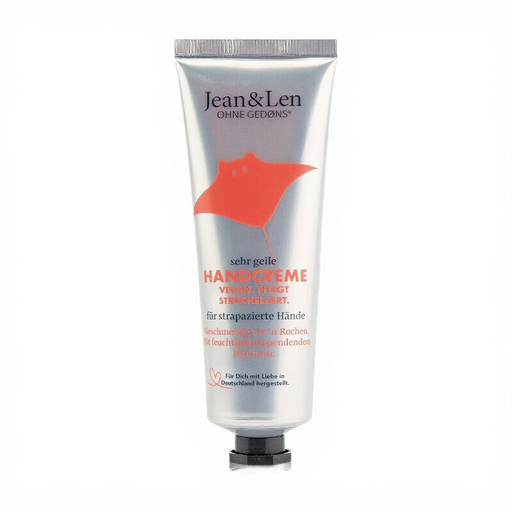
Why this product suits this profile: This vegan formula is designed for daily use and combines hyaluronic acid, plant-derived glycerin, cupuaçu butter and sunflower oil. According to the product description, it is free from parabens, silicones, mineral oils and microplastics.
The product description names specific ingredients and exclusions rather than relying solely on general skincare claims.
100% vegan formula according to the product details; several moisturising and conditioning ingredients; designed for hands that face everyday wear and tear.
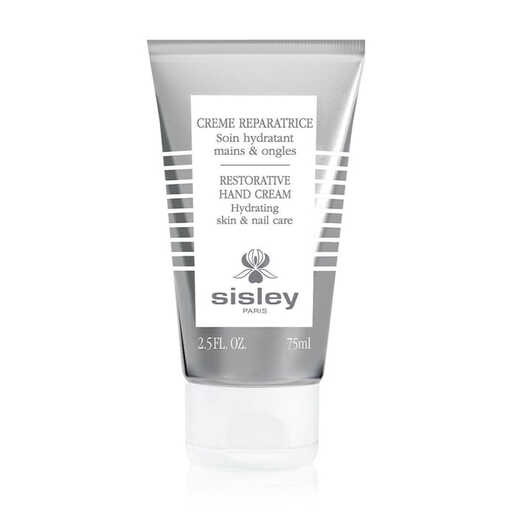
Why this product suits this profile: The product description is aimed at shoppers looking to combine hand care with nail and cuticle care. Ingredients mentioned include shea butter, glycerin, panthenol, saccharide isomerate and plant oils.
The 75 ml size and the described lightweight, non-greasy texture make it easier to assess than a product relying on luxury claims alone.
Hand and nail care in one product; described as leaving a powdery, non-sticky finish; listed as suitable for all skin types.
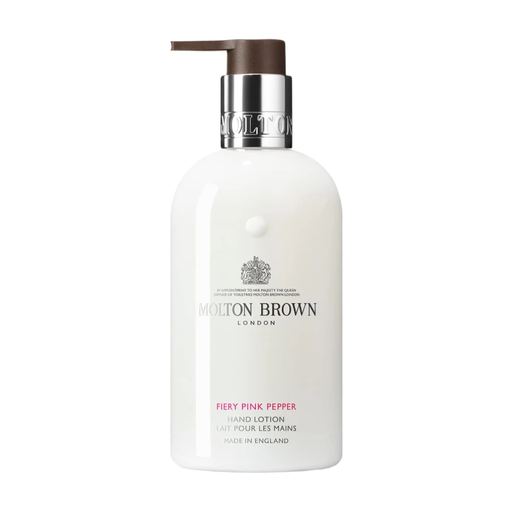
Why this product suits this profile: The 300 ml hand lotion is suited to frequent use at home or in the office. Its fragrance is described with notes of pink pepper, ginger, patchouli and cedarwood.
The generous size means you won’t need to replace it as often. However, check that the distinctive fragrance suits your surroundings before buying.
300 ml; described as vegan and cruelty-free; fast absorption is claimed.
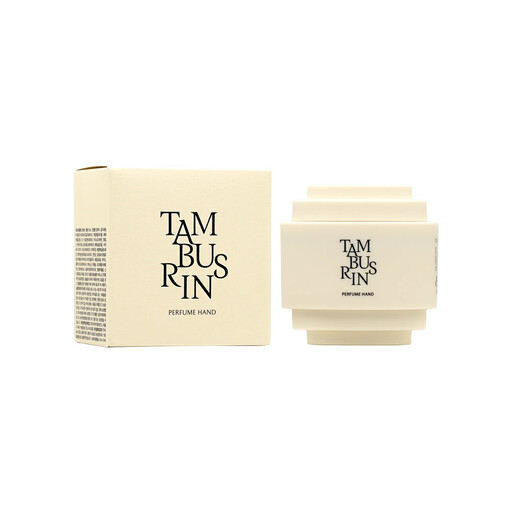
Why this product suits this profile: The compact 30 ml size is ideal for a handbag, travel or your desk. The cream is described as a fragrance-like skincare product with notes of camomile, sage, soft woods and musk.
The small size limits the risk of choosing the wrong product if you find the fragrance too strong. According to the product details, ingredients, colour and packaging may vary with parallel imports.
30 ml; airless pump system on the Shell version described; skincare and fragrance in one handy format.
We’ve put together a complete, regularly updated list of products that meet these strict selection criteria and fully comply with the safety regulations in force in the EU.
Apply a small amount to clean, dry hands and massage it in, paying particular attention to the spaces between your fingers, knuckles and cuticles. It’s a good idea to reapply after washing your hands if your skin feels dry. When trying a new formula, test it on a small area of skin first. Avoid contact with your eyes, and stop using the product if irritation occurs.
Check the packaging and product details for information about shelf life. Before buying and after receiving your product, check the batch number, best-before date or period after opening. Store products in a cool, dry place away from direct sunlight.
It depends on the skin feel you’re looking for and how your skin responds. If you have dry hands, you may want to look for formulas containing glycerin, hyaluronic acid, urea, shea butter or plant oils. If you’re after a non-greasy everyday option, also check the information about absorption and texture.
There’s no set number of times. It’s a good idea to apply it after washing your hands or whenever they feel dry and tight. If you use hand cream frequently, a light hand lotion may be more practical during the day, while a richer cream may suit your evening routine.
A hand lotion is often lighter and easier to spread over a larger area, while hand cream usually has a thicker texture. However, these terms aren’t fully standardised. So when choosing a product, the description, INCI list, size and usage instructions are more informative than the name alone.