
Lieferung heute & morgen

Qualitätsgarantie

Willkommens-Angebote freischalten: KOSTENLOSE Lieferung | Bis zu 80 % RABATT | Kostenlose 30-Tage-JoyPlus-Testphase
App herunterladen
Dry hands are often caused by frequent handwashing, sanitiser, cold weather or dry indoor air. When buying a hand cream, a pleasant fragrance or attractive packaging shouldn’t be your only considerations. What matters is your skin type, the ingredients, how often you’ll use it and whether it absorbs quickly enough for everyday life.
A luxury hand cream may offer high-quality care oils, a distinctive texture or a signature fragrance. But price alone isn’t a reliable guide to whether it’s suitable for very dry hands. Instead, check whether the formula contains ingredients such as glycerin, urea, shea butter, ceramides or other replenishing emollients.
Descriptions such as repairing hand cream, “Cica” or “barrier protection” usually indicate the type of care a product is designed to provide, but they’re no substitute for checking the INCI list. Rich ingredients can be useful for hands that are under strain. If you have sensitive skin, you should also check for fragrance and known allergens.
A fragranced hand cream can make your skincare routine more enjoyable, but that doesn’t automatically make it suitable for sensitive skin. Very lightweight textures absorb quickly, but may need to be applied more often to very rough hands. So choose a moisturising hand cream that suits how you’ll use it: a light lotion for when you’re out and about, and a richer cream for the evening.
Urea binds water and is often used in products for dry or rough skin. Depending on its concentration, urea may sting if you have small cracks in your skin. According to the product information, Eucerin UreaRepair PLUS Hand Cream contains 5% urea, ceramides and natural moisturising factors.
Glycerin helps the skin retain moisture. Shea butter, plant oils and certain fatty alcohols can help leave skin feeling softer. Ceramides are found in many barrier-protecting formulas. However, no single active ingredient determines whether a product is suitable for you; the formula as a whole matters.
If you’re prone to reactions, check the current ingredients list on the product. Fragrance ingredients such as limonene, linalool or citronellol are found in several fragranced products. Always refer to the packaging, as formulas can change.
Size matters too: 30 to 50 ml fits in a handbag or coat pocket, while 100 to 150 ml may be better value for use at home. A tube is hygienic and practical when you’re out and about. A jar lets you take out larger amounts, but you should always use it with clean hands.
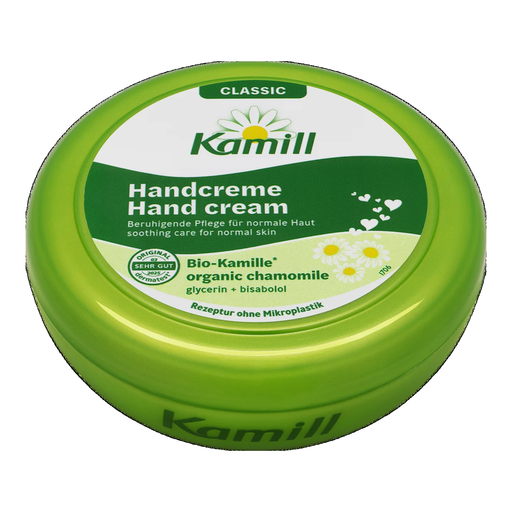
Why this product suits this profile: The 150ml size is ideal for everyday skincare at home. According to the product description, the vegan formula contains chamomile extract and bisabolol, and is free from mineral oils, paraffins, parabens and colourants.
Its clear focus on normal skin and hand and nail care makes it easier to choose without exaggerated claims. It does contain fragrance, so check the ingredients if you have sensitive skin.
Generous size, vegan product information and chamomile extract; designed for regular use on hands and nails.
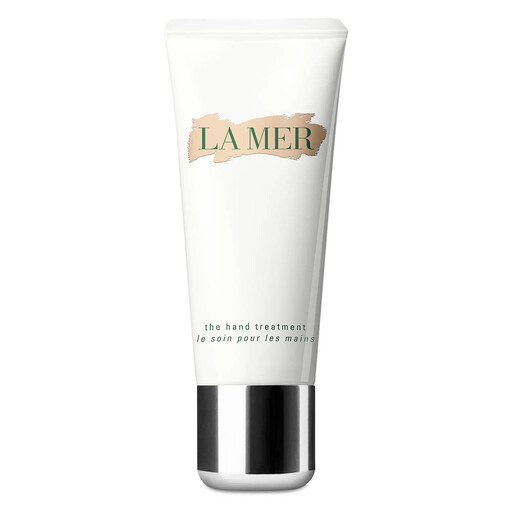
Why this product suits this profile: The creamy texture is designed for dry skin and combines glycerin with oils, squalane, shea butter and other nourishing ingredients. The 100ml size is suitable for regular use.
The ingredients list gives you a clear picture of its rich nourishing base. The product is fragranced and contains listed fragrance ingredients, so it’s worth comparing alternatives if you’re sensitive to fragrance.
Rich nourishing ingredients, a 100ml size and a focus on dry skin and a pampering skincare experience.
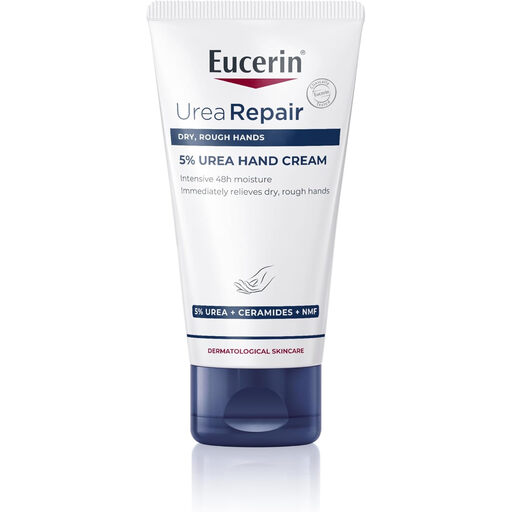
Why this product suits this profile: The compact tube is ideal for when you’re out and about. According to the product information, the hand cream contains 5% urea, ceramides and natural moisturising factors, and is designed for very dry hands and use after handwashing.
The product description states the exact urea concentration. This makes it easier to compare the formula with creams that make only general moisturising claims.
5% urea, ceramides, a 30ml tube and a focus on dry, rough skin that’s frequently exposed to stress.
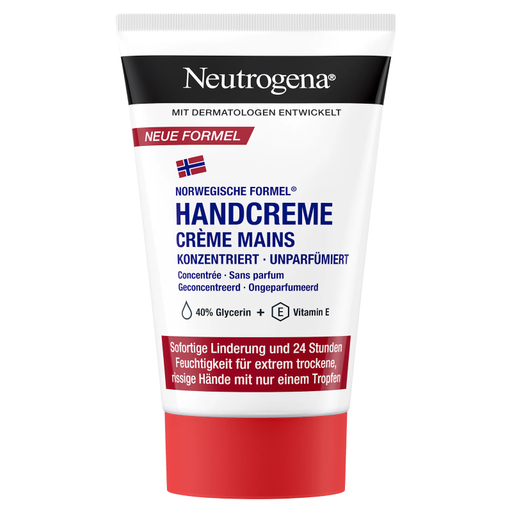
Why this product suits this profile: The product information describes the cream as fragrance-free. Its concentrated texture and 50ml size make it a good choice if you’re looking for straightforward hand care for work, home or when you’re out and about.
Choosing a product without perfume helps you avoid a common mistake when selecting hand cream for sensitive or fragrance-sensitive skin. You should still monitor how your skin responds.
Fragrance-free formula according to the product information, a compact size and a concentrated formula that only needs a small amount.
If you’re looking for an anti-ageing hand cream with Q10, the NIVEA Hand Cream Q10 Anti Age 100 ml is one option. According to the product information, it contains coenzyme Q10 and UVA/UVB filters. These filters are not a substitute for a stated sun protection factor. The formula is fragranced and contains ingredients including limonene, linalool and citronellol.
If you’re after a chamomile hand cream with a light fragrance, TAMBURINS Shell X and VECUA Honey offer different fragrance profiles. With imported products, the packaging and ingredients list may vary between batches. Always refer to the labelling on the specific product.
Embryolisse Cicalisse Hand & Nails Repair Cream is another option if you’re looking for a hand and nail cream for very dry, hard-working hands. According to the product description, it contains shea butter and glycerin, but is fragranced. So consider your skincare needs and fragrance tolerance together when choosing.
We’ve put together a complete, regularly updated list of products that meet these strict selection criteria and fully comply with the safety regulations in force in the EU.
Applying hand cream after washing your hands is practical, as water and cleansing products can repeatedly put your skin under strain. If your hands are dry, you can also apply it in the morning and evening, and top up as needed. Make sure the cream has been fully absorbed before touching surfaces.
For very dry hands, formulas with urea, glycerin, shea butter, ceramides or nourishing oils are often a good choice. Also check whether the texture is rich enough for your needs and whether it contains fragrance. If symptoms persist, you have severe redness or open sores, seek medical advice to find out what’s causing them.
Check the best-before date or the open-jar symbol showing how long the product can be used after opening. Store hand cream in a cool, dry place away from direct sunlight. If the scent, colour or texture changes, stop using the product.