
Lieferung heute & morgen

Qualitätsgarantie

Willkommens-Angebote freischalten: KOSTENLOSE Lieferung | Bis zu 80 % RABATT | Kostenlose 30-Tage-JoyPlus-Testphase
App herunterladen
A reliable hand mixer is the heart of many kitchens and an indispensable tool for baking and cooking. But the selection is vast, and marketing promises are often lofty. Many appliances quickly turn out to be a bad purchase—whether due to weak performance, impractical design, or poor durability.
As your Joybuy Product Recommendation Officer, I'm here to help you separate the wheat from the chaff. Instead of falling for marketing hype, we'll focus on the facts. In this guide, I'll show you the three most common pitfalls when buying a hand mixer and what you really need to look for to find a durable and powerful model that suits your needs.
Before we dive into the key features, let's identify the typical problems that lead to frustration in the kitchen.
To avoid a bad purchase, you should focus on verifiable technical features and design aspects. These three points are crucial for the performance and longevity of your new kitchen mixer.
Raw wattage is only half the story. What's more important is how that power is delivered. A good electric hand mixer should have a robust gearbox that provides high torque even at low speeds—which is crucial for kneading yeast dough.
Pay attention to the following features:
The quality of the included attachments is non-negotiable. This is often where premium models distinguish themselves.
A mixer for baking is often held for several minutes at a time. A well-thought-out design is therefore essential for user comfort.
Based on the criteria above, we have identified several models that represent a smart choice for different needs and budgets.
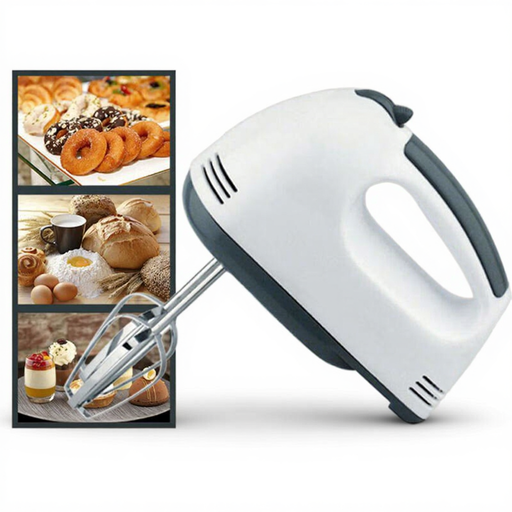
Why This Fits Their Persona: Ideal for users who need a simple, functional device for occasional baking tasks like cake batter or whipped cream without investing a large budget. It provides the essential features to get started.
Instead of advertising high wattage, this model focuses on fine-tuned control with seven speeds. This gives the user back control and avoids the 'all-or-nothing' performance of many budget devices.
Advantage: Excellent value for money. Pros: Includes whisks and dough hooks; dishwasher-safe attachments.
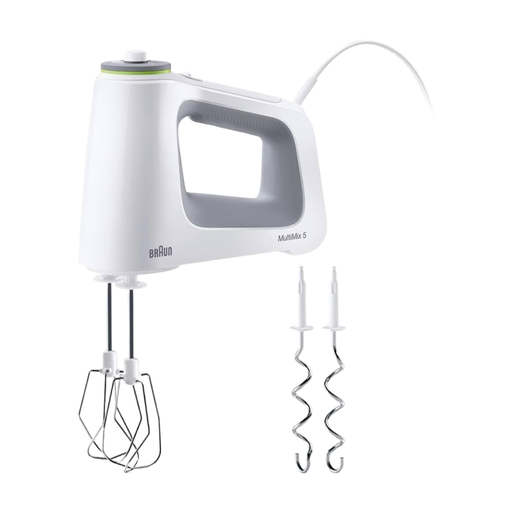
Why This Fits Their Persona: Perfect for ambitious bakers who regularly knead heavy doughs and require precise control. The high power and thoughtful ergonomics support even long and demanding baking projects.
This model avoids the ergonomics trap with its SmartMix technology, which positions the motor vertically. This shifts the weight into the bowl and reduces strain on the wrist. The 700 watts here aren't just an empty number—they deliver real torque.
Advantage: SmartMix technology for fatigue-free operation. Pros: Seamless variable speed control (VarioControl), powerful 700W motor, high-quality stainless steel attachments.
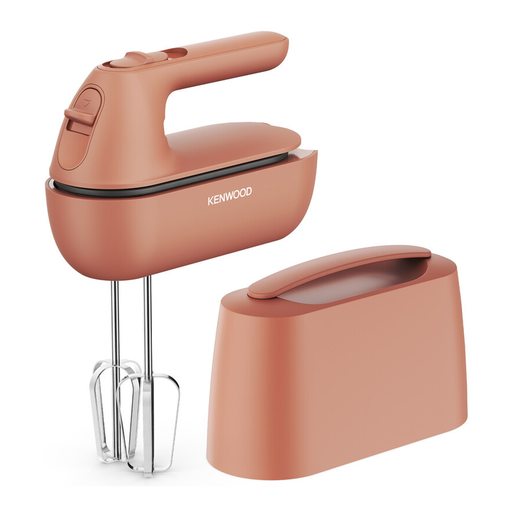
Why This Fits Their Persona: For anyone who appreciates a tidy kitchen and doesn't want to deal with misplaced attachments or tangled cords. The clever storage system ensures the appliance is always ready to go, with all its parts.
This model solves the problem of impractical handling and storage. The all-in-one storage case ensures all parts stay together. Furthermore, the SureEject button prevents accidental release of the attachments during operation—a common issue with lower-quality devices.
Advantage: Innovative all-in-one storage system. Pros: Solid 350W motor, secure SureEject release mechanism, 5 speed settings.
We have compiled a complete, up-to-date list of products that fully meet these strict selection criteria and safety regulations.
For most everyday tasks like mixing batter or whipping cream, a hand mixer with a power rating between 300 and 500 watts is generally sufficient. More important than the raw wattage is the quality of the motor and gearbox, which ensure consistent torque. For very frequent kneading of heavy bread or yeast doughs, a model with over 500 watts can be advantageous.
Yes, many modern hand mixers are equipped with sturdy stainless steel dough hooks and can handle firmer doughs. However, it's important to follow the manufacturer's instructions regarding maximum quantity and operating time to avoid overheating the motor. For very large quantities or extremely heavy doughs, a stand mixer is often the better choice.
Always unplug the mixer before cleaning. The attachments (whisks and dough hooks) can be removed using the eject button. Check if they are dishwasher-safe—this is the case for most high-quality models. The motor housing itself must never be submerged in water. Simply wipe it down with a damp cloth and then dry it.