
Lieferung heute & morgen

Qualitätsgarantie

Willkommens-Angebote freischalten: KOSTENLOSE Lieferung | Bis zu 80 % RABATT | Kostenlose 30-Tage-JoyPlus-Testphase
App herunterladen
A good hand mixer is a cornerstone of many kitchens. Whether for light cake batters, dense bread doughs, or perfectly whipped cream, the right appliance saves time and effort. However, there are a few pitfalls to watch out for when buying a hand mixer. Many models advertise high wattage or an abundance of accessories that ultimately disappoint in practice. As your Joybuy Product Recommendation Officer, I'll help you distinguish marketing promises from genuine performance features and find a device that truly fits your needs.
Before you buy a hand mixer, you should be aware of the typical problems that often only become apparent after the purchase.
To avoid a bad purchase, focus on the following three core aspects. These determine whether a handheld mixer will impress in daily use.
Raw wattage is only half the story. A high-quality motor with an efficient gearbox provides high torque. This means the device maintains its mixing speed even with tough doughs, without slowing down or overheating. For occasional baking of simple cakes, models with 300 to 400 watts are often sufficient. Those who plan to bake bread regularly should consider a model with at least 500 watts and a robust construction, specifically designed for use as a hand mixer with dough hooks.
The quality of the mixing elements is crucial for the result and longevity.
A good hand mixer feels balanced in your hand.
Instead of making a one-size-fits-all recommendation, we have selected models tailored to specific user profiles.
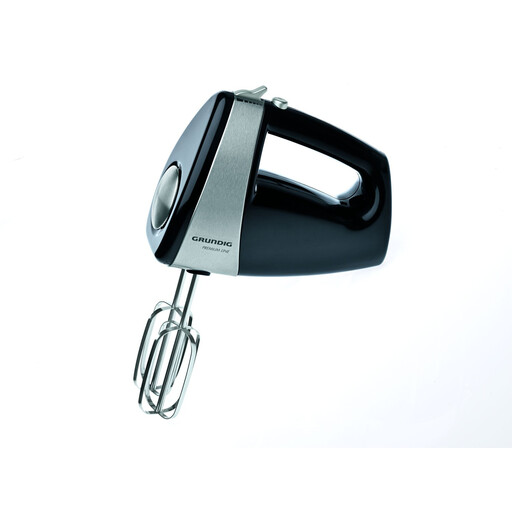
Why It's a Good Fit: Ideal for users who want a reliable brand-name device for standard tasks like cake batter, egg whites, or whipped cream. It focuses on essential functions without unnecessary extras.
This model avoids the accessory trap by focusing on high-quality stainless steel attachments for core tasks. The 300-watt motor is appropriately sized and efficiently designed for this class of device.
Five speed settings plus a turbo function for precise control. The smooth surface of the housing makes cleaning significantly easier.
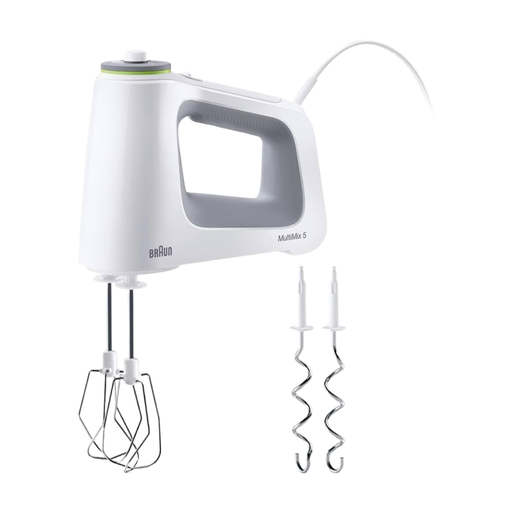
Why It's a Good Fit: For ambitious home bakers who regularly work with heavy yeast or bread doughs. The powerful motor and thoughtful ergonomics are designed for intensive use as a hand mixer for baking.
The SmartMix technology shifts the weight into the bowl, actively counteracting the ergonomics problem. The 700-watt motor delivers real, controllable power, bypassing the wattage trap with a high-quality design.
Seamless speed control (VarioControl) via a dial for maximum precision. The seamless housing (EasyClean) prevents dough residue from getting stuck.
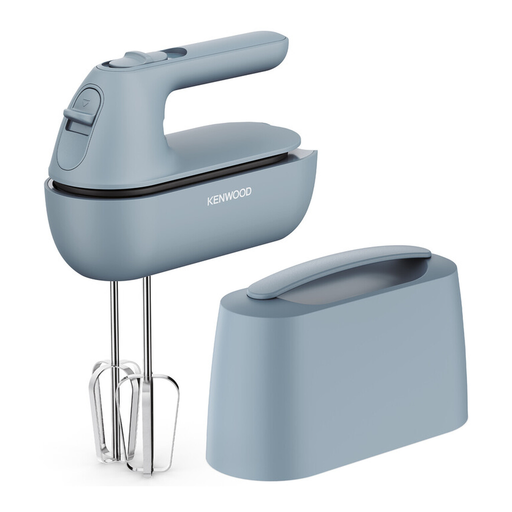
Why It's a Good Fit: Perfect for anyone who values organization and thoughtful storage. The compact design and carrying case put an end to messy drawers and loose accessories.
This model solves the problem of impractical accessories with a smart all-in-one storage solution. Everything has its place, is immediately accessible, and securely stored.
Unique storage system with a carrying case for the device, cable, and accessories. The 350-watt motor provides reliable performance for everyday tasks.
We've compiled a complete, up-to-date list of products that fully meet these strict selection criteria and German safety regulations.
1. How many watts does a good hand mixer need? Wattage alone is not the deciding factor. For simple tasks like whipping cream or mixing batter, 300-400 watts are often sufficient, provided the motor works efficiently. for regularly kneading heavy bread doughs, a model with 500 watts or more and a robust gearbox is recommended to prevent overheating.
2. Can you knead bread dough with a hand mixer? Yes, it is possible, but not every model is suitable for it. Only use the designated dough hooks. A powerful hand mixer with high torque and a sturdy housing is a prerequisite. Do not knead heavy doughs for too long at a time and follow the manufacturer's instructions on maximum processing quantity and duration to protect the motor.
3. How do you clean a hand mixer properly? Always unplug the mixer from the power outlet before cleaning. The attachments (whisks, dough hooks) can be removed with the eject button and are usually dishwasher-safe or can be washed by hand. The motor housing itself must never be submerged in water. Simply wipe it with a damp cloth. A seamless design without many crevices makes cleaning much easier.