
Lieferung heute & morgen

Qualitätsgarantie

Willkommens-Angebote freischalten: KOSTENLOSE Lieferung | Bis zu 80 % RABATT | Kostenlose 30-Tage-JoyPlus-Testphase
App herunterladen
A hand mixer is a kitchen staple in many German households, but it’s often chosen for the wrong reasons. A high wattage rating alone tells you little about how comfortable a mixer is to use for baking. What matters is how the motor, speed control, attachments, weight and ease of cleaning work together.
If you focus only on a low price or a prominent turbo function, it’s easy to overlook important details. Cream, egg whites, cake batter and yeast dough also place different demands on a mixer. The guide below will help you distinguish marketing claims from features that make a practical difference.
A 700-watt electric hand mixer isn’t automatically better for every task than a 300- or 350-watt model. The wattage mainly indicates how much electrical power the mixer draws. How well it handles a stiff dough also depends on the gearbox, beaters, speed control and recommended operating time.
For occasional whisking and mixing, a compact 300- to 350-watt hand mixer may be enough. If you regularly make heavy doughs, look for a suitable set of attachments and clear guidance from the manufacturer on how to use the mixer.
A hand mixer with 5 speed settings already gives you a useful range for everyday recipes. A controlled start is more important than having as many settings as possible. A low starting speed helps prevent splashes when mixing flour, liquids or cream. A turbo function can provide a useful short burst of extra power, but it doesn’t replace graduated speed control.
A hand mixer with dough hooks is more versatile for bread or yeast dough than one supplied with beaters only. For cream and egg whites, however, beaters are usually the better choice. Also check whether the removable parts are actually dishwasher-safe. The motor housing must not be immersed in water on any of the models mentioned.
A compact hand mixer is often enough for light mixtures such as cream, egg whites or runny cake batter. If you often knead stiff doughs, a powerful motor, sturdy dough hooks and comfortable handling matter more. The product details should clearly state whether dough hooks and beaters are included.
Look for:
A forward-facing eject mechanism can help prevent you from pressing the button accidentally while mixing. Always switch off the mixer and unplug it before changing attachments.
An ergonomic hand mixer should feel secure in your hand and shouldn’t be unnecessarily top-heavy. Weight matters particularly when you’re mixing larger quantities for several minutes. Other useful features include a stable upright position, a cord wrap or a storage solution for beaters and dough hooks.
Dishwasher-safe attachments make cleaning easier. Still, check the manufacturer’s instructions, as materials, coatings and suitable dishwasher racks can vary.
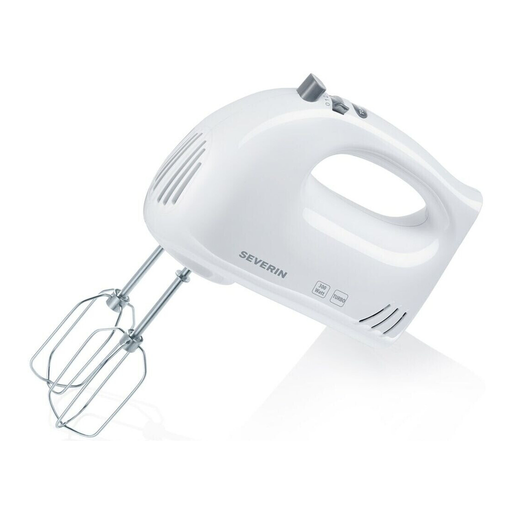
Why this product suits this profile: This model is designed for households that regularly mix and whisk, and occasionally knead, without needing a wide range of extra features.
The attachments are clearly listed: five speed settings, a turbo function, two beaters and two dough hooks. This makes it easy to check what’s included before you buy.
300-watt motor, ergonomic handle, weighs approximately 798 g and comes with stainless steel beaters.
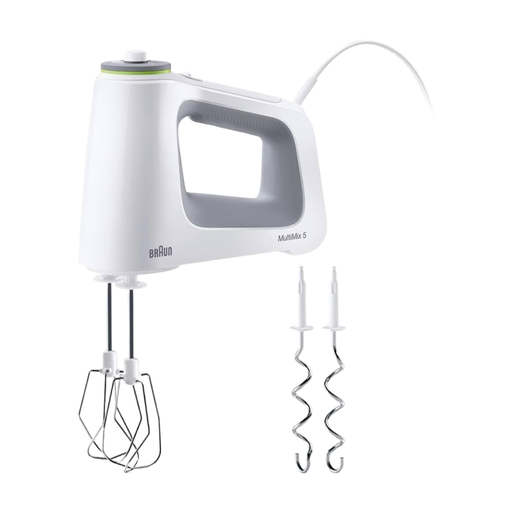
Why this product suits this profile: A good fit for those who prioritise variable speed control, balanced design and a comprehensive cleaning solution.
The mixer uses a stepless VarioControl setting operated by a thumbwheel. This means you’re less reliant on switching between a small number of fixed speeds.
700 watts, nine speed settings plus turbo, two beaters and two dough hooks; according to the product details, the removable parts are dishwasher-safe.
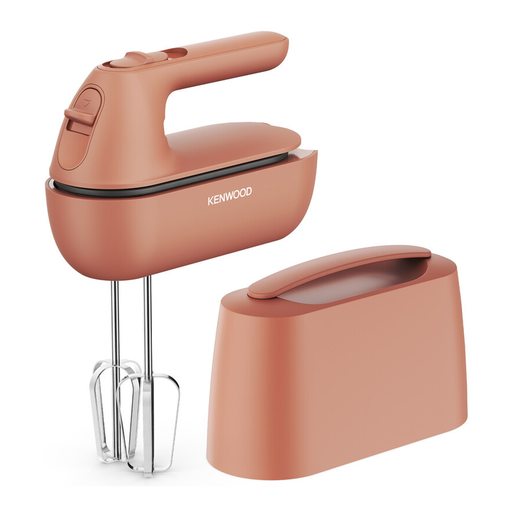
Why this product suits this profile: This model is designed for compact storage and frequent, smaller baking tasks. The attachments and cord can be stored together in a bag.
The five settings start at a low speed. There’s a dedicated place to store the beaters, dough hooks, cord and measuring spoon.
350-watt motor, 5-Speed Slider, weighs 1.03 kg and comes with dishwasher-safe mixing attachments, according to the product details.
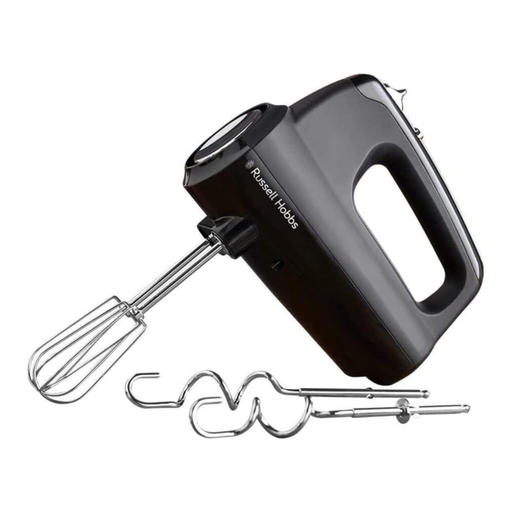
Why this product suits this profile: Five speed settings, a turbo function and attachments for mixing and kneading make this a good match for a range of baking recipes.
The product details list the power, speed settings, turbo mode and dishwasher-safe beaters and dough hooks separately.
350 watts, five speed settings, Turbo Boost, two beaters and two dough hooks.
We’ve put together a complete, regularly updated list of products that meet these strict selection criteria and fully comply with the safety regulations in force in the EU.
For cream, egg whites and light cake batters, 300 to 350 watts is enough for many households. If you regularly knead stiff doughs, a 500- to 700-watt model may be a better choice. However, always consider the wattage alongside the attachments, speed control and manufacturer’s guidance.
Five settings are usually suitable for everyday baking tasks. A low starting speed is particularly important to stop dry ingredients from flying out of the bowl. A turbo function provides extra power for short bursts, but shouldn’t be used continuously.
Its lifespan depends on how often you use it, the quantity of dough, how you clean it and whether you use it correctly. Only process the recommended quantities, let the motor cool if it gets very hot, and remove attachments only after switching off and unplugging the mixer. This helps reduce the strain of everyday use.