Occasional crêpe makers
If you mainly mix a bowl of thin batter, look for suitable beaters and a low speed that’s easy to use. A REWE crêpe recipe specifies a hand mixer, while Bosch lists the beaters and speed settings for specific models.


For thin crêpe batter, a hand mixer with beaters and an easy-to-use low speed is a good place to start; a REWE crêpe recipe specifically uses a hand mixer. When switching between two cooking surfaces, a safe place to set the mixer down, cable management and a comfortable grip matter more than extra dough hooks, which are mainly useful for other types of preparation. Mains-powered appliances covered by the relevant EU regulations must carry the CE marking. According to the European Union and the German Federal Institute for Occupational Safety and Health (BAuA), this is a manufacturer’s declaration, not an independent quality mark. Check the marking on the specific version you’re considering.
If you mainly mix a bowl of thin batter, look for suitable beaters and a low speed that’s easy to use. A REWE crêpe recipe specifies a hand mixer, while Bosch lists the beaters and speed settings for specific models.
If you switch between two surfaces while cooking, plan for a safe place to set the mixer down and keep the cable away from hot areas. Bosch’s user manual warns against letting the cable come into contact with hot parts.
If you’d like to use the same mixer for other suitable batters or recipes, compare the accessories, handling and care instructions for the exact model. Bosch and Krups, for example, list different attachments for their respective appliances.
For this kind of cooking, the main things to consider are control while mixing, switching safely between cooking surfaces, cleaning and any extra features you’ll actually use.
| Buying consideration | What to check | Who will find this most important? |
|---|---|---|
| Batter control | Check whether beaters are included and whether the low speed is easy to use. | When I’m mixing a bowl of thin crêpe batter, I want to get started in a controlled way with suitable beaters. For around 40% of consumers, this level of batter control comes first. |
| Safe workflow | Compare the grip, switch position, cable length and available space to set the mixer down. | When switching between two cooking surfaces, I need a safe place for the mixer and a cable kept away from the hot zone. For around 30% of consumers, safe handling is a priority. |
| Cleaning | Check the care instructions for the beaters and every other attachment supplied with the specific model. | If I want to get on with the next task quickly after mixing, I check how easy the beaters are to clean. For around 20% of consumers, straightforward cleaning is the main concern. |
| Other uses | Check the included accessories and stated processing capacities against the tasks you actually need attachments for. | If I want to use the mixer for other suitable batters or foods too, I’ll choose only the attachments I need for those tasks. Around 10% of consumers prioritise versatility. |
A wattage rating or a manufacturer’s stated capacity for bread dough doesn’t show how well an appliance mixes thin crêpe batter.
First, check the beaters, low speed and how the mixer feels with your bowl. Treat power and capacity figures as applying only to the specific model variant and the type of dough they refer to.
Care instructions vary by model and accessory. Bosch describes the mixing tools supplied with the MFQ22100 as dishwasher-safe; Philips says that the HR3741/00 has no dishwasher-safe parts.
Read the instructions for the specific model and check the guidance for each individual part. Don’t treat the motor housing like removable mixing tools.
Beaters, dough hooks and blending attachments are accessories for the mixer; they don’t replace baking trays or cooking plates.
Decide which attachments you need first, then check what’s included with the specific version. Extra attachments take up storage space and need to be cleaned appropriately.
The MFQP1000 and MFQ22100 hand mixers differ in several ways, including the number of speed settings and the accessories supplied.
The HM 3832 is worth considering if five speeds, a soft-touch handle, beaters and dough hooks matter to you.
The HR3741/00 comes with five speeds, a Turbo function and conical beaters.
The 3Mix GN9121 is aimed at buyers who want to use additional attachments as well as beaters and dough hooks.
The MultiMix 3 HM3235WH is an option if you’re looking for a set with beaters, dough hooks, a blending foot and a chopper.
These products are suitable for mixing crêpe batter with beaters or a whisk attachment; the sets vary in their accessories and stated features.
 No image available
The whisk attachment is useful for mixing a bowl of crêpe batter.
Normal and Turbo modes; 1.5 m cable; 500 ml chopper and 500 ml measuring jug; accessories described as dishwasher-safe.
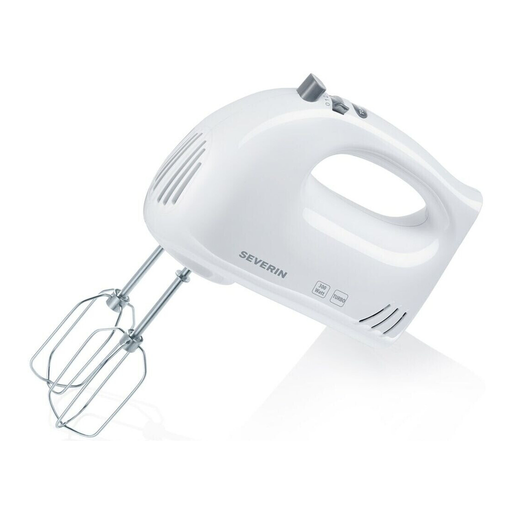 No image available
The two beaters are suitable for mixing a bowl of crêpe batter; the speed settings describe how the mixer is operated, not the mixing results.
Approx. 300 W; five speed settings; Turbo; two beaters and two dough hooks.
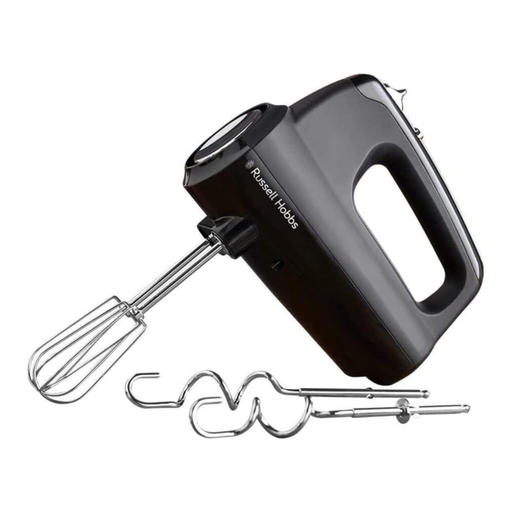 No image available
The beaters are suitable for crêpe batter; when choosing, consider which of the other attachments you’ll actually need.
Five speed settings and Turbo; beaters and dough hooks described as dishwasher-safe; eject button; upright storage position.
No. Beaters are the right place to start for mixing crêpe batter. Dough hooks are more of a selling point if you also want to make other types of dough they’re designed for.
Set the appliance down away from the hot zone and position the cable so it doesn’t touch any hot parts. The Bosch user manual for the MFQ2 range also says to unplug the appliance after use and before taking it apart or cleaning it. For other models, follow the instructions supplied with that appliance.
It depends on the care instructions for the specific model and individual parts. Bosch describes the mixing tools supplied with the MFQ22100 as dishwasher-safe; Philips says that the HR3741/00 has no dishwasher-safe parts. Don’t immerse the motor housing in water.
Your statutory rights are against the retailer; a guarantee is an additional, voluntary service provided under its own terms. If a product is faulty, you can initially request that the retailer puts it right by repairing or replacing it. The consumer advice centre points out that a repair service or manufacturer’s guarantee doesn’t replace these statutory rights.
Yes. If the appliance falls under the relevant EU regulations for electrical equipment, it must carry the required CE marking before being placed on the market. The European Union and the BAuA explain that the mark represents the manufacturer’s declaration of conformity; it isn’t an independent quality mark. Check the marking on the specific version being offered.
The German Federal Institute for Risk Assessment advises against eating uncooked batter. The BfR reports that disease-causing E. coli bacteria have been found in flour and dough.