
Lieferung heute & morgen

Qualitätsgarantie

Willkommens-Angebote freischalten: KOSTENLOSE Lieferung | Bis zu 80 % RABATT | Kostenlose 30-Tage-JoyPlus-Testphase
App herunterladen
A hand saw should be more than just sharp-looking. It needs to suit the material, the cutting task and the way you want to work. DIY enthusiasts, garden owners and outdoor users often choose a model that appears versatile at first glance, only to be disappointed later by unsuitable teeth, a weak locking mechanism or an uncomfortable handle.
A wood saw is designed for boards, battens and square timber. Metal, plastic and thin profiles, on the other hand, require different tooth geometries and often metal saws. A garden saw is primarily suitable for branches and fresh wood. If you are looking for a saw for both wood and branches, check whether its teeth genuinely support both tasks.
Many listings simply mention ‘sharp teeth’. More useful details include TPI (Teeth per Inch), tooth shape and blade material. A low tooth count per inch generally enables faster cutting in softer wood. Finer teeth support more controlled cuts in harder materials, but can become clogged with shavings more quickly when cutting thick branches.
A missing blade cover, slippery handle or unreliable lock can make work more difficult. With a folding saw, the blade must lock securely in the working position. On longer hand saws, the handle design, weight and knuckle guard affect control. Safety glasses, suitable gloves and a securely fixed workpiece are still essential, regardless of the model.
The blade length should match the size of the workpiece. A 150-mm blade is easy to handle for smaller repairs and profiles. A 50-cm hand saw offers greater reach and is suitable for larger sections of timber. For garden branches, compact pruning saws with a blade length of around 18 to 19 cm are easier to control and carry.
A large bow saw can be useful for rough woodwork, but it requires more space and the correct blade tension. For occasional household tasks, it is not automatically the most practical choice.
HCS (High Carbon Steel) is often used for wood saw blades. HSS (High-Speed Steel) is intended for applications with higher wear-resistance requirements, such as certain metal or hard-material tasks. Bi-metal blades combine the properties of different types of steel and are used in hand saws, jigsaw blades and hole saw sets.
For a garden saw, hardened teeth and tooth spacing suitable for fresh wood are also important. According to the product description, 3D teeth or a triple-ground tooth design can help with chip removal. However, they do not replace the correct cutting technique and regular cleaning.
A non-slip TPR or cork handle can make the saw more comfortable to use. With a folding saw, check the locking mechanism both when opening and folding it. A cover protects the teeth during storage and transport.
For electric alternatives such as a mini chainsaw, battery voltage, chain speed, chain tension, lubrication, weight and included accessories are also relevant. Batteries, chargers and replacement chains should be clearly listed in the offer. An electric saw is not automatically more economical for every garden task: the purchase price, charging time, maintenance oil and replacement chains all contribute to the ongoing costs.
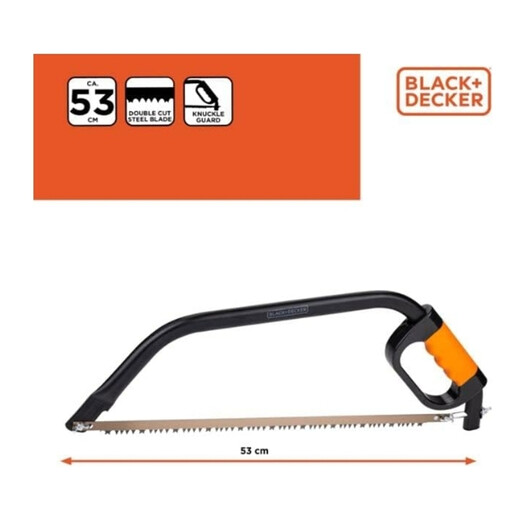
Why this product suits this profile: This manual hand saw requires neither a battery nor a power socket and is suitable for straightforward woodwork with its longer blade.
The product description specifies a 53 cm blade or frame length, a weight of 561 g and an integrated knuckle guard, rather than relying on vague performance claims.
Double-ground steel blade, soft comfort handle and operation without a battery or mains adapter.
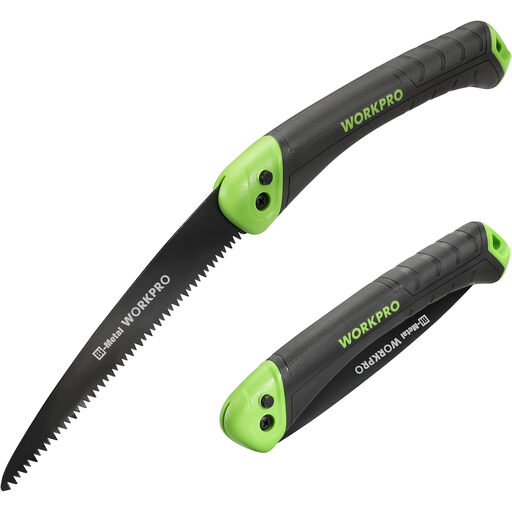
Why this product suits this profile: For garden owners and landscapers, a flexible working position, safe storage and a robust blade for wood and branches are important.
The adjustable blade angle and locking mechanism are clearly described. This makes it easier to compare the design with your preferred cutting position before buying.
Bi-metal blade, TPR handle, folded length of 230 mm and unfolded length of 410 mm.
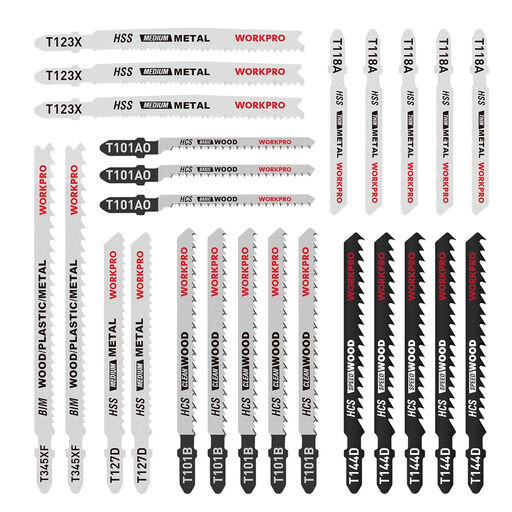
Why this product suits this profile: For jigsaw users who work with wood, plastic and metal and want a selection of tooth patterns readily available.
The set specifies material groups and applications: HCS, HSS and BIM, along with seven listed T-shank types. You should still check compatibility with your own tool.
25 blades, tooth sizes from 5 to 21 TPI and a plastic storage box for organised storage.
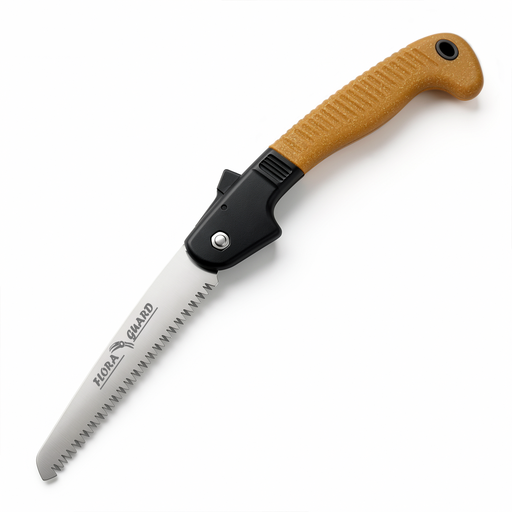
Why this product suits this profile: This compact folding saw is suitable for garden maintenance, camping, hiking and cutting smaller pieces of wood.
The product details specify a safety lock, a 7-inch blade and hardened SK5 carbon steel. After use, the blade should be cleaned and stored dry.
Folding design, cork or TPR handle and 3D teeth for outdoor woodwork and cutting tasks.
We have put together a complete, regularly updated list of products that fully meet these strict selection criteria and the safety regulations applicable in the EU.
For fresh branches, a pruning saw with coarse, hardened teeth and a secure handle is a practical choice. A folding saw can be stored compactly. The branch diameter should be compatible with the blade length and the manufacturer’s specifications. For very thick branches, an electric mini chainsaw may be suitable, provided that its safety features, chain tension and battery life match the task.
Its service life depends on the material, use, storage and care. Resin, moisture and dirt can affect cutting performance. The blade should be cleaned and dried after sawing. A thin coating of protective oil can reduce corrosion on suitable steel blades. Blunt, bent or damaged blades should not be used again.
The price depends, among other things, on the blade material, length, handle, folding mechanism and included accessories. A basic model may be sufficient for occasional woodwork. If you regularly carry out garden or renovation work, you should also budget for replacement blades, storage, suitable saw blades or a hole saw set. The purchase price is not the only important factor; what matters is whether the saw is suitable for the specific material.