
Lieferung heute & morgen

Qualitätsgarantie

Willkommens-Angebote freischalten: KOSTENLOSE Lieferung | Bis zu 80 % RABATT | Kostenlose 30-Tage-JoyPlus-Testphase
App herunterladen
Whether it’s a loose screw, a stubborn hose clamp, motorcycle maintenance or a blocked drain: hand tools are essential in many homes, workshops and vehicle garages. The range extends from compact tool sets to specialist plumbing tools. The key consideration is not the longest product description, but the right combination of intended use, dimensions, materials and safe handling.
A tool set containing lots of bits and sockets may initially seem comprehensive. However, if important sizes or compatible drives are missing, some of the contents will remain unused. Before buying, check the following:
For typical household tasks and work on smaller vehicles, a compact ratchet tool set is often sufficient. For automotive work and frequent assembly tasks, a larger socket set with several drive sizes may be the better choice.
Descriptions such as ‘robust’ or ‘professional’ do not, by themselves, tell you very much. More useful are specific material details such as chrome vanadium steel, chrome molybdenum steel or heat-treated carbon steel. However, these specifications do not automatically mean that a tool is suitable for every type of load.
You should also look for:
A tool must not be used as a lever, hammer or substitute for a specialist tool designed for that purpose.
Long water pump pliers can be useful for large fittings, but may not fit beneath a sink. A ratchet with a small swing angle makes work in confined spaces easier, while a torque wrench should only be used within its specified measuring range.
Before buying, you should therefore determine the available working space, the size of the workpiece and the required torque range.
For household screwdriving tasks, 1/4-inch ratchets and sockets are commonly used for smaller fasteners. Larger drives may be required for work on vehicles or machinery. For example, a 49-piece set may combine 1/4- and 3/8-inch components with metric and SAE sockets.
Important: A socket must sit fully on the fastener. An attachment that is too large or the wrong shape can slip and damage screw heads.
A torque wrench is useful when screws or bolts need to be tightened to a specified torque. The measuring range must match the application. A model designed for low torque values is not suitable for wheel bolts or large machine connections.
According to the product description, the MoveCrab Digital Torque Wrench has a range of 1 to 20 Nm and an accuracy of ±2 per cent clockwise. According to the manufacturer’s specifications, the 6-piece mechanical MoveCrab torque wrench set covers ranges from 5 to 220 Nm with three wrenches. Before buying, such specifications should be checked against the requirements of the vehicle or equipment manufacturer. After use, the wrench should be stored in accordance with the operating instructions, usually at a low setting.
With water pump pliers, the maximum opening width is just as important as the tooth geometry. The 305 mm WORKPRO model is described as having a maximum opening of 50 mm and a push-button adjustment. Hose clamp pliers, on the other hand, require a suitable jaw shape and sufficient freedom of movement.
For plumbing tasks, you should also check whether the tool is suitable for round, flat, hexagonal or delicate surfaces. When working on chrome-plated fittings, placing a protective layer between the pliers and the surface can help prevent scratches.
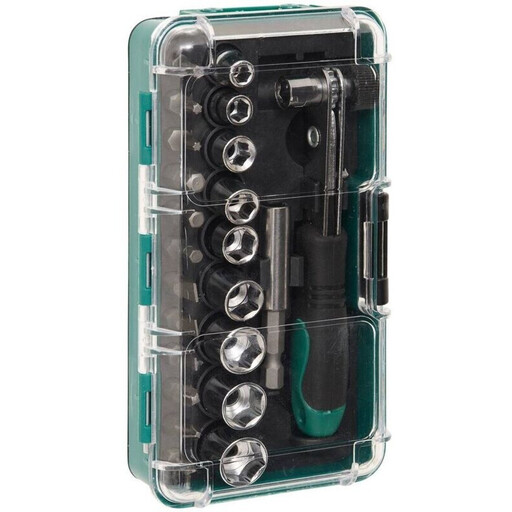
Why this product suits this profile: This compact set is designed for occasional assembly tasks, building furniture and carrying out minor household repairs.
The included 11 bits and 9 sockets, ranging from 4 to 12 mm, are clearly listed. The case keeps the small parts organised.
1/4-inch ratchet drive, magnetic adapter and a stated net weight of 0.375 kg.

Why this product suits this profile: For users who need a low torque range for bicycle, motorcycle or precision automotive work.
The range from 1 to 20 Nm is clearly defined. This makes it easier to check whether the tool matches the required specification.
According to the product description, ±2 per cent clockwise accuracy, a 72-tooth ratchet head, plus audible, visual and vibration alerts.
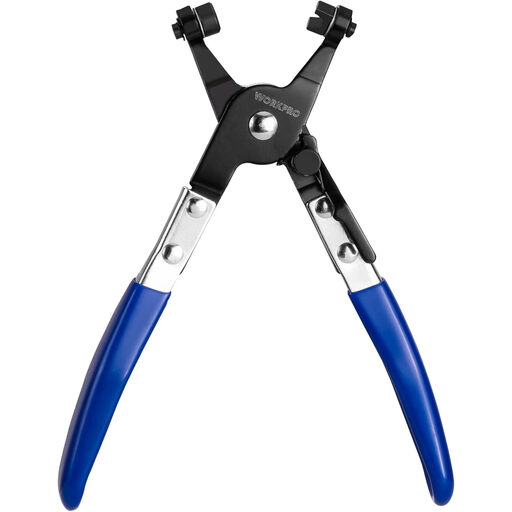
Why this product suits this profile: These hose clamp pliers are aimed at car and motorcycle owners, as well as users who regularly work on pipes and clamps.
The pivoting head helps with work in confined areas. The stated maximum opening is 5 cm.
Heat-treated carbon steel, spring mechanism, PVC-coated handle and a stated weight of 225 g.
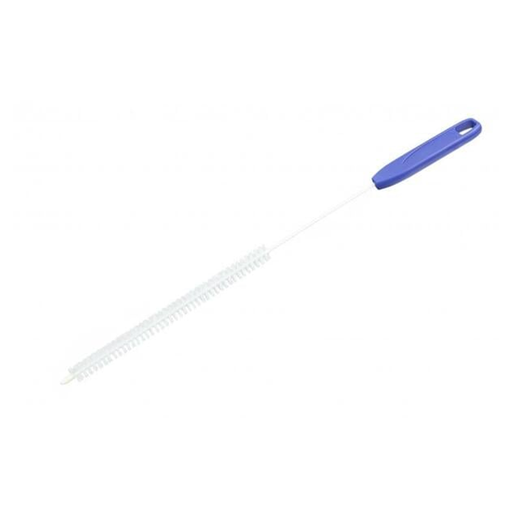
Why this product suits this profile: This drain-cleaning tool is designed for minor blockages in sinks, showers and baths.
The flexible, approximately 40 cm-long, plastic-coated spiral is designed for U-bends and hard-to-reach areas.
Plastic handle, flexible brush construction and suitable for use in the kitchen and bathroom.
We have put together a complete, regularly updated list of products that fully meet these strict selection criteria and the safety regulations applicable in the EU.
Before each use, check the tool for cracks, loose parts, damaged handles or worn teeth. When working on vehicles, suitable supports and securing equipment are essential. Metal hand tools must not be used on live electrical systems.
For a longer service life:
A plunger works by creating a seal and changing the pressure. With delicate or already damaged pipes, work should be carried out carefully and in a controlled manner. Chemical drain cleaners must not be combined carelessly with mechanical tools.
For many households, a screwdriver set, combination pliers, water pump pliers, a tape measure, a hammer and a compact tool set are useful. If you maintain vehicles, you should add a socket set, extensions and, depending on the maintenance requirements, a suitable torque wrench.
Service life depends on the material, load, care and storage conditions. Tools used occasionally can remain serviceable for a long time when stored in a dry place. Ratchet mechanisms, teeth and handles should be checked regularly. If there is visible wear, replacing the tool is safer than attempting an improvised repair.
A plunger is particularly suitable for blockages that can be cleared by pressure. A flexible drain-cleaning tool can mechanically catch hair and deposits in traps or U-bends. For recurring, deep-seated or larger blockages, the cause should be professionally assessed.