
Lieferung heute & morgen

Qualitätsgarantie

Willkommens-Angebote freischalten: KOSTENLOSE Lieferung | Bis zu 80 % RABATT | Kostenlose 30-Tage-JoyPlus-Testphase
App herunterladen
Dry, rough hands are often caused by frequent hand washing, hand sanitiser, cold weather or dry indoor air. The right hand cream can complement your daily hand-care routine. However, hand creams and hand lotions can differ considerably in texture, fragrance, ingredients, pack size and protective properties.
It is therefore worth taking a close look at the product details before you buy. If you are guided only by terms such as “intensive”, “luxurious” or “anti-ageing”, you may end up paying for attractive presentation even though the formula is not suited to your skin type or daily routine.
Perfumed hand care can make applying cream more enjoyable, but it is not automatically suitable for sensitive skin. Ingredient lists may include Parfum and fragrance allergens that must be declared, such as Limonene, Linalool, Citronellol or Coumarin. If you may react to fragrance, look specifically for a fragrance-free hand cream.
A fast-absorbing hand cream usually leaves your skin feeling dry to the touch, but its actual nourishing performance depends on its ingredients. Humectants such as Glycerin, Urea or Sodium Hyaluronate help bind water. Emollient ingredients such as oils, waxes or certain lipids can also help leave the skin feeling softer and smoother.
A hand cream with UV protection may contain UV filters, but it is not necessarily a fully fledged sun-protection product for spending longer periods outdoors. Claims such as SPF 30 should always be considered alongside the directions for use and product labelling. In strong sunlight, a separately designated sun-protection product is the more reliable choice.
For hands that are only occasionally dry, a lightweight hand lotion may be sufficient. For rough or heavily exposed hands, an intensive hand cream containing Glycerin, Urea, Panthenol, oils or occlusive ingredients is often more suitable. People with sensitive skin should read the full INCI list and initially test new products on a small area of skin.
If symptoms persist or you experience cracks, redness or itching, cosmetic hand care is not a substitute for medical advice.
The order of the INCI list provides a useful indication of which ingredients are present in larger quantities. Glycerin, for example, often appears near the top when a formula is designed to bind moisture. Urea is used in many products for dry skin, but it may sting on irritated or damaged skin.
When choosing anti-ageing products, shoppers should distinguish between visible cosmetic smoothing and medical claims. Wording such as “reduces the appearance of fine lines” describes a cosmetic product benefit, but it is not a guarantee of a particular result.
A 300-ml pump bottle is suitable for the bathroom or workplace. A 45-, 50- or 75-ml tube, on the other hand, is better suited to a handbag or luggage. The amount needed is also relevant: concentrated formulas often require only a small quantity per application.
Also pay attention to:
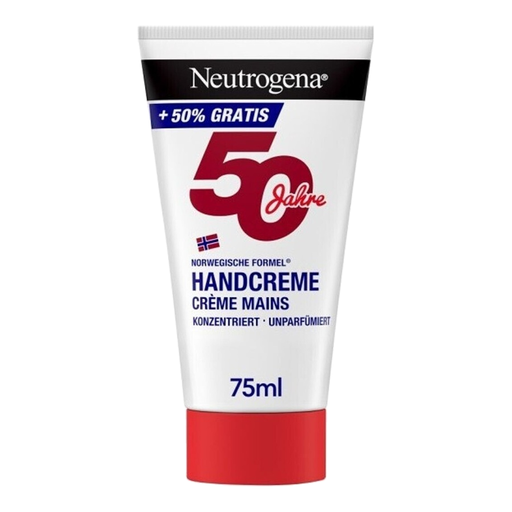
Why this product suits this profile: The 75-ml tube is convenient and, according to the product details, fragrance-free. The concentrated formula is designed to be used in small amounts, making it suitable for daily care on the go.
The product details highlight its fragrance-free positioning and economical dosage. The INCI list on the packaging supplied with the product remains the authoritative source.
75 ml, fragrance-free according to the product description, with Glycerin listed as an ingredient.
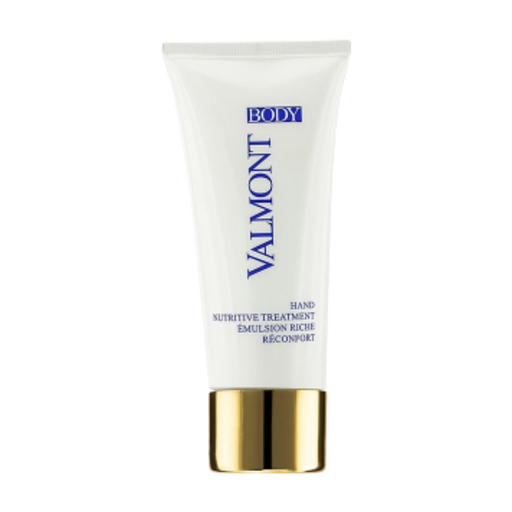
Why this product suits this profile: This 100-ml hand treatment is aimed at shoppers who prefer a richer texture and a fragranced, premium hand-care product.
The product description states that it has a non-greasy texture. At the same time, the INCI list includes Parfum and several fragrance allergens that must be declared – an important point to check if you have sensitive skin.
100 ml, with Glycerin, Urea and Squalane in the stated formulation; a patch test is recommended.
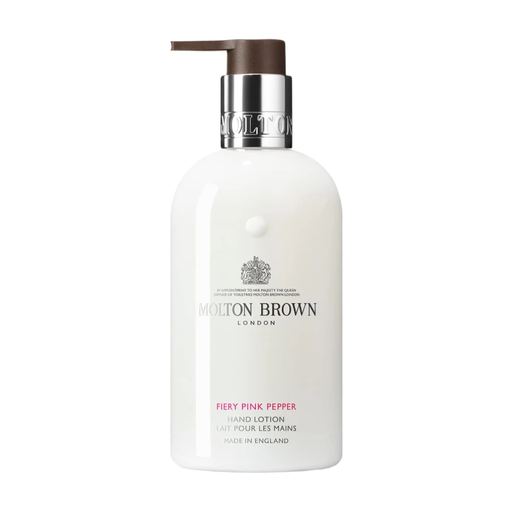
Why this product suits this profile: The 300-ml pump bottle is designed for frequent use in the bathroom or workplace. The stated fragrance profile combines pink pepper, ginger, patchouli and cedarwood.
The product description states that it absorbs quickly without leaving a greasy residue. However, given its pronounced fragrance profile, this lotion is not the obvious choice for people who prefer to avoid Parfum.
300 ml, practical pump packaging, and product details stating that it is vegan and cruelty-free.
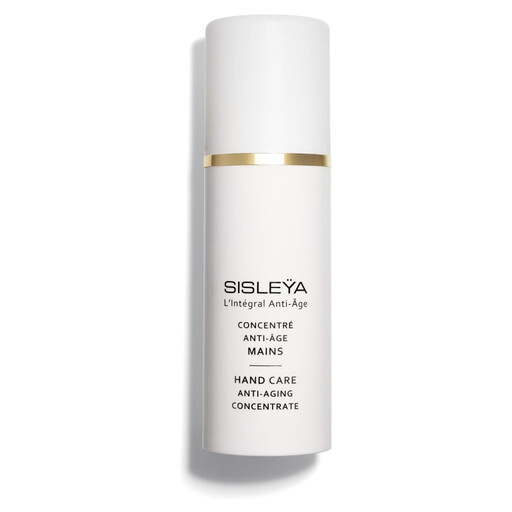
Why this product suits this profile: The product details state an SPF 30 and a care focus aimed at visible signs of skin ageing. The 75-ml format is suitable for daily use.
The stated SPF 30 is clearer than a vague marketing claim about “protection”. Nevertheless, a separate sun-protection product should be used for longer exposure to sunlight.
75 ml and SPF 30 according to the product description; the formula contains, among other ingredients, plant extracts and a yeast-soy protein complex.
We have put together a complete, regularly updated list of products that fully meet these strict selection criteria and the safety regulations applicable in the EU.
For very dry hands, richer formulas containing Glycerin, Urea, oils or protective lipids may be suitable. A hand lotion with a lightweight texture may feel more comfortable during the day, while an intensive hand cream can be used in the evening. If you have open cracks or persistent irritation, seek medical advice.
There is no need to follow a fixed schedule. It is a good idea to apply hand cream after washing your hands, after contact with cleaning products and whenever your skin feels dry or tight. In everyday life, applying small amounts frequently is usually easier than applying a large amount that leaves an uncomfortable film.
The expiry date and the open-jar symbol on the packaging are decisive. This usually indicates the product’s usable period after opening in months. Check the smell, colour and consistency regularly. If you notice any changes or irritation, stop using the product.