
Lieferung heute & morgen

Qualitätsgarantie

Willkommens-Angebote freischalten: KOSTENLOSE Lieferung | Bis zu 80 % RABATT | Kostenlose 30-Tage-JoyPlus-Testphase
App herunterladen
The selection of hygiene cleaners is vast, and manufacturers' promises are often even vaster. But not every product that promises hygienic cleanliness is suitable for every purpose. A bad buy isn't just a waste of money; in the worst-case scenario, it can damage surfaces or fail to deliver the desired results. As your Joybuy Product Recommendation Officer, I'm here to help you understand the key criteria for making an informed choice.
Before we dive into key product features, let's shed some light on the typical marketing claims that often lead to disappointment.
To find the right hygiene cleaner, you should focus on two core parameters: the active ingredient base and the application format. These determine for which purpose a product is ideally suited.
The active ingredient is the core of any hygiene cleaner and defines its intended use.
The format of the cleaner determines convenience and efficiency during application.
Instead of making a one-size-fits-all recommendation, we have selected products for specific profiles and needs.
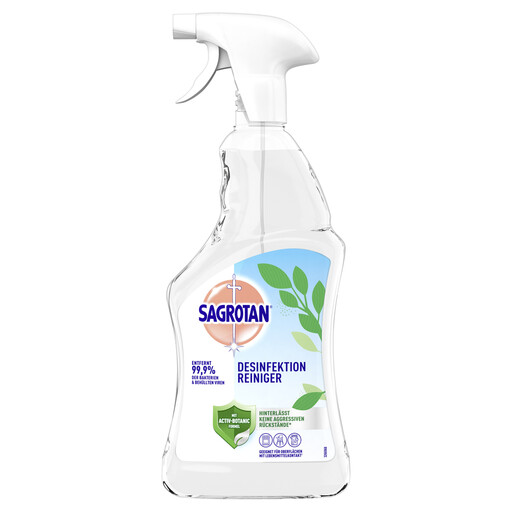
Why this product is a great fit: Ideal for households with children where kitchen surfaces, high chairs, and cutting boards need to be hygienically clean. The formula is designed for use on food-contact surfaces (rinse after use).
This product avoids the "all-in-one" misconception by clearly specialising in sensitive areas like the kitchen and stating a transparent active ingredient base (lactic acid).
According to the manufacturer, the cleaner removes 99.9% of bacteria. Its active ingredient base is gentle on materials for its intended purpose.
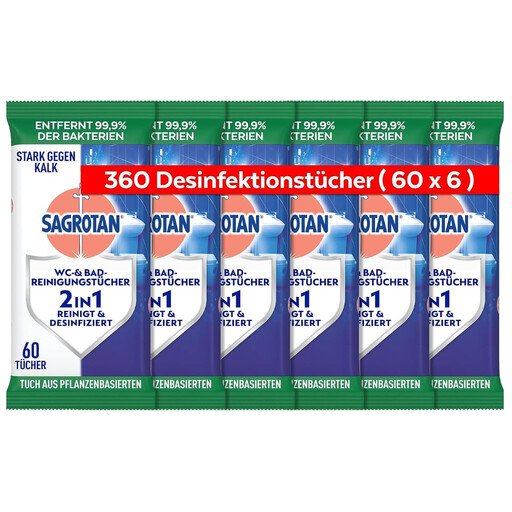
Why this product is a great fit: Perfect for the quick and easy cleaning of bathroom and toilet surfaces. The wipes are ready to use instantly and are ideal for ensuring hygiene in between cleanings, without needing spray bottles and cloths.
These wipes solve the problem of using the wrong application format. Instead of a cumbersome liquid cleaner for a small task, they offer a perfectly suited, efficient solution.
The moist cleaning technology enables effective dirt absorption. The packaging is resealable to prevent the wipes from drying out.
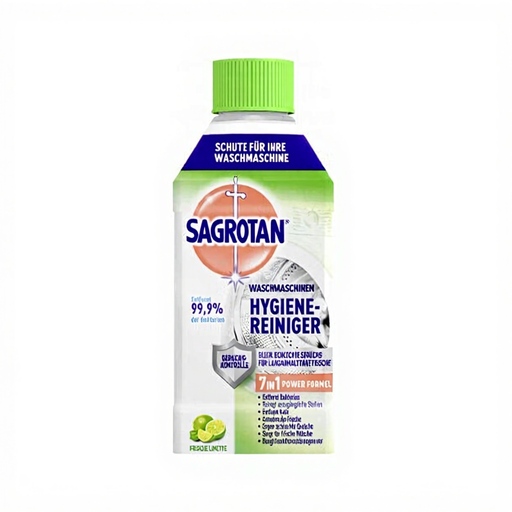
Why this product is a great fit: Specially designed to rid the inside of the washing machine of bacteria, dirt, and deposits that can build up from low-temperature washes and lead to unpleasant odours.
This is a clear specialty product, not a misleading all-purpose cleaner. It solves a specific problem that general cleaners cannot address and helps ensure the appliance's longevity.
Using it in an empty wash cycle at a minimum of 60°C cleans the drum, pipes, and seals. The formula includes L(+)-lactic acid and citric acid, among other ingredients.
We have compiled a complete, up-to-date list of products that fully meet these strict selection criteria and German safety regulations.
1. How often should you use a washing machine cleaner? The frequency of use depends on how often you use the machine and the hardness of your water. A common recommendation is to use it every one to three months. More regular cleaning may be beneficial, especially if you frequently wash clothes at low temperatures (below 60°C), to prevent the build-up of biofilms and odours.
2. Are chlorine-based hygiene cleaners safe for households with pets? Caution is advised when using chlorine-based cleaners in households with animals. Ensure good ventilation during and after application. The cleaned surfaces should be thoroughly rinsed with water and be completely dry before pets are allowed back into the area. Always follow the safety instructions on the product label.
3. What is the difference between a hygiene cleaner and a regular all-purpose cleaner? An all-purpose cleaner is primarily for removing visible dirt, dust, and grease. A hygiene cleaner, or a product declared as a disinfectant, also contains biocidal agents designed to reduce a high percentage of microorganisms such as bacteria, fungi, or viruses. The choice depends on whether disinfection is required in addition to cleaning.