Detail photographers
If you want to show imprints, inclusions or cut textures close up, check the lens’s actual magnification. The specifications for lenses from Canon Germany, Sony Germany and Nikon Germany each apply to specific models.


A standard zoom may be enough for whole bars of soap, but for small imprints and fine textures, the actual magnification of the specific lens is what matters. Under artificial light, a stable setup and carefully controlled white balance can help. A macro lens or focus stacking is particularly worth considering if you regularly take close-up detail shots. Canon Germany lists a maximum magnification of 0.25x for the RF-S 18–45 mm; Sony’s and Nikon’s macro specifications apply to their respective lenses.
If you want to show imprints, inclusions or cut textures close up, check the lens’s actual magnification. The specifications for lenses from Canon Germany, Sony Germany and Nikon Germany each apply to specific models.
For consistent soap photography, it’s important to use similar framing and carefully controlled white balance. Nikon Germany explains how white balance affects colour reproduction, while Sony Germany describes the banding and discolouration that can occur under flickering light.
If you’re starting out by photographing whole bars of soap, compare standard zooms and check exactly what’s included in the kit. Adding a macro lens later is a separate equipment decision; the specifications from Canon Germany and Nikon Germany apply to the models and kits mentioned.
First decide whether you’ll mainly photograph whole bars of soap or small surface details. Then consider how to keep colours consistent under your lighting and repeat the same setup.
| Buying priority | What should you look for? | Who is it most relevant to? |
|---|---|---|
| Capture fine details | Check the lens model, mount and actual maximum magnification. | If I want to show small imprints or inclusions close up, I compare the magnification of the specific lens; around 36 % of consumers put detail size first. |
| Keep colours consistent | Check white balance and RAW shooting on the camera model in question; keep the lighting consistent between shots. | If I want my different soap varieties to look recognisable under artificial light, I look for consistent lighting conditions; around 29 % of consumers prioritise colour reproduction. |
| Kit contents | Check the full kit name, the lens included and any accessories. | If I want to start by photographing whole bars with a standard kit, I need to know exactly what’s included; around 21 % of consumers put the contents first. |
| Repeat your shots | Check that you can create a stable setup and, for close-ups with depth, that focus stacking is available and compatible with your lens. | If I want to photograph lots of bars of soap in a similar way, a repeatable setup matters to me; around 14 % of consumers prioritise a consistent workflow. |
For small subjects, magnification depends on the lens you use. A camera body or a high pixel count alone won’t tell you how large an imprint will appear on the sensor.
Compare the actual maximum magnification of the lens included with the detail size you want to capture.
Flickering light sources can cause banding or discolouration. Different colour temperatures can also affect how colours look.
Check colours and look for banding under the lighting you plan to use before taking a whole series of shots. If you see banding, investigate the light source and shooting conditions.
Nikon lists an actual maximum magnification of 1:1.5 for the Z DX MC 35 mm f/1.7, as well as a 1:1 full-frame equivalent. These are different specifications.
When comparing lenses, note the actual maximum magnification and what each figure refers to.
Nikon states that a charger is not included with the Z50II kit with 16–50 mm lens. This applies to this specific kit and shouldn’t be assumed to apply to other versions.
Check the full kit name and accessories list for the version you’ve chosen, and whether you already have a compatible charger.
The EOS R50 with an RF-S standard zoom is an option for full product shots; a compatible RF macro lens is a separate addition.
The Z50II standard kit is a good starting point for general soap shots; the Z DX MC 35 mm f/1.7 is a separate option for closer details.
The ILCE-6400 is an APS-C E-mount camera body with RAW capability; the separate SEL30M35 is an option for close-up shots.
The OM-5 Mark II is worth considering if you’re looking at in-camera focus stacking for repeatable close-ups with depth; the M.Zuiko ED 60 mm F2.8 Macro is a separate lens option.
Joybuy products related to camera equipment.
 No image available
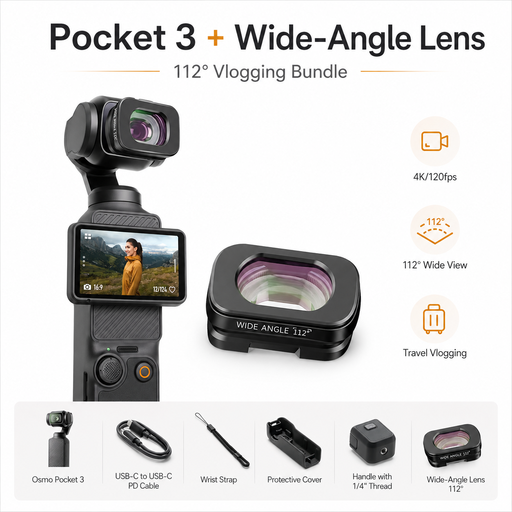
The product title describes this model as a gimbal camera; check that this type of camera suits your planned setup for soap photography.
Listed in the title: 1-inch CMOS sensor, 4K/120fps, 3-axis gimbal and ULANZI F35 112° wide-angle lens.
 No image available
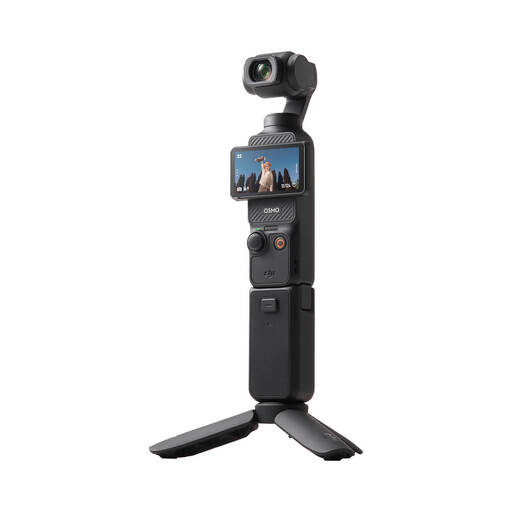
The product title describes this model as a gimbal camera; check that this type of camera suits your planned setup for soap photography.
Listed in the title: 4K/120fps and 1-inch sensor.
A standard zoom may be enough for whole bars of soap, but if you want small imprints to fill the frame, check the actual magnification. Canon Germany lists maximum magnification of 0.25x for the RF-S 18–45 mm, while Sony Germany lists maximum magnification of 1x for the separate SEL30M35.
Use a stable camera setup for close-ups and keep the lighting as consistent as possible between shots. Check the white balance: Nikon Germany explains how it affects colour reproduction. If you see banding, check the light source and shooting conditions; Sony Germany describes banding and discolouration as possible effects of flickering light sources.
When changing lenses, take care to prevent dust and dirt from reaching the sensor. Canon Germany highlights this risk; you should also follow the care instructions for your specific camera model.
For a consumer purchase, statutory legal rights against the seller are separate from a voluntary manufacturer’s guarantee. The Verbraucherzentrale generally cites a two-year seller liability for ensuring goods are free from defects at the point of delivery. For contracts entered into from 31 July 2026, it also describes a possible one-off extension of 12 months if you opt for a repair when a fault occurs; this doesn’t provide a blanket assessment of business purchases.