
Lieferung heute & morgen

Qualitätsgarantie

Willkommens-Angebote freischalten: KOSTENLOSE Lieferung | Bis zu 80 % RABATT | Kostenlose 30-Tage-JoyPlus-Testphase
App herunterladen
For mothers who need flexibility in their daily lives, a hands-free breast pump is an invaluable tool. It allows you to express breast milk while keeping your hands free for other tasks—whether you're working from home, doing chores, or on the go. However, the market offers an overwhelming variety of models, and not all of them deliver on their promises. Many products are loaded with superfluous features or have fundamental flaws that only become apparent with use.
This guide will help you identify the crucial features and avoid common purchasing pitfalls. We'll show you which objective criteria matter so you can make an informed decision and choose a reliable, practical device.
Before you make a decision, you should be aware of the most common problems that can occur with many models available on the market.
To avoid the problems mentioned above, you should focus on a few crucial technical features when making your selection. These form the basis for efficient, comfortable, and hygienic use.
The fit of the breast shield (flange) is the most critical factor for successful pumping. A correctly sized shield surrounds the nipple without rubbing or pinching. Look for models that include multiple breast shield sizes in the box or offer them as accessories. This allows you to select the right size for you. The material should be made of food-grade, BPA-free silicone to ensure safety for you and your baby.
A good wireless electric breast pump mimics a baby's natural nursing pattern. It should offer at least two modes:
Additionally, multiple adjustable suction levels for each mode are important so you can tailor the intensity to your personal comfort. A quiet breast pump with an operating noise level below 50 decibels (dB) allows for discreet pumping, even when others are in the room.
For a true on-the-go breast pump, battery life and weight are crucial. An integrated battery that can be charged via USB-C offers flexibility. Check the manufacturer's stated usage time per charge. A low weight for the individual pump units (ideally under 300 grams) ensures comfort. A double breast pump, which allows you to pump both breasts simultaneously, saves valuable time. Some models also offer app-controlled breast pump functionality, which can simplify operation and track pumping sessions.
Based on the criteria above, we have identified several models that are well-suited for different needs.
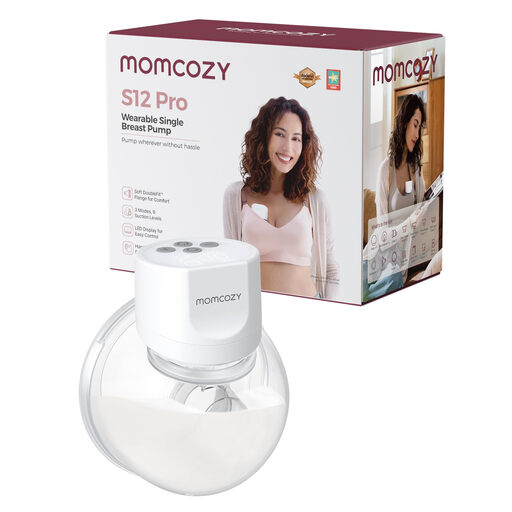
Why this model is a good fit: Ideal for mothers who want to try a hands-free pump for the first time or only need to pump occasionally. The single set offers full functionality at a more accessible price point.
The set includes multiple flange inserts to directly address the poor-fit pitfall. The design is optimised for quiet operation and easy cleaning.
Offers 3 modes and 9 suction levels for customised comfort. The battery is charged via USB-C and supports multiple pumping sessions.
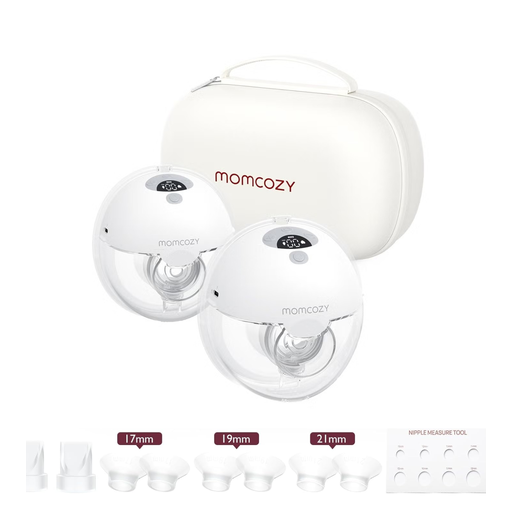
Why this model is a good fit: This double pump set is designed for mothers who need maximum efficiency and discretion. Its low weight and compact shape allow it to be worn inside a bra, making it ideal for the workplace or while travelling.
The double-sealed flange design minimises the risk of leaks. Its micro-vibration technology and low weight of 225g per unit counteract the pitfall of a bulky, noisy device.
Four different flange sizes (17/19/21/24mm) are included. According to the manufacturer, the technology mimics a baby's nursing pattern for greater comfort.
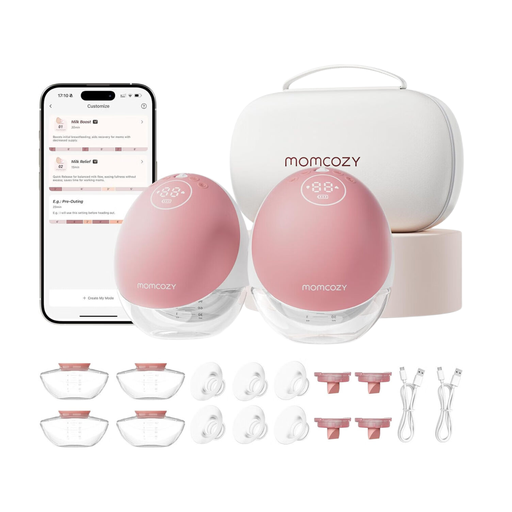
Why this model is a good fit: For mothers who pump frequently and value maximum control and comfort. The app control allows for precise adjustment and saving of settings directly from a smartphone.
The app control and 15 suction levels offer a high degree of personalisation, avoiding the pitfall of an unsuitable suction strength. The third-generation motor is designed for quiet efficiency.
Features app control for personalised settings. The package includes multiple flange sizes (17/19/21/24mm) and a practical storage case.
We have compiled a complete, up-to-date list of products that fully meet these strict selection criteria and all relevant safety standards.
How often do parts of a hands-free breast pump need to be replaced? Silicone parts such as valves, diaphragms, and breast shields are subject to normal wear and tear. Most manufacturers recommend replacing these parts every 1 to 3 months, depending on the frequency of use, to ensure optimal suction performance and hygiene. Regularly inspect the parts for any tears or warping.
Can you use a wearable breast pump while lying down? No, most manufacturers do not recommend using the pump while lying down. To prevent milk from leaking and backflow into the motor, you should pump in an upright or slightly reclined sitting position.
How do you clean a wireless breast pump correctly? After each use, disassemble all parts that came into contact with breast milk. First, rinse them with cold water, then clean them thoroughly with warm, soapy water. The motor unit must not be submerged in water and should only be wiped with a damp cloth. Always follow the manufacturer's specific cleaning instructions, especially regarding sterilisation.