
Lieferung heute & morgen

Qualitätsgarantie

Willkommens-Angebote freischalten: KOSTENLOSE Lieferung | Bis zu 80 % RABATT | Kostenlose 30-Tage-JoyPlus-Testphase
App herunterladen
A camera tripod should keep your shots steady, hold your framing and be easy to carry. In practice, choosing the wrong tripod is often less about the price and more about a poor combination of load capacity, design and accessories. A smartphone tripod may be all you need for livestreams, while a DSLR with a telephoto lens calls for a much sturdier system.
Before you buy, it’s worth checking the technical specifications rather than relying on general marketing claims. The criteria below will help you assess camera tripods for photography, video, travel and content creation.
The maximum load usually refers to all the equipment mounted on the tripod: camera, lens, adapter, microphone and, where applicable, LED light. A camera weighing 1.5 kg on its own can put considerably more strain on the tripod when you add a long lens and accessories.
For a safe choice, your actual setup should weigh less than the stated maximum load. Panning during video recording or extending the tripod legs fully also puts extra strain on the head and legs. So the load capacity isn’t a figure you should aim to use in full.
A lightweight camera tripod is easier to take on trips, but is more susceptible to wind and uneven ground. A mini tripod is handy for tabletop shots, but it won’t replace a height-adjustable tripod for shooting at eye level.
A carbon tripod isn’t necessarily the right choice for every camera, either. Carbon can reduce weight, while aluminium models often weigh more and have different stability characteristics. What matters is the specific size, weight and stated load capacity.
A 1/4-inch thread is common on many cameras, smartphone holders and action cameras. Even so, some models need additional adapters or a specific quick-release plate. Before buying, check the thread, mount, maximum smartphone width and camera weight.
A tripod with Bluetooth remote control also needs a compatible smartphone and a battery in the shutter remote. With magnetic mounts, make sure they’re explicitly supported for your camera or smartphone.
Start by checking the weight of your complete setup. The centre of gravity of a DSLR or mirrorless system camera with a long lens creates greater leverage than a small smartphone does. The tripod head also matters for video recording: a video tripod with a fluid head allows controlled panning and tilting, while a ball head is primarily designed for quick positioning in photography.
According to the product specifications, the SIRUI SQ75+VHS10 carbon video tripod supports up to 10 kg and features a fluid head with a 7-step counterbalance adjustment and four-step damping for panning and tilting. Before use, make sure all the leg locks are fully tightened. Do not exceed the stated 10 kg load.
More leg sections make a tripod easier to pack, but mean there are more locks to deal with. Check the following:
A travel tripod suitable for use with a camera should be compact, but also match your height and the angle you plan to shoot from.
Ball heads or three-way heads are often enough for photography. For video recording, look for a suitable fluid head. For vlogging and selfies, a selfie stick with tripod can be useful if you want an integrated smartphone holder and remote control.
With a magnetic tripod or camera suction mount, the contact surface must be clean, smooth and non-porous. When filming from a vehicle, follow the manufacturer’s speed limits and usage instructions. An additional safety tether can reduce the risk of the mount falling, but it doesn’t replace correct installation.
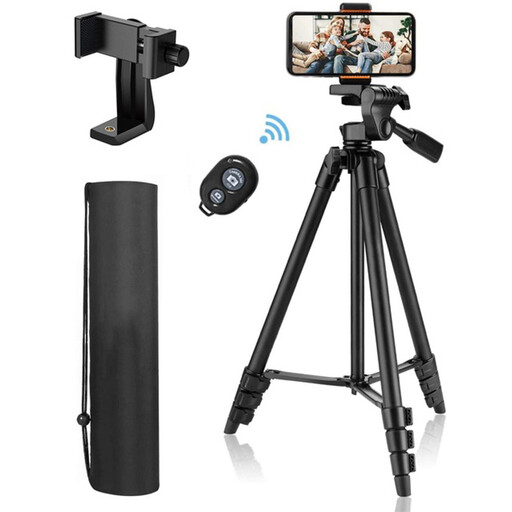
Why this product suits this user: This model is designed for smartphone photography, video calls, livestreams and lightweight cameras. It has a working height of 44 to 106 cm, weighs 550 g and folds down for travel.
The specifications state a maximum load of up to 2 kg and include a smartphone holder. This makes it easier to check whether it’s suitable for your device before you buy.
Three-way head, 1/4-inch thread, load capacity of up to 2 kg and Bluetooth remote control.
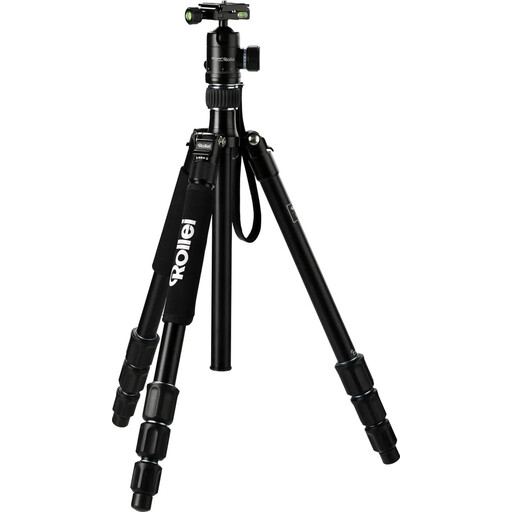
Why this product suits this user: This DSLR tripod is rated for camera equipment weighing up to 8 kg and extends to a maximum height of 159 cm. Its design also supports low-angle shots and conversion to a monopod.
The load capacity, leg sections and height range are all clearly specified. This makes it easier to check whether your camera and lens are suitable for the intended use.
Maximum load capacity of 8 kg, 159 cm working height, ARCA-SWISS compatibility and reversible centre column.
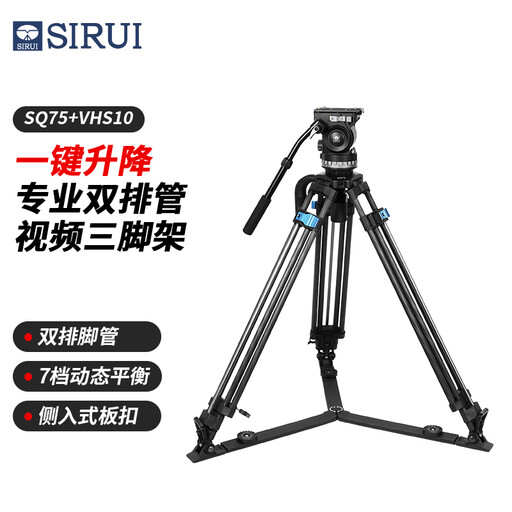
Why this product suits this user: This system is designed for videographers who need controlled camera movements and a higher load capacity. It has a stated height of 182 cm and a maximum load of 10 kg.
The fluid head is specified as having counterbalance and damping settings. This makes it easier to understand what the head offers than with a standard photography tripod.
Carbon construction, fluid head, 182 cm height and stated load capacity of 10 kg.
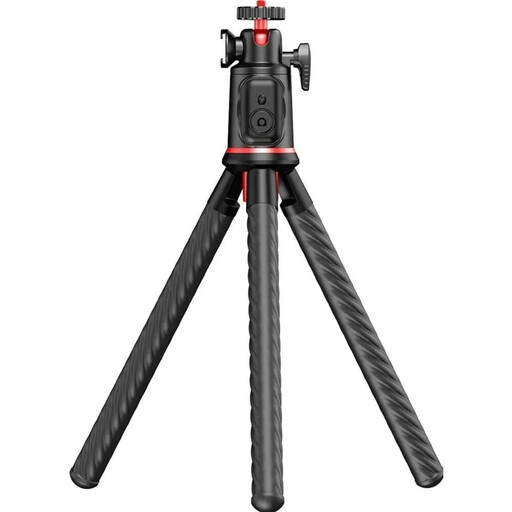
Why this product suits this user: Its flexible legs can stand on flat surfaces or wrap around suitable structures. Weighing 369 g, it has a 1/4-inch thread, selfie stick function and Bluetooth remote control, making it a good fit for vlogging and mobile filming.
The maximum load of 2 kg and the intended use of the flexible legs are clearly stated. This helps prevent a flexible tripod from being mistaken for a model suitable for a heavy camera setup.
369 g weight, height of 25 to 46 cm, 360-degree ball head, cold shoe mount and Bluetooth 5.4.
We’ve put together a complete, regularly updated list of products that fully meet these strict selection criteria and the safety regulations in force in the EU.
Whatever model you choose, before each use:
An action camera tripod or suitable mount may be enough for action camera footage. However, when mounting one on a vehicle, use only the surfaces and under the conditions specified by the manufacturer.
A smartphone tripod with a suitable clamp, 1/4-inch connection and enough width is usually all you need. A Bluetooth remote control is useful for selfies, group photos and livestreams. Check the maximum clamp width and whether your smartphone will fit with its case on.
For shots at eye level, choose a model with a working height that’s roughly right for your height. For tabletop shots, macro photography or low-angle vlogging, a mini tripod or flexible tripod will do. The key thing is the angle you plan to shoot from, not just the maximum height.
Its lifespan depends on the materials, how it’s transported, exposure to moisture and how regularly it’s checked. Inspect locks, threads and quick-release plates for play, cracks and loose connections. After using the tripod outdoors, clean it while dry and store it only when all its parts are completely dry.