
Lieferung heute & morgen

Qualitätsgarantie

Willkommens-Angebote freischalten: KOSTENLOSE Lieferung | Bis zu 80 % RABATT | Kostenlose 30-Tage-JoyPlus-Testphase
App herunterladen
Choosing a suitable floor cleaner depends on several objective factors, including your flooring type, the size of the area to be cleaned, and specific needs like pet hair removal. A systematic analysis of the available device types—from manual systems and electric vacuum mops to autonomous robot vacuums with mopping functions—is key to making an informed decision. This guide breaks down the technical criteria and presents a selection of devices for various use cases.
The efficiency of your floor cleaning is largely determined by how well the device matches your household's specific conditions. The following parameters should be considered during your selection:
Compatibility with your flooring is crucial to prevent damage.
Based on the criteria above, we present three distinct floor cleaning solutions that cater to different needs and applications.
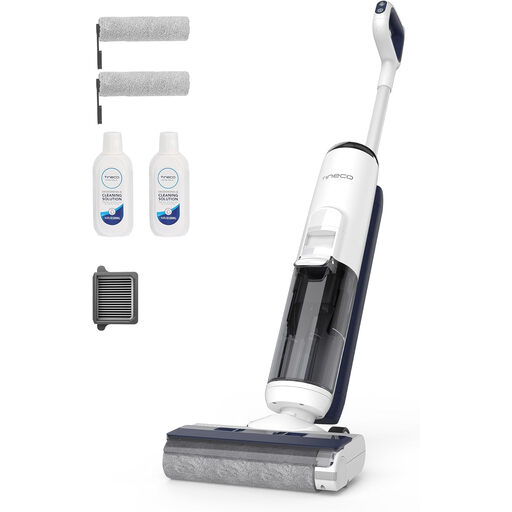
Why we're featuring this product: The Tineco iFLOOR 5 Breeze Complete is a cordless vacuum mop that vacuums and mops hard floors in a single pass. Its design is engineered for efficiency, featuring edge cleaning that reaches less than 0.5 cm from the wall and a self-cleaning function for the brush roller in its charging dock.
Advantages (Pros):
Who it's for: Individuals looking for a fast, thorough, all-in-one solution for the weekly cleaning of hard floors like laminate, tile, or sealed wood, who also prioritise a hygienic clean.
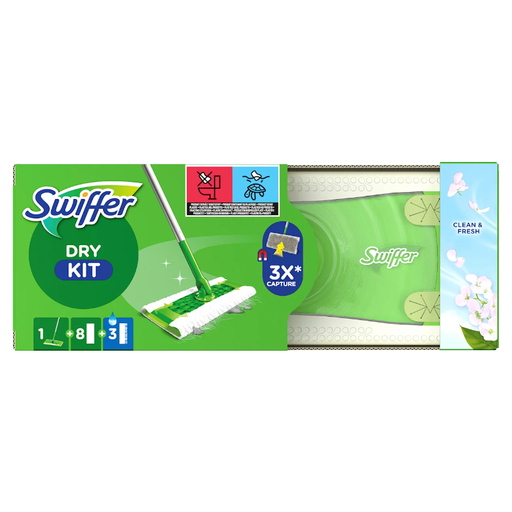
Why we're featuring this product: The Swiffer Starter Set represents a simple and effective manual cleaning method. The dry floor cloths use electrostatic properties to trap dust, dirt, and hair. The wet cloths contain a cleaning solution to dissolve stains.
Advantages (Pros):
Who it's for: Households with smaller living spaces, individuals needing a quick solution for daily removal of dust and pet hair, or as a supplement to an automated system for spot cleaning.
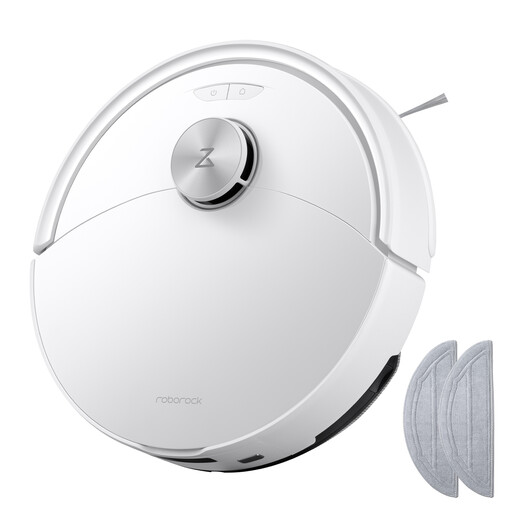
Why we're featuring this product: The roborock Q10 S5 is a robot vacuum with a mopping function, designed for high autonomy and cleaning performance. With a stated suction power of 10,000 Pa and a dual brush system, it aims for a thorough pickup of dirt and hair. The mop's automatic lifting feature on carpets allows for seamless use on mixed flooring types.
Advantages (Pros):
Who it's for: Individuals and families with medium to large living spaces, pet owners, and busy professionals seeking a time-saving, automated solution for daily floor maintenance on both hard floors and carpets.
The products featured cover a broad spectrum of needs. If a different configuration or model is better suited to your specific situation, you can find an expanded selection of devices in our Floor Cleaning Mops category.
1. What is the difference between a vacuum mop and a robot vacuum with a mopping function? A vacuum mop is a manually operated device designed primarily for intensive wet cleaning, combining vacuuming and mopping in one active process. A robot vacuum with a mopping function is an autonomous device that handles daily maintenance cleaning (vacuuming and light mopping) on its own, but typically does not achieve the same scrubbing intensity as a manual vacuum mop.
2. What is the best way to clean laminate without damaging it? When cleaning laminate, controlling moisture is critical. Use a hard floor cleaner or vacuum mop with adjustable water output, or ensure you are only "damp-mopping." Standing water must be avoided, as it can seep into the seams and cause the material to swell. Always follow the flooring manufacturer's care instructions.
3. Can a vacuum mop also clean carpets? No, vacuum mops are designed exclusively for use on sealed hard floors such as tile, vinyl, laminate, or sealed wood. The rotating, wet brush is unsuitable for textile surfaces and could damage them. For carpets, traditional vacuums or robot vacuums with carpet detection are the correct tools.