
Lieferung heute & morgen

Qualitätsgarantie

Willkommens-Angebote freischalten: KOSTENLOSE Lieferung | Bis zu 80 % RABATT | Kostenlose 30-Tage-JoyPlus-Testphase
App herunterladen
A hard floor cleaner should remove dirt reliably without damaging the surface through too much water, heat or unsuitable cleaning products. Laminate, parquet, vinyl, tiles, stone and linoleum all have different requirements. A device that works well on tiles isn't necessarily suitable for sealed wood or delicate grout.
A wet-dry vacuum or vacuum mop can pick up dry dirt and liquids in one go. However, hair, crumbs and dried-on stains place different demands on the brush roll, water delivery and suction power. So don't just look at the product name – also check for:
The stated motor power or maximum suction power alone doesn't determine how well an electric floor mop will perform in your home. Weight, manoeuvrability, battery life and accessibility under furniture are equally important. A heavy device can be impractical on large areas, while a very flat model may struggle with high door thresholds or uneven transitions.
A steam mop or steam cleaner works at high temperatures and reduces the need for cleaning products. However, heat or moisture can damage laminate, parquet, cork and floors that aren't fully sealed. Before use, you must check that the floor manufacturer's care instructions match the device's specifications. Also, with electrical appliances, mains voltage matters: a model rated 100–120 V and 60 Hz cannot simply be used with German 230 V sockets.
First, check which surfaces the hard floor cleaner is approved for. Sealed wood, laminate, vinyl and ceramic tiles are often listed for several devices, but as little standing water as possible should remain. For parquet and laminate floors, a slightly damp mop is usually better than thorough soaking.
With cleaning products, dosage is key. A laminate cleaner or parquet cleaner should be diluted according to the manufacturer's instructions. Overdosing can cause streaks, residue or a slippery surface.
A cordless vacuum mop offers flexible use, but its runtime must suit your floor area. Values of around 30 to 40 minutes can be enough for several rooms, depending on the cleaning mode and level of soiling. The device's weight affects how easily you can guide it over longer periods.
As for tanks: a larger clean water tank reduces interruptions but often adds weight. It's also important whether the dirty water tank can be easily removed and emptied after each clean.
A self-cleaning vacuum mop rinses the brush roll and internal channels after use. However, this function doesn't replace manual maintenance. The dirty water tank, filter and brush should be regularly removed, rinsed and thoroughly dried. Otherwise, odours and deposits can develop.
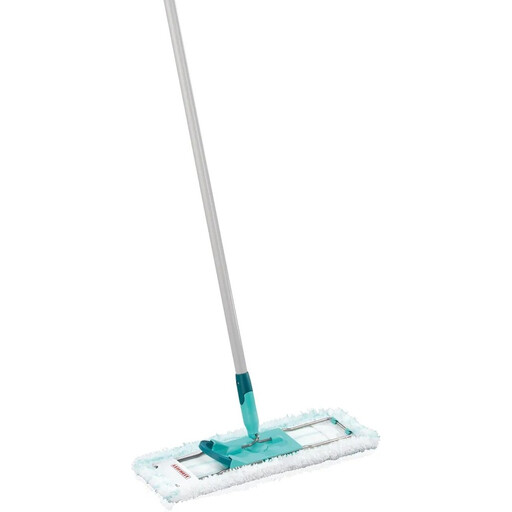
Why this product fits the profile: This classic floor mop needs neither a battery nor a mains connection, making it ideal for users who want a simple solution for tiles, stone and other wipeable hard floors.
There's no hidden battery life and no self-cleaning function whose maintenance could be overlooked. However, the separate Profi-XL wringer is not included.
42 cm mopping width, 140 cm steel handle, 360° joint and foot-operated cloth release.
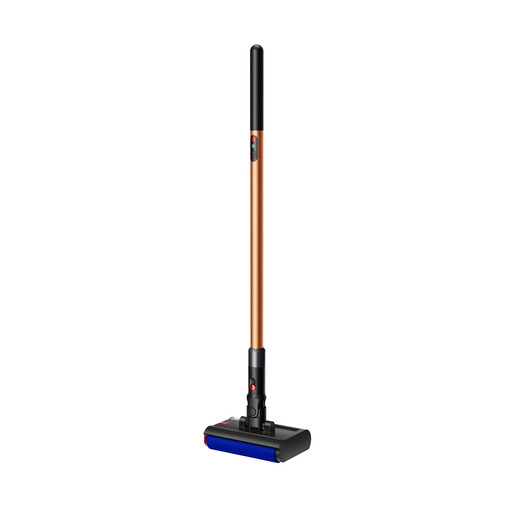
Why this product fits the profile: This slim device appeals to households where light handling and a compact design matter more than a large tank.
The stated 2.1 kg and maximum 30-minute runtime make weight and floor coverage transparent. The clean water tank holds 300 ml, the dirty water tank 340 ml.
Microfibre roller with 64,000 filaments, two cleaning modes and a low lying height of 15 cm.
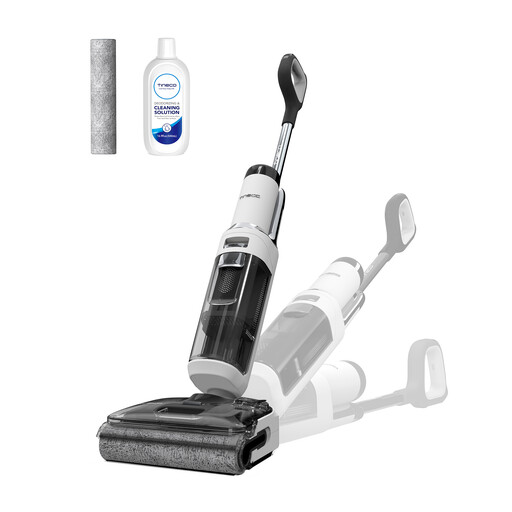
Why this product fits the profile: For households with frequent crumbs, spills and everyday dirt, this cordless vacuum mop combines vacuuming and mopping in one go.
The 40-minute runtime, 4.5 kg weight and recommended use on sealed hard floors make it clear what this device is designed for.
180° flat design, 13 cm lying height, three-sided edge cleaning and 5-minute FlashDry self-cleaning.
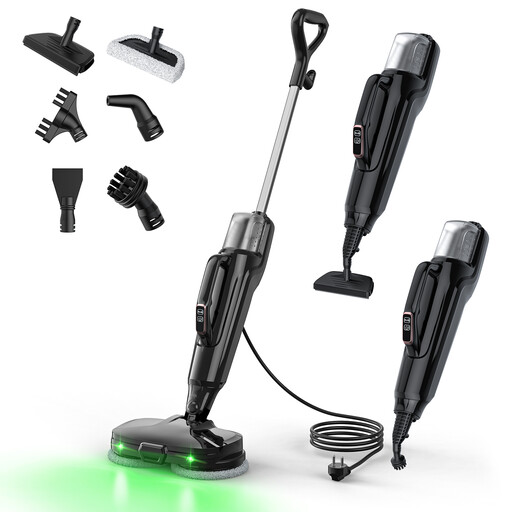
Why this product fits the profile: This 6-in-1 system is aimed at users who want to steam clean not only sealed floors but also grout, mirrors, fabrics or other suitable surfaces.
The stated operating voltage of 100–120 V~ at 60 Hz must be checked against your existing power supply before purchase. Direct use on 230 V in Germany is not intended.
1580 W power, 500 ml tank, detachable handheld steam cleaner and 21 accessories according to the product description.
A tile cleaner shouldn't automatically be used on every wood or plastic floor. For sealed hard floors, the emsal Floor Care Cleaner lists laminate, parquet, vinyl, linoleum as well as natural and artificial stone, among others. The stated dosage is 75 ml per 5 litres of water; on wood, cork and laminate, you should use it sparingly and with a well-wrung mop.
For more sensitive click and laminate floors, the emsal Floor Care Cork & Laminate is an obvious product category. Always follow the label instructions on all products, don't mix cleaners, and if you're unsure, test the application on an inconspicuous area first.
We've put together a complete, regularly updated list of products that fully meet these strict selection criteria and the safety regulations in force in the EU.
For laminate, choose devices and products that are expressly approved for sealed laminate surfaces. Only mop with a barely damp cloth and avoid standing water. A steam mop should only be used if the floor manufacturer permits steam cleaning.
The runtime depends on the cleaning mode, brush movement and battery age. For the devices mentioned here, the figures are, for example, up to 30 or 40 minutes. For larger homes, you should also consider charging time, tank capacity and the possibility of an intermediate charge.
Ongoing costs include cleaning products, filters, brush rolls and possibly a replacement battery. A classic floor mop usually uses fewer consumables but requires more manual effort. With a vacuum mop, you should factor in cleaning after each use to keep the filter, tank and roller working properly.