
Lieferung heute & morgen

Qualitätsgarantie

Willkommens-Angebote freischalten: KOSTENLOSE Lieferung | Bis zu 80 % RABATT | Kostenlose 30-Tage-JoyPlus-Testphase
App herunterladen
Choosing the right carry-on suitcase can often be a daunting task. Varying airline size restrictions, differences in materials, and a multitude of features make the decision complex. The goal of this guide is to provide objective criteria for selecting a hard-shell carry-on and to present a selection of models tailored to specific travel needs.
To make an informed decision, three key aspects should be considered: material, dimensions, and functional features.
The hard shell of a suitcase is typically made from one of three plastics, each with distinct properties.
Most airlines adhere to a standard size for carry-on luggage. A 55x40x20 cm cabin trolley is accepted by many carriers. However, it is always advisable to check the specific regulations of your airline before travelling.
For maximum convenience in the terminal, a 4-wheel cabin trolley is ideal. These so-called spinner suitcases can rotate 360° and glide effortlessly alongside you, which is particularly advantageous in narrow aisles or queues.
A suitcase with a TSA lock is essential for travel to the USA and several other countries. The Transportation Security Administration (TSA) can open the luggage with a master key without damaging the lock. This prevents forced entry and potential damage to the suitcase during a security inspection.
Based on the criteria above, we present three models that stand out for their specific features and materials.

Why It Stands Out: This model is made from 100% polypropylene, which provides high durability while maintaining a low weight of just 2.41 kg. The combination of longevity and lightness makes it a practical travel companion. Additionally, it features a YKK zipper, which is often found in higher-end luggage.
Advantages:
Who It's For: Frequent travellers looking for an exceptionally lightweight yet highly durable carry-on travel suitcase.
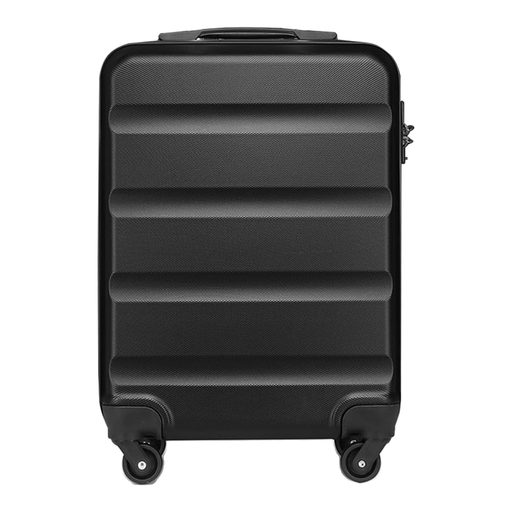
Why It Stands Out: This suitcase offers a solid set of features at an attractive price point. The ABS plastic shell is impact-resistant and reliably protects its contents. Its compact dimensions are approved as a carry-on for most airlines.
Advantages:
Who It's For: Budget-conscious travellers who need a functional and reliable cabin trolley for occasional business trips or short getaways.
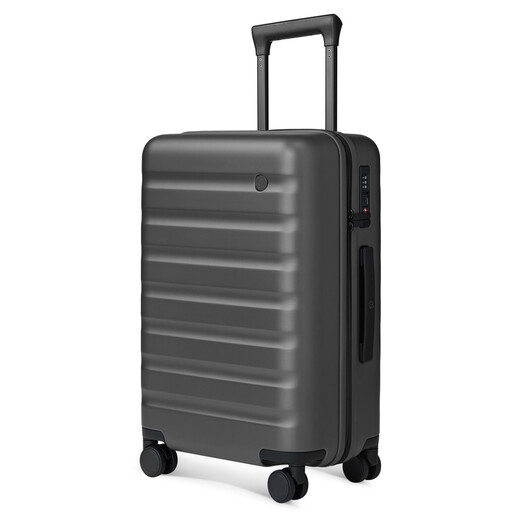
Why It Stands Out: The NINETYGO Rhine 2.0 is distinguished by its polycarbonate construction and thoughtful design features. The flush-mounted top handle creates a flat surface that can be used as a temporary shelf on the go. Fully recessed hardware, such as the TSA lock and side handle, minimises the risk of damage.
Advantages:
Who It's For: Design-conscious users and business travellers who value high-quality materials, innovative features, and long-term durability.
If our featured models aren't quite what you're looking for, or if you're searching for other suitcases with specific security features, you can find a wider selection of travel luggage in our Suitcases with Locks category.
1. What is the advantage of a hard-shell suitcase over soft-side luggage? A hard-shell carry-on suitcase offers better protection for fragile items inside and is more resistant to impacts and moisture. In contrast, soft-side luggage is often more flexible and features exterior pockets for quick access to documents.
2. What carry-on dimensions are permitted by most major airlines? A commonly accepted size is 55 x 40 x 20 cm. However, this can vary depending on the airline (e.g., Lufthansa, Ryanair, Eurowings). It is essential to check your airline's specific regulations before you fly to avoid additional fees.
3. How do I set the TSA lock on my suitcase? Most TSA locks are delivered with the default combination 0-0-0. To set a personal code, there is usually a small, recessed button that you press with a pointed object (like a ballpoint pen). While holding the button down, you can set your new number combination. Release the button, and the new code is saved. The exact procedure can vary depending on the lock model and will be described in the product manual.