
Lieferung heute & morgen

Qualitätsgarantie

Willkommens-Angebote freischalten: KOSTENLOSE Lieferung | Bis zu 80 % RABATT | Kostenlose 30-Tage-JoyPlus-Testphase
App herunterladen
Choosing the right jacket can be the difference between a successful trip and a premature, wet journey home. Whether you're hiking in the Alps, strolling along the coast, or on your daily commute, the weather can be unpredictable. A reliable hardshell jacket for women & men is therefore a fundamental piece of your gear.
As your Joybuy Product Recommendation Officer, my mission is to provide you with clear, objective information. This guide will help you understand the technical features of hardshell jackets and make an informed decision that meets your specific needs.
The selection is vast, and the technical specifications can be confusing. Focus on these three core aspects to find the right jacket for your needs.
A good outdoor jacket must be one thing above all: waterproof. The degree of waterproofing is indicated by its waterproof rating, measured in millimetres (mm). A value of 10,000 mm or higher is considered reliably waterproof, even during prolonged rain and when wearing a backpack.
At the same time, a technical jacket is only comfortable if it's breathable. Breathability describes the material's ability to transport water vapour (sweat) from the inside out. Without this feature, you would get wet from the inside. Look for ratings like g/m?/24h or the RET value. A low RET value (under 6) or a high g/m? value (over 10,000) indicates high breathability.
A hardshell jacket is more than just its fabric. The details determine its real-world performance:
A trekking jacket or hiking jacket must be durable. The outer fabric should be abrasion-resistant to withstand contact with rocks, branches, or a backpack. A rain jacket that is also windproof effectively protects you from the wind-chill effect, which can rapidly cool the body.
For tours in alpine terrain, a shell jacket with a RECCO reflector can be a crucial safety feature. This passive system helps professional rescue teams locate you faster in the event of an avalanche burial.
Based on the criteria above, we have selected a few models from the Pelliot brand that stand out for their specific features.
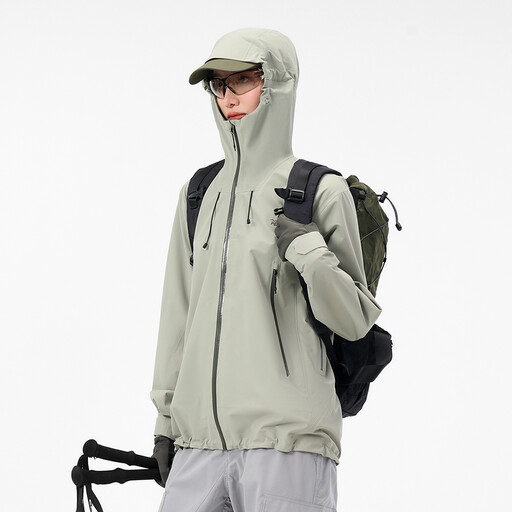
Why it stands out: This Pro model is an advanced evolution designed for demanding conditions. Its lighter, more elastic fabric offers freedom of movement, while the extended underarm vents optimise temperature regulation during high-exertion activities.
Pros:
Who it's for: For outdoor enthusiasts and mountaineers seeking a technically advanced all-weather jacket for extreme environments, from snowy peaks to rocky terrain, without sacrificing everyday usability.
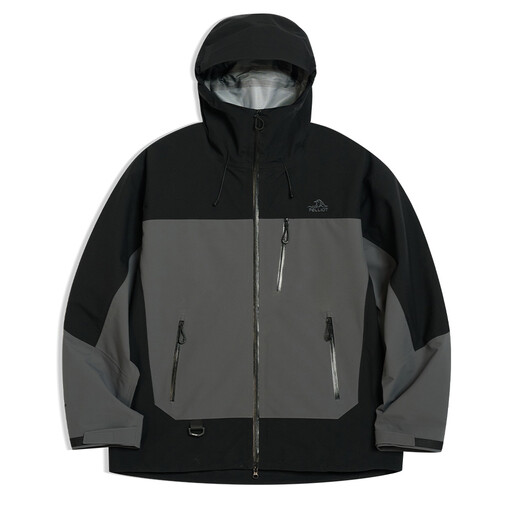
Why it stands out: This jacket combines reliable weather protection with a modern design. The colour-block styling sets it apart from classic outdoor jackets, making it a versatile companion for both the city and the trail.
Pros:
Who it's for: For style-conscious commuters and hikers looking for a single jacket for all scenarios—from a rainy commute to a weekend hike in the mountains.
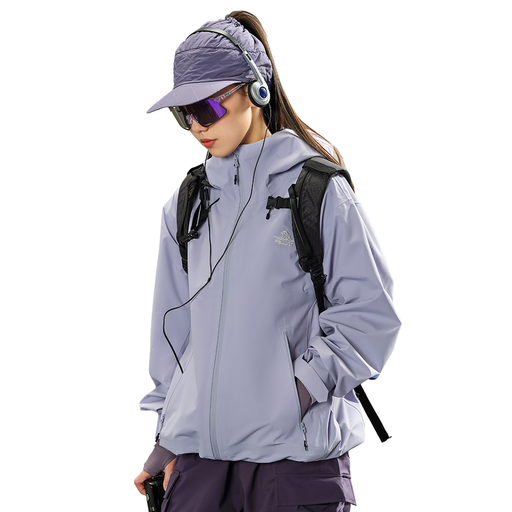
Why it stands out: With its clean lines and functional techwear look, this jacket targets a younger audience that values both aesthetics and performance. It offers full weather protection in an urban-ready silhouette.
Pros:
Who it's for: For young explorers and everyday adventurers looking for their first high-quality hardshell jacket, without compromising on a modern, versatile style.
This selection is just a small sample of the available models. If you want to compare more jackets or search for specific colours and sizes, you can find a wider range of protective outerwear in our category.
? Explore Our Entire Winter Outerwear Collection Here
A hardshell jacket is primarily designed for maximum weather protection: it is completely windproof and waterproof. Its material is less flexible. A softshell jacket, on the other hand, is more flexible, more breathable, and offers basic protection from light rain and wind. It is ideal for dry, cool conditions and high levels of physical exertion.
To maintain its waterproofing and breathability, a hardshell jacket should be cleaned regularly. Always follow the manufacturer's care instructions. As a general rule: wash the jacket at a low temperature (30-40°C) on a gentle cycle using a special detergent for technical apparel. Close all zippers. The DWR (Durable Water Repellent) finish can be reactivated with gentle heat in a dryer (on a low setting) or by ironing on the lowest setting.
A higher price often correlates with more advanced technologies, such as higher-quality membranes (which offer better breathability for the same level of waterproofing), lighter materials, or additional features like the RECCO system. However, the "better" jacket is the one that best suits your individual activities and needs. For occasional hikes in moderate weather, a solid mid-range model is often perfectly sufficient.