
Lieferung heute & morgen

Qualitätsgarantie

Willkommens-Angebote freischalten: KOSTENLOSE Lieferung | Bis zu 80 % RABATT | Kostenlose 30-Tage-JoyPlus-Testphase
App herunterladen
Choosing the right carry-on suitcase is a crucial part of preparing for any trip. A suitable cabin trolley must not only comply with strict airline regulations but also be robust, lightweight, and practical. A hardside carry-on suitcase, in particular, offers solid protection for your valuables. This guide is designed to help you understand the key features and make an informed decision for your next short trip.
As a Joybuy Product Recommendation Officer, I regularly analyse product information to provide you with objective guidance in the market. The goal is to help you select a model that meets your functional requirements.
Before you decide on a model, there are several fundamental criteria to consider. These features determine the durability, convenience, and travel-readiness of your luggage.
The type of plastic directly impacts the suitcase's weight, flexibility, and resilience.
Modern trolleys are designed for maximum convenience.
The permitted dimensions for carry-on luggage vary by airline. The most common dimensions are often around 55 x 40 x 23 cm. However, it is essential to check your airline's specific regulations before every flight to avoid extra fees. Pay attention to the overall dimensions, including wheels and handles.
Based on the criteria above, we have compiled a selection of models that stand out for their material properties, functionality, and construction.
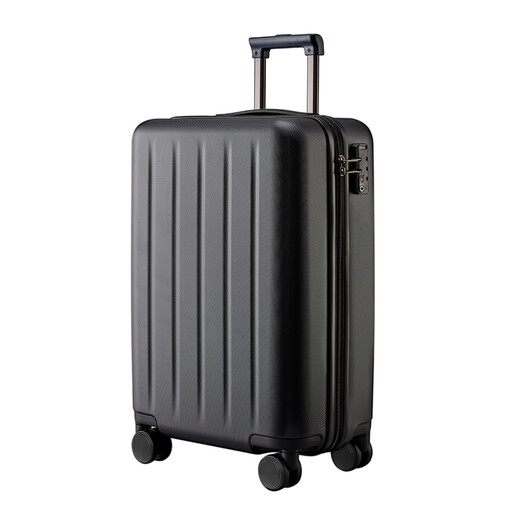
Why it stands out: The NINETYGO Danube features a 100% polycarbonate hardshell with a scratch-resistant texture. This choice of material makes it a lightweight yet resilient travel companion.
Pros:
Who is it for? Travellers looking for a reliable and lightweight cabin trolley with a robust polycarbonate shell and all the essential convenience features.
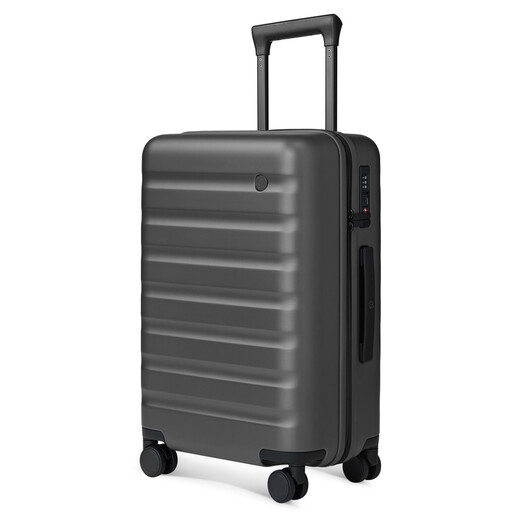
Why it stands out: The Rhine 2.0 is distinguished by its thoughtful design features. The flush-mounted top handle creates a flat surface that can be used as a temporary shelf on the go. Fully recessed hardware, such as the TSA lock and side handle, minimises the risk of snagging on luggage carousels.
Pros:
Who is it for? Individuals who value innovative details, thoughtful construction, and exceptionally durable features.
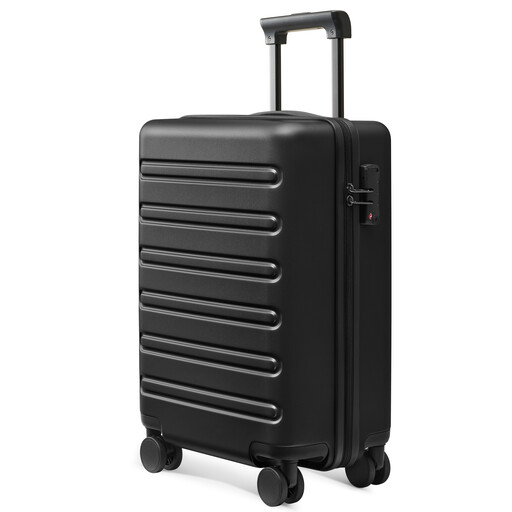
Why it stands out: This model uses a PC+ABS material blend that combines high elasticity with durability. According to the manufacturer, the suitcase has passed several professional tests, including drop, wheel, and zipper tests, underscoring its reliability.
Pros:
Who is it for? Travellers who prefer a carry-on suitcase with proven durability and a focus on structural stability.
The models presented here provide a solid foundation for various needs. However, if you are looking for different designs, sizes, or specific features, you may find the perfect piece of luggage in our wider collection.
? Explore our entire selection of [luxury suitcases with double wheels]
Compared to softside luggage, a hardside suitcase offers superior protection for fragile items. The rigid outer shell is more resistant to impacts and pressure. Additionally, hardside suitcases are typically water-resistant, protecting the contents from rain or spills. Their smooth surface is also easy to clean.
Although there is no universal standard, many airlines follow the IATA recommendations. A commonly accepted size is 55 x 40 x 20 cm. However, budget airlines often have stricter and smaller requirements. It is therefore essential to check the current size and weight regulations directly with your airline before you travel.
Setting a TSA combination lock is usually straightforward. The factory default setting is typically 0-0-0.