
Lieferung heute & morgen

Qualitätsgarantie

Willkommens-Angebote freischalten: KOSTENLOSE Lieferung | Bis zu 80 % RABATT | Kostenlose 30-Tage-JoyPlus-Testphase
App herunterladen
Choosing the right product from the vast hardware store selection can be a challenge. Whether you're buying tools online or looking for special household cleaning products, the sheer number of options can be overwhelming. Many products promise high performance but turn out to be a poor investment. To help you decide, we'll highlight common pitfalls and show you which objective criteria truly matter.
Before choosing a product, it's helpful to recognise typical marketing claims that often don't live up to their promises in practice.
To make an informed purchasing decision, you should focus on verifiable technical parameters rather than advertising slogans.
For DIY needs, choosing the right saws and saw blades is fundamental. Performance depends directly on the material:
Also, look for universal compatibility of the saw blades with common power tool brands to avoid being locked into a single system.
Not every cleaner is suitable for every task. The deciding factor is the active ingredient:
Knowing the active ingredient helps you select the right cleaner for a specific problem, such as a mould infestation or daily disinfection.
Here are some product recommendations tailored to specific user profiles and their requirements.
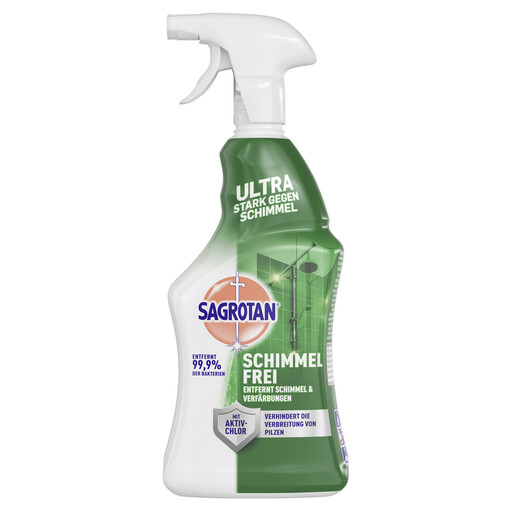
Why This Fits Their Persona: Ideal for homeowners who want to quickly and effectively solve a specific, common problem like mould in the bathroom or on window seals, without having to deal with all-purpose cleaners.
This product is not an "all-in-one" solution. It is a specialised mould remover with the clearly declared active ingredient sodium hypochlorite, defining its purpose unambiguously.
Targeted action against mould with a maximum application time of 5 minutes. Suitable for a variety of surfaces in sanitary areas, such as tiles, grout, and shower cabins.

Why This Fits Their Persona: Perfect for garden owners who need a powerful yet handy and cordless solution for tree pruning. The flexibility of switching between a 6-inch and 8-inch bar covers various branch thicknesses.
It bypasses the weak-battery trap by including two 4000mAh batteries, allowing for a continuous working time of up to 120 minutes. The 1000W brushless motor is a clear quality indicator for efficiency and durability.
High cutting performance with a chain speed of up to 10 m/s. Convenient features like tool-free chain tensioning and automatic chain lubrication simplify maintenance.
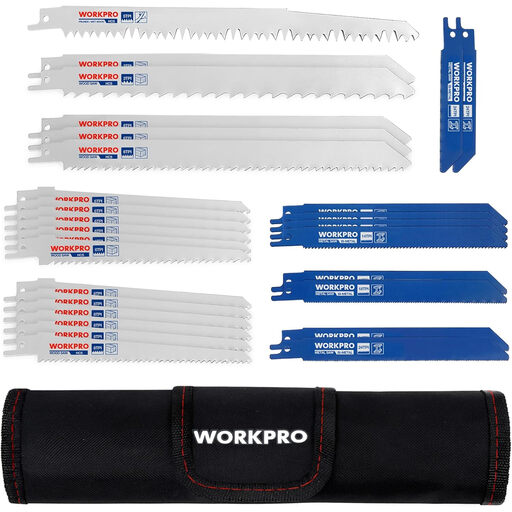
Why This Fits Their Persona: For DIYers who already own a reciprocating saw and need a versatile set of accessories for various projects. This set covers wood, metal, and plastic applications.
Instead of a single universal blade, this set offers specific blades for each purpose: CrV steel for wood and a Bi-Metal construction for metal. Compatibility with brands like Bosch, DeWalt, and Makita is clearly stated.
A comprehensive 32-piece set that covers a wide range of materials. The included storage pouch keeps everything organised and easy to transport.
For demanding projects in the garden or workshop, the right saw is crucial. We have curated a selection of products tailored to specific requirements.
When buying tools online, three points are key: 1. Detailed Product Descriptions: Look for precise specifications on material (e.g., HSS, CrV), performance (watts, battery capacity in Ah), and dimensions. 2. Compatibility: Check if accessories like saw blades or batteries are compatible with your existing equipment. 3. Manufacturer Information: Details about the manufacturer and the applicable warranty and return policies provide additional security.
The choice depends on the material and the desired cut quality. The TPI (Teeth Per Inch) rating provides a general guide. A low TPI number (e.g., 6 TPI) means coarse but fast cuts, ideal for construction lumber or tree pruning. A high TPI number (e.g., 18-24 TPI) produces fine, clean cuts and is suitable for metal or plastic. Also, choose the right blade material: CrV for wood, and Bi-Metal for mixed materials or metal.
The main difference lies in the active ingredient and the intended use. Mould removers often contain strong bleaching agents like sodium hypochlorite to eliminate mould fungi and their stains on non-sensitive surfaces (e.g., grout). Household disinfectant cleaners are often based on milder active ingredients like lactic acid. They are used to reduce bacteria on everyday surfaces like countertops or inside refrigerators and are not designed to combat a severe mould infestation.