
Lieferung heute & morgen

Qualitätsgarantie

Willkommens-Angebote freischalten: KOSTENLOSE Lieferung | Bis zu 80 % RABATT | Kostenlose 30-Tage-JoyPlus-Testphase
App herunterladen
Mandatory smoke detector regulations are a critical fire safety measure. However, many people find choosing the right device to be a challenge. The search for a system that works reliably for years and alerts the entire house in an emergency is fraught with pitfalls. Misleading product claims or technical incompatibilities can lead to unnecessary expenses and, in the worst-case scenario, compromise your safety.
As your Joybuy Product Recommendation Officer, I'm here to help you navigate these hurdles. We'll highlight the critical features you need to look for and clear up common misconceptions, so you can make an informed decision for your home.
Before you invest, you should be aware of the typical problems that arise when selecting smoke alarms. Forward planning will save you time, effort, and money later on.
To make the right choice, it's important to understand the technical specifications. Focus on these three crucial parameters.
Making a smoke detector interlinkable is key to comprehensive protection in larger apartments or houses. When one detector is triggered, all others also sound the alarm. There are two common technologies for this:
For alerts purely within the building, traditional RF interlinking is often the more robust solution.
Low-maintenance operation is a key purchasing criterion. A 10-year interlinked smoke detector should ideally be equipped with a sealed, integrated 10-year lithium battery. This ensures you won't have to worry about battery changes for a decade. After this period, the entire device must be replaced, as the sensor's sensitivity also degrades over time.
Additionally, a smoke detector with a hush feature is a practical function. It allows you to temporarily silence a false alarm, for example from kitchen steam, for a few minutes without having to remove the battery.
Compliance with the EN 14604 smoke detector standard is not an option, but a necessity. This European product standard ensures that the detector meets basic requirements for design, performance, and reliability. This includes the alarm volume (at least 85 dB at 3 meters), the response threshold for smoke, and resistance to false alarms. A certified product gives you the peace of mind that you are purchasing a tested and safe device.
Based on the criteria above, we have put together a selection of products suitable for different living situations and needs.
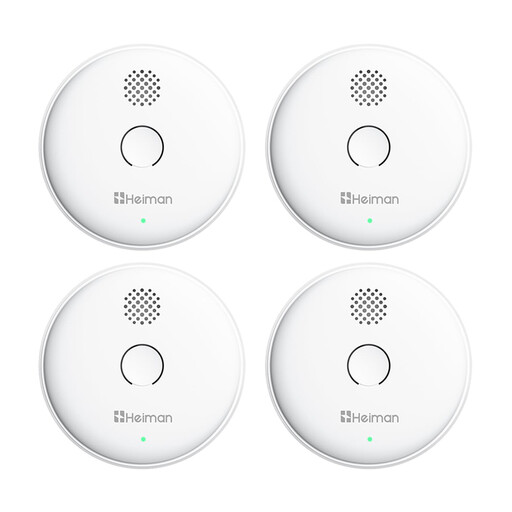
Why This Fits Their Persona: Ideal for owners of multi-story houses or large apartments who want a complete, out-of-the-box solution. This set ensures that a fire in the basement will also trigger an alarm in the attic.
This set bypasses the incompatibility trap, as all four detectors are from the same series and designed to be interlinked. The 10-year battery also prevents unexpected maintenance.
Comprehensive protection by linking up to 40 devices. Certified to EN 14604 and equipped with a convenient hush function.
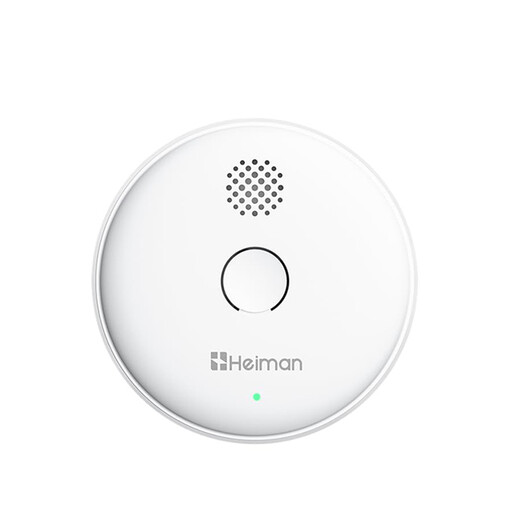
Why This Fits Their Persona: Perfect for renters or homeowners who want to build their security system step-by-step. You can start with one detector in the hallway and later add more for bedrooms and children's rooms.
Since this model is explicitly designated as interlinkable, you can be sure that subsequently purchased detectors of the same type (Heiman 2SA) will be compatible. This helps you avoid a mismatched and non-functional system.
High scalability and flexibility. The sealed 10-year battery ensures minimal maintenance, even as the system grows.
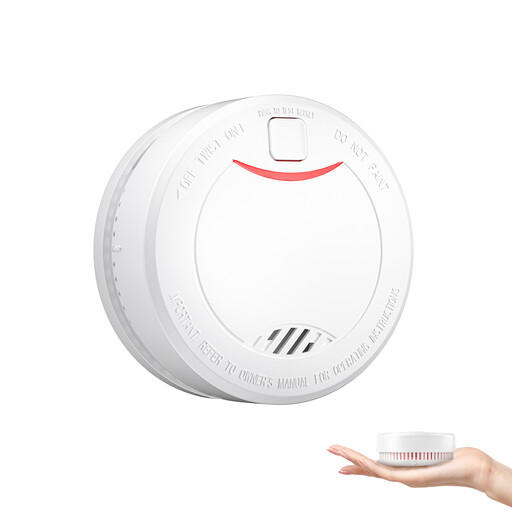
Why This Fits Their Persona: A solid choice for small apartments, individual rooms, or as a basic setup where interlinking is not required. The focus is on reliability and maintenance-free operation at an attractive price point.
This model avoids the "10-year trap" with an integrated long-life battery. You get a device that works for a decade without battery changes and meets the requirements of DIN EN 14604.
Cost-effective and maintenance-free solution. The photoelectric sensor responds well to smoldering fires and reduces false alarms from cooking fumes.
We've compiled a complete, up-to-date list of products that fully meet these strict selection criteria and rigorous safety standards.
Legal requirements vary by region, but a general recommendation is to install at least one smoke detector in all bedrooms, children's rooms, and hallways that serve as escape routes. In multi-story homes, there should be at least one detector in the hallway on each floor. With an interlinked system, it's wise to equip all required areas to ensure a comprehensive, house-wide alert.
Generally, no. Most manufacturers use proprietary radio protocols that are not compatible with other brands. Even different product lines from the same manufacturer can be incompatible. To ensure a functional network, you should always use detectors from the same model series.
The hush function, also known as a silence feature, allows you to temporarily deactivate the alarm for a short period (about 5 to 15 minutes) in case of an obvious false alarm (e.g., from bathroom steam or burnt food). After this time, the detector automatically resets to its normal monitoring mode. This is safer and more convenient than removing the battery.