Who is this relevant to?

Learning a specific harmony part

You want to listen to short passages repeatedly. Check whether your practice recording features the part you’re learning clearly, or whether a separate vocal track is available. Moises explains how separating lead and backing vocals can be used to prepare a recording.

Travelling with distracting road noise

You want to hear your music despite the surrounding noise, without turning the volume up unnecessarily. A good fit and the right ear tips are important when choosing earphones. The World Health Organization points out that both volume and listening time matter.

Switching between playback devices

You use different devices or connections and want to check in advance whether wired, an adapter or Bluetooth will work for the way you plan to listen. Sennheiser and Audio-Technica list different connection and feature options for specific models.

What should you look for when choosing?

Priority What to check before buying Who is it important to?
Hearing the part you’re learning Check the specific practice recording and see whether a separate vocal track is available. Also check whether you can easily replay the passage you want on your playback device. If I want to learn a particular harmony part, I need to be able to pick it out clearly in the recording or have it on a separate track. That’s why around 33% of consumers put being able to hear the part they’re learning first.
Reducing road noise Try different ear tip sizes and check the fit, while staying aware of important sounds around you. A manufacturer’s noise-isolation claims are no guarantee for your individual experience. When I practise on the coach, I want to hear the recording without continually turning it up to compete with the noise. Around 27% of consumers prioritise reducing road noise while keeping the volume moderate.
Comfort during repeated listening Check the size and material of the ear tips, and assess the fit over a practice session of the length you’d typically do. Before trying them on, check the applicable terms and conditions. If I listen to the same passage several times, the fit should stay comfortable. Around 20% of consumers prioritise long-wearing comfort.
A connection that works with your device Check the output on your playback device and which plug you need. With detachable cables, the connection on the earphones themselves must also be compatible. If I want to listen using the device I have in mind, the connection and playback method need to work together. That’s why around 20% of consumers prioritise device compatibility.

Common misconceptions

  • More drivers or a pricier model will automatically isolate the harmony part

    Earphones play back the audio signal they receive. They can’t isolate an individual vocal part that isn’t available in the finished mix.

    Listen to the key passage in your recording beforehand and check whether a suitable separate vocal track is available.

  • A manufacturer’s noise-isolation rating applies to every ear

    Fit varies from person to person. A stated rating can’t predict how much it will reduce road noise for you.

    Try the supplied ear tips and assess the fit in your own ears, rather than choosing based solely on a dB rating.

  • Detachable cables are interchangeable

    The connection on the earphones can vary by model. Shure specifies MMCX for the SE215, while Audio-Technica specifies A2DC for the ATH-E40.

    Check the connection on the earphones and the one on your device separately before choosing a replacement cable or adapter.

  • Every version in a model range has Bluetooth

    For the Sennheiser IE 100 PRO, the Bluetooth module is specifically included with the Wireless version. You can’t assume that the wired version has the same features.

    Before you buy, check the full model name and the stated contents of the box.

Brands to consider

Shure

The wired SE215 is worth considering if you want a choice of ear tips and a detachable cable.

  • Shure lists a Fit Kit, an MMCX cable and a 3.5 mm plug. The claimed noise reduction of up to 37 dB is a manufacturer’s figure, not a guaranteed result on a coach.
  • A replacement cable for the SE215 must have an MMCX connection.

Sennheiser

The IE 100 PRO range includes wired versions as well as the separately named IE 100 PRO Wireless.

  • For the IE 100 PRO Wireless, Sennheiser lists a Bluetooth module, a standard PRO cable and up to 10 hours of playback.
  • These features don’t automatically apply to the wired IE 100 PRO. The stated playback time isn’t guaranteed for every type of use.

Audio-Technica

The wired ATH-E40 is another option if having several sizes of silicone ear tip matters to you.

  • Audio-Technica lists four ear tip sizes and a detachable 1.6 m cable, with an A2DC connection at the earphone and a 3.5 mm plug for the playback device.
  • A replacement cable must be compatible with the A2DC connection.

beyerdynamic

According to the manufacturer, the DT 70 IE is designed for mixing and critical listening. You don’t automatically need these features to practise a prepared harmony part.

  • For this model, beyerdynamic lists a wired 1.4 m MMCX cable and a 3.5 mm plug.
  • The manufacturer’s claims about precision and isolation don’t demonstrate independently verified superiority for practising on a coach.

In-ear headphones for prepared practice tracks

This selection includes in-ear headphones for playing prepared practice tracks while you’re out and about, including wireless models with noise cancellation and wired USB-C earphones.
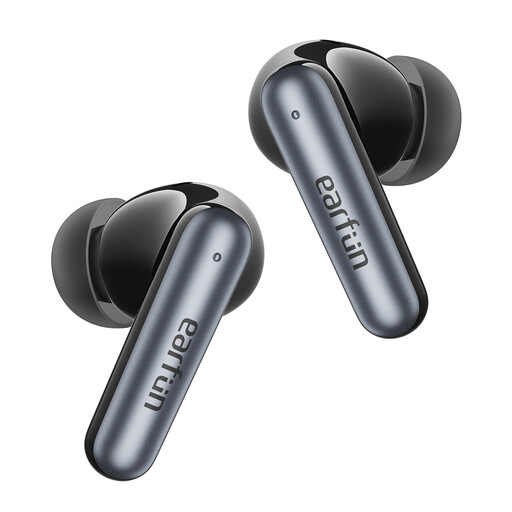
EarFun Air Pro 4i True Wireless in-ear headphones

EarFun Air Pro 4i True Wireless

For listening to prepared practice tracks on the go; the product details list noise cancellation and a True Wireless design.

Bluetooth 5.4; up to 40 hours of playback with the charging case, according to the product details.

The earphones play back the recording, but won’t isolate a harmony part from the full mix.

Joybuy
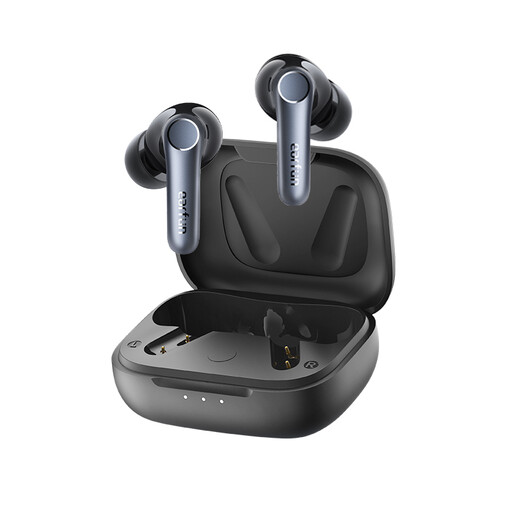
EarFun Air Pro 4 Adaptive ANC True Wireless in-ear headphones

EarFun Air Pro 4 Adaptive ANC

For listening to prepared practice tracks on the go; this product is described as a True Wireless in-ear model with adaptive noise cancellation.

Bluetooth 5.4; up to 52 hours of playback with the charging case, according to the product details.

You’ll still need a suitable recording or separate practice track if you want to learn a particular harmony part.

Joybuy
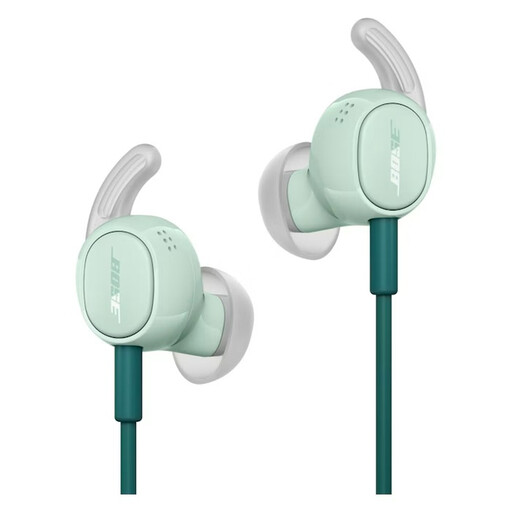
Bose Noise Cancelling Wired Earbuds, Dewdrop Mint

Bose Noise Cancelling Wired Earbuds, Dewdrop Mint

For compatible USB-C devices, if you want to listen without pairing over Bluetooth or relying on a separate headphone battery.

Wired USB-C connection; Quiet Mode, Aware Mode and ANC off are listed. Ear tips in S, M and L are included.

Check whether your playback device supports USB-C audio. The recording must contain the vocal part you want to hear.

Joybuy
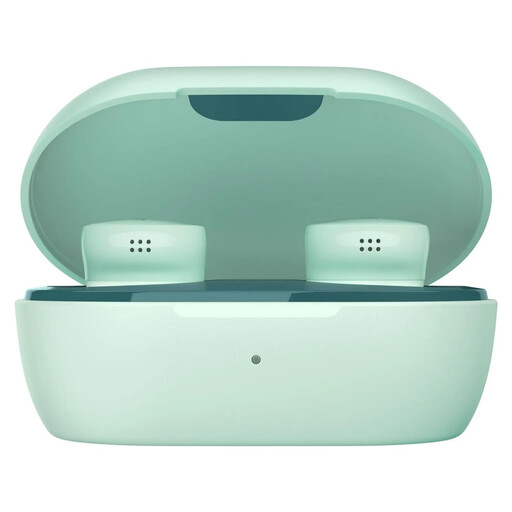
Bose QuietComfort Wireless Noise-Cancelling Earbuds, Dewdrop Mint

Bose QuietComfort Wireless Earbuds, Dewdrop Mint

For prepared practice tracks if you want wireless listening and adjustable noise cancellation.

Bluetooth 5.3 with multipoint; up to 8.5 hours of battery life according to the product details. The Fit Kit includes nine combinations.

As this is a wireless model, the battery needs to be charged. Check the fit in your own ears.

Joybuy
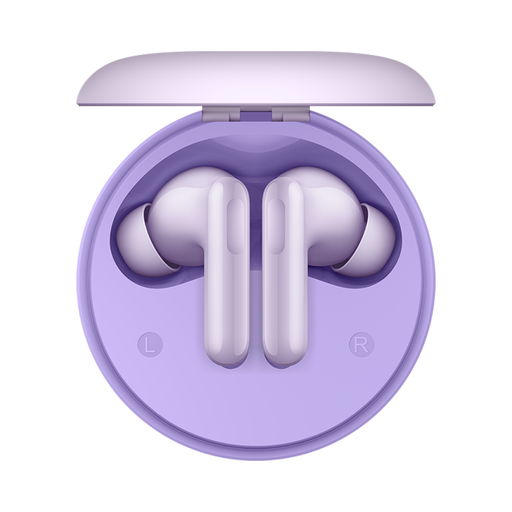
HONOR Earbuds A Pro

HONOR Earbuds A Pro

For listening to prepared practice tracks on the go; the product description lists active noise cancellation.

The product name lists 12.4 mm drivers, 49 dB noise cancellation and 42 hours of battery life. These are product claims, not independent measurements.

The earphones can’t isolate an individual harmony part from a finished mix by themselves.

Joybuy

Frequently asked questions

Can an in-ear monitor isolate my harmony part from a finished recording?

No. An in-ear monitor plays back the audio signal it receives; it doesn’t isolate a vocal part by itself. Check whether a separate practice track is available or whether the recording can be edited beforehand. Moises describes separating lead and backing vocals, but whether that makes the specific harmony part you want sufficiently clear depends on the recording.

How can I listen on the coach without constantly turning the volume up to overcome the road noise?

Try ear tips that fit well and keep the volume moderate. The World Health Organization points out that sound level and listening time both matter, and recommends well-fitting headphones to avoid turning the volume up unnecessarily in noisy surroundings.

Does the Sennheiser IE 100 PRO always come with a Bluetooth module?

No. Sennheiser lists the Bluetooth module for the version specifically called IE 100 PRO Wireless. A standard PRO cable is also included with this version. Check the full model name and what’s included with the specific offer.

What should I check when buying a replacement cable?

Check both the plug for your playback device and the connection on the earphones themselves. Shure specifies MMCX for the SE215, while Audio-Technica specifies A2DC for the ATH-E40. Follow the instructions for your specific model when cleaning it or changing the ear tips.

What are my rights when shopping online in Germany?

For a typical distance purchase from a trader, you generally have a 14-day right to withdraw from the contract, starting from the day you receive the goods. Your Europe explains this right for distance contracts; under certain conditions, Section 312g of the German Civil Code (BGB) provides an exception for unsealed goods that cannot be returned for health protection or hygiene reasons. This does not mean that every opened pair of in-ear headphones is automatically excluded from the right to withdraw. If a product is faulty, your statutory rights against the seller are separate from any voluntary guarantee.