Listeners learning a harmony part quietly
You want to listen to an existing recording repeatedly and follow the part you’re learning, without using speakers or singing audibly in the reading room.


For quiet practice with an existing recording, the main things to look for are comfortable in-ear headphones that fit snugly, and a connection that works with your playback device. Manufacturers’ noise-isolation claims are no substitute for checking the fit and listening with your own recording, and they don’t prove that you’ll learn more effectively. If you want to sing audibly and hear your voice live, you’ll also need a suitable recording and monitoring setup, as well as a place where singing is allowed.
You want to listen to an existing recording repeatedly and follow the part you’re learning, without using speakers or singing audibly in the reading room.
You pay attention to the mid-range, entrances and pitch, and want to check whether you can follow the harmony part in your specific recording. A manufacturer’s claims about tuning don’t prove that you’ll learn more effectively.
You want to hear your recorded voice alongside the backing track. Your microphone, audio connection and monitoring setup all need to work together. Steinberg notes that latency when monitoring through software depends on the audio hardware and drivers.
First, check that the fit and playback work for your recording. Then consider the connection, controls and availability of replacement parts.
| Priority | What to check before buying | Who it matters most to |
|---|---|---|
| Quiet listening | Suitable ear tips and a comfortable fit; test at a low volume with your own recording. | If I want to listen to a recording in a quiet reading room without disturbing others with speakers or audible singing, this is my top priority. Around 28 % of consumers prioritise listening quietly without disturbing others. |
| Fit | Check the available ear-tip sizes and materials, and whether the housing or cable presses or pulls during longer listening sessions. | If I’m listening to several practice sections in a row, I need a fit that’s comfortable and snug. Around 22 % of consumers particularly value a comfortable, secure fit. |
| Vocal detail | Compare the tuning of the specific model with a familiar recording; for Etymotic, check the bass tuning of the version you’re considering. | If I want to follow the harmony part’s entrances and pitch repeatedly, what matters is what I can actually pick out in my recording. Around 22 % of consumers prioritise clearly discernible vocal details. |
| Connection and monitoring | Check your device’s audio output or the adapter you’ll need. For live monitoring, also check the microphone, signal path and latency of the complete setup. | If I want to hear my own voice through a microphone alongside the backing track, my entire setup needs to work. Around 17 % of consumers prioritise device compatibility or being able to hear themselves. |
| Replacement parts | Check the connector type and compatible replacement cable; compare what’s included with the availability of suitable replacement ear tips. | If I want to replace detachable parts later, I check for compatible ear tips and the right connector system. Around 11 % of consumers place particular importance on replacement parts and ongoing costs. |
Manufacturers’ noise-isolation figures relate to the noise reaching your ears. They don’t show that people in the room won’t hear you singing.
Listen to a recording quietly in the reading room instead of practising by singing audibly, and follow the rules of the library you’re in.
Sennheiser describes the IE 100 PRO Wireless as including an additional Bluetooth module and a standard PRO cable. Don’t assume these are included with the wired IE 100 PRO.
Check the full model name, what’s included and your device’s audio output.
These features are no substitute for a good seal or listening with your specific recording. Fischer Amps also describes the FA 3E XB as having an enhanced bass response.
Compare the fit and sound using a familiar section of your practice recording, and listen at a sensible volume.
The wired SE215 is an option with a replaceable MMCX cable and a choice of ear tips.
The IE 100 PRO is the wired monitoring option; the IE 100 PRO Wireless is a separate version with different features.
The ER2SE is a wired option that Etymotic describes as having a flat response and strong passive isolation.
The ATH-E40 is a wired alternative with a detachable cable.
The FA 3E XB is a universal-fit IEM with a replaceable cable and several ear tips.
This selection includes wired in-ear headphones with USB-C or 3.5 mm connections, as well as true wireless earbuds for personal listening. Before buying, check that the connection and features suit your playback device and how you plan to use them.
 No image available
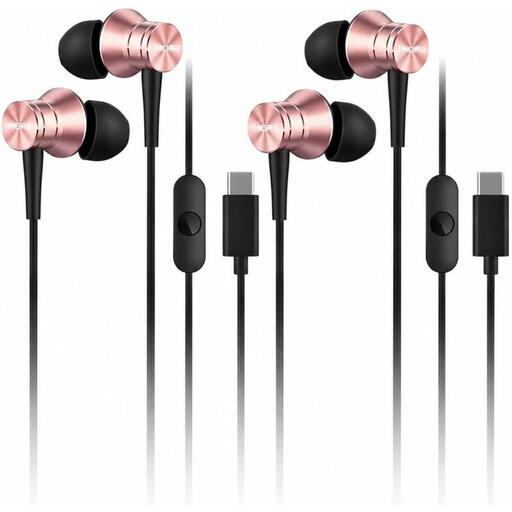
A good option if you want to listen through a wired USB-C connection and try different fit options.
USB-C version; your playback device must support USB-C audio.
The product description lists additional silicone ear tips and an angled design for noise isolation.
 No image available
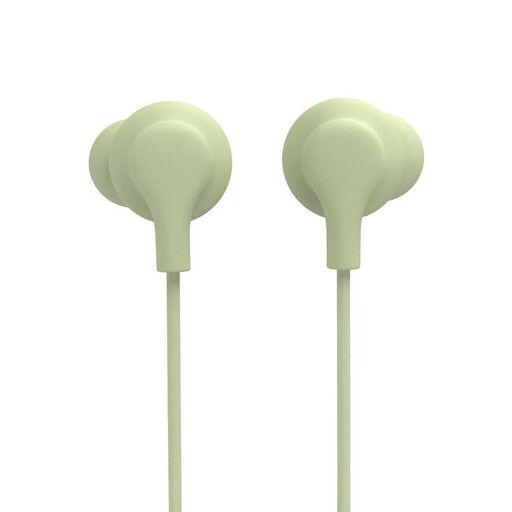
Worth considering if you want to listen through a wired USB-C connection and adjust the volume on the cable.
USB-C audio; requires a device with a USB-C audio output.
The specifications list silicone ear tips, a microphone and an in-line remote for music and volume.
 No image available
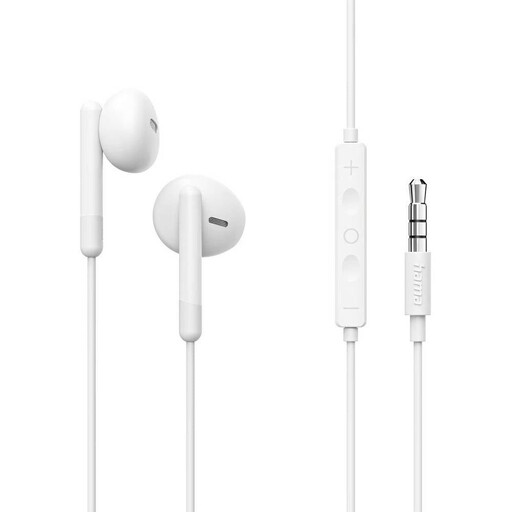
A possible choice for wired listening if your device has a 3.5 mm audio connection.
3.5 mm connection; otherwise, you’ll need a suitable adapter.
The specifications list a microphone, an in-line remote for music and volume, and a 1.2 m cable.
 No image available
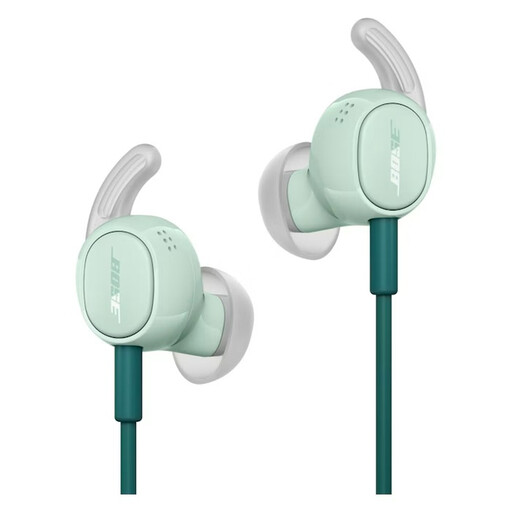
Worth considering if you want to listen through a compatible USB-C device and switch between the available listening modes.
USB-C audio; only compatible with USB-C devices.
The product description lists silicone ear tips in three sizes, stability bands, and Quiet, Aware and ANC-off modes.
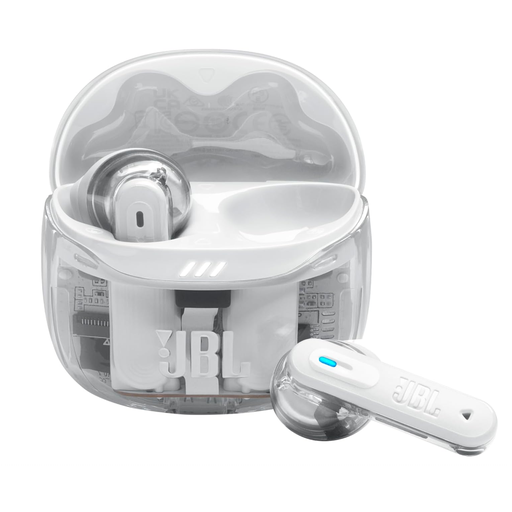 No image available
A good option if you’re looking for true wireless earbuds with no cable connecting them to your playback device.
The product description lists adaptive noise cancelling and Smart Ambient.
According to the product description, you can adjust the EQ settings in the JBL app; it also lists connections to multiple Bluetooth devices.
No. In-ear headphones won’t make your voice inaudible to people in the room. Whether singing is allowed depends on the rules of the library you’re visiting. The rules of the Staatsbibliothek zu Berlin ask visitors to be considerate and prohibit disruptive behaviour; they don’t apply to every library in Germany. Only practise singing audibly somewhere suitable.
Yes, if you want to hear your voice through a microphone alongside the backing track. Check your setup’s microphone, audio input, mix and monitoring output. Steinberg’s documentation notes that latency when monitoring through software depends on the audio hardware and drivers.
Keep both volume and listening time in mind. The World Health Organization gives an average sound level of 80 dB for up to 40 hours a week as an example of safe listening. The volume control setting alone doesn’t tell you the actual level at your ear. Start quietly, take breaks and don’t simply turn up an earphone that isn’t sealing properly.
Check which replacement ear tips and cable are compatible with the specific model. For online purchases, Verbraucherzentrale explains that you generally have the right to cancel within 14 days of receiving your order. Exceptions may apply to goods that are suitably sealed and unsuitable for return for hygiene reasons. Not every layer of packaging film counts as such a seal. Your rights if goods are faulty are separate.