
Lieferung heute & morgen

Qualitätsgarantie

Willkommens-Angebote freischalten: KOSTENLOSE Lieferung | Bis zu 80 % RABATT | Kostenlose 30-Tage-JoyPlus-Testphase
App herunterladen
For many of us, reaching for a jar of chocolate spread is a breakfast ritual or a sweet treat. But when searching for a high-quality hazelnut spread, questions often arise: What is the actual hazelnut content? Which fats are used? And are there flavourful alternatives to the well-known market leaders?
This article serves as your guide. We'll highlight the key quality characteristics of a good hazelnut cream and introduce a selection of products that stand out for their ingredients and flavour profiles. Our goal is to provide you with an informed basis for your next purchase.
The selection on supermarket shelves is vast, but so are the differences in quality. The following three points will help you make a conscious choice.
The name says it all: hazelnuts are the heart and soul of any hazelnut spread. A high hazelnut content is often an indicator of an intense, authentic flavour. While many standard products have a hazelnut content of around 7% to 13%, premium spreads can boast 20%, 30%, or even more. A quick look at the ingredients list is revealing—the higher up hazelnuts are listed, the greater their proportion usually is.
The vegetable fat used has a major impact on the spread's consistency and mouthfeel. Many manufacturers use palm oil because it ensures a spreadable consistency at room temperature and is cost-effective. However, health-conscious and environmentally-aware consumers are actively seeking palm oil-free hazelnut spreads. Alternatives like sunflower oil, rapeseed oil, or shea butter are becoming increasingly popular. These oils can often allow the natural flavours of the nuts and cocoa to shine through more purely.
Sugar is the main ingredient in almost every sweet chocolate spread. Nevertheless, there are significant differences. Look for products where the sugar content is well-balanced with other valuable ingredients like nuts and cocoa. Another mark of quality is the absence of artificial flavours and preservatives. Products that use natural flavourings, such as real vanilla extract, often provide a more well-rounded and authentic taste experience.
Based on the criteria above, we have compiled a selection of interesting products that could be a worthy alternative to Nutella.
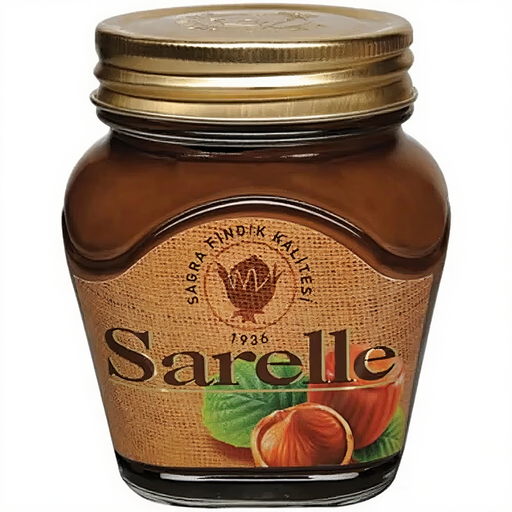
Why it stands out: Sarelle Cocoa Hazelnut Cream is positioned as a classic hazelnut spread with a solid hazelnut content and no artificial additives. It offers a balanced ratio of cocoa to nut.
Benefits:
Who is it for? Ideal for anyone looking for a flavourful and straightforward alternative to conventional chocolate spreads who values a noticeable nutty taste. Those specifically looking to buy Sarelle will find this a great starting point.
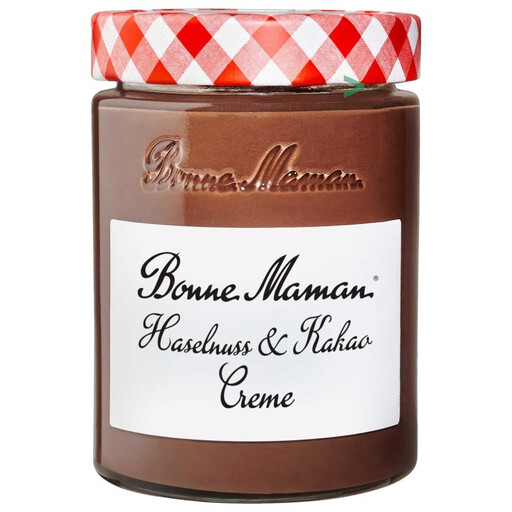
Why it stands out: The Bonne Maman Hazelnut Cream stands out with its exceptionally high hazelnut content. The brand, famous for its fruit preserves, applies its high-quality recipe standards to this spread as well.
Benefits:
Who is it for? For connoisseurs who prioritise the intense flavour of hazelnuts. If you're looking for a hazelnut cream with a high hazelnut content and are willing to invest in this level of quality, this is the one for you.
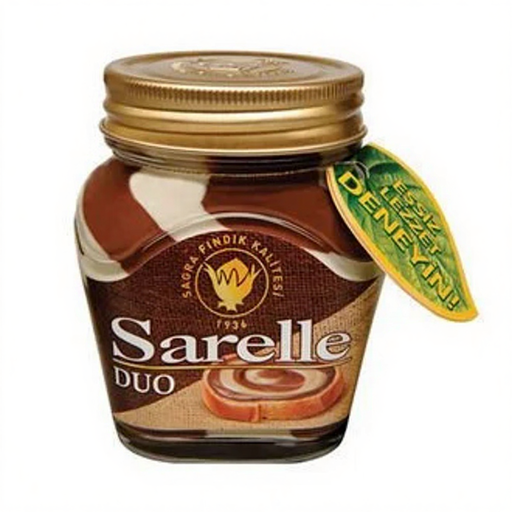
Why it stands out: This two-tone spread combines a dark cocoa-hazelnut layer with a light milk cream layer. It appeals especially to those who prefer a milder, milkier option.
Benefits:
Who is it for? Perfect for families and anyone who enjoys the playful character and milder taste of two-tone spreads. A great choice for crêpes, waffles, or simply on bread.
Taste is subjective, and the selection presented here is just a glimpse into the diverse world of chocolate spreads. If you'd like to compare more products or discover other varieties, you can find a wider selection in our Cocoa Cream category.
A good hazelnut spread is defined by a balanced recipe. Key criteria include a high hazelnut content for an intense flavour, the absence of palm oil in favour of other vegetable oils like sunflower or rapeseed oil, and the use of natural ingredients without artificial flavourings.
There's no hard and fast rule, but hazelnut content is a good indicator of quality. Standard products often contain between 7% and 13%. High-quality creams start above 13% and can have contents of 20%, 40%, or even more. The higher the percentage, the more dominant and authentic the nut flavour usually is.
The taste of a hazelnut spread is primarily determined by the quality and proportion of hazelnuts and cocoa. The oil used mainly affects the consistency and mouthfeel. Spreads made with sunflower or rapeseed oil are often perceived as slightly softer and can allow the subtle aromas of the nuts and cocoa to come through more clearly, as these oils are very neutral in taste.