
Lieferung heute & morgen

Qualitätsgarantie

Willkommens-Angebote freischalten: KOSTENLOSE Lieferung | Bis zu 80 % RABATT | Kostenlose 30-Tage-JoyPlus-Testphase
App herunterladen
A crispy wafer filled with a creamy hazelnut paste – the hazelnut wafer is a popular snack for breaks, the office, or as a little treat. However, the vast selection can quickly become overwhelming. Not every wafer that looks promising delivers on its promise. Before you grab the next pack, it's worth taking a closer look at the details to avoid common purchasing pitfalls and make a choice that truly fits your needs.
This guide will show you what to look for to identify hidden sugar bombs and misleading packaging claims.
Choosing the right hazelnut wafer depends on more than just the brand name. Three objective criteria will help you compare products factually and make an informed choice.
The nutrition table is the most important tool for objectively comparing products. Pay particular attention to the values per 100 grams, as this provides a uniform standard for comparison, whereas portion sizes vary from one manufacturer to another. A high sugar content can quickly turn a quick snack into a sweet treat with an unexpectedly high number of calories. For a more health-conscious diet, there are now also options like wafers with no added sugar, which use alternative sweeteners and often have a higher fibre content.
The term "hazelnut cream" can be interpreted in different ways. A look at the ingredients list reveals the actual percentage of hazelnuts in the product. This is usually stated as a percentage, for example, "Hazelnuts (12%)". A higher hazelnut content often indicates a more intense, natural flavour, while products with a lower percentage frequently rely more on artificial flavourings and sugar for taste.
Are you looking for a supply for the whole family or convenient office snacks for on the go? The packaging plays a crucial role. A bulk pack with individually wrapped bars is ideal for maintaining freshness and easily controlling portions. Brands like Knoppers or Hanuta offer various formats, from double packs to large boxes. This not only simplifies storage but also makes it easy to take a snack with you for when hunger strikes.
Based on these objective criteria, we have compiled a selection of products suitable for different requirements.
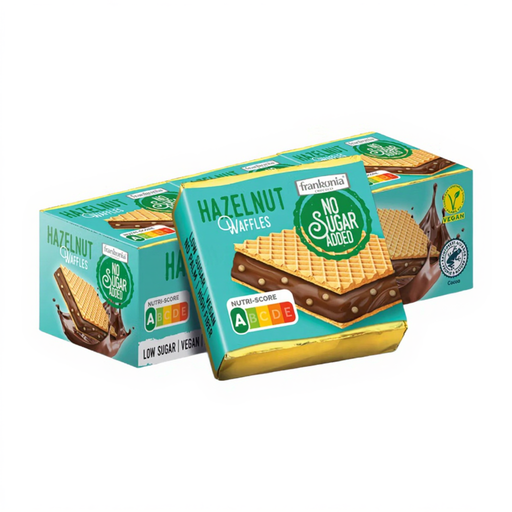
Why it's a great fit: These wafers are designed for those who want to avoid added sugar without sacrificing enjoyment. The recipe is vegan, palm oil-free, and lactose-free.
The product directly addresses the hidden sugar trap by being explicitly declared as "no added sugar." The nutritional information is transparent.
According to the manufacturer, the product contains 24 g of fibre per 100 g and has a Nutri-Score of A, making it a nutritionally conscious choice.
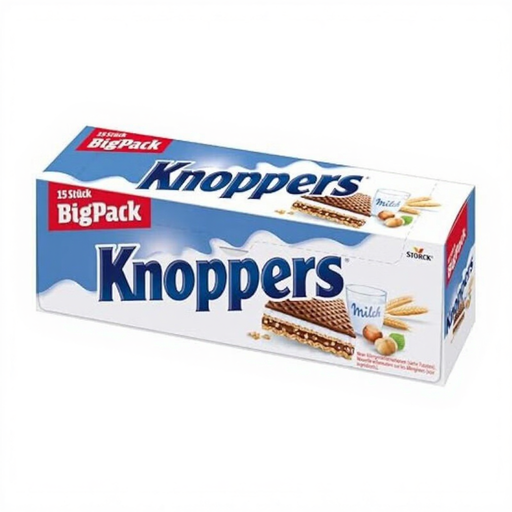
Why it's a great fit: This bulk pack is perfect for families or the office. The individually wrapped portions stay fresh for a long time and are convenient for on the go.
The individual wrapping ensures clear portion control and avoids the problem of unclear serving sizes on the main packaging.
The pack contains 15 individually wrapped wafers, which simplifies stocking up and portioned consumption. The hazelnut content is 9.1% according to the manufacturer.
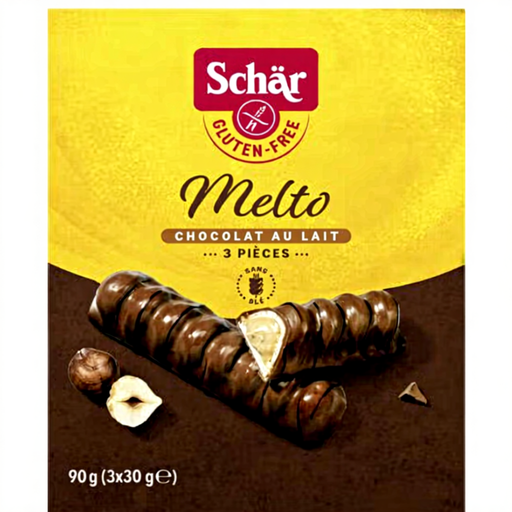
Why it's a great fit: These wafer bars are specially developed for a gluten-free diet, offering a safe alternative for people with celiac disease or gluten sensitivity.
Provides a clear and safe solution for shoppers who need gluten-free wafers and don't want to navigate unclear allergen warnings on standard products.
The product is certified gluten- and wheat-free. According to the manufacturer, the cocoa used is Rainforest Alliance certified.
We have compiled a complete, up-to-date list of products that fully meet these strict selection criteria and UK regulations.
To maintain the crispiness of the wafers, they should be stored in a cool, dry place, protected from direct sunlight and moisture. After opening the main package, it is advisable to store the wafers in an airtight container if they are not individually wrapped.
Yes, there are special gluten-free wafers for people with gluten intolerance. Brands like Sch?r specialise in such products. When purchasing, always look for a clear label, such as the crossed-grain symbol or the "gluten-free" notice on the packaging, to be sure.
The exact hazelnut percentage is listed in the ingredients list on the product packaging. The ingredients are listed in descending order of their weight. The percentage of key ingredients like hazelnuts is often stated directly in parentheses (e.g., "Hazelnuts (13%)" or "in the cream"). This provides a transparent indication of the product's composition.