
Lieferung heute & morgen

Qualitätsgarantie

Willkommens-Angebote freischalten: KOSTENLOSE Lieferung | Bis zu 80 % RABATT | Kostenlose 30-Tage-JoyPlus-Testphase
App herunterladen
The selection of hazelnut wafers on supermarket shelves or online is vast. From classic hazelnut wafers and cream-filled biscuits to convenient wafer bars, there seems to be something for every taste. However, not every product lives up to its packaging's promise. If you make an impulse buy, you often end up paying for empty marketing claims, unnecessarily expensive packaging, or a composition that doesn't meet your personal needs.
This guide will help you identify the key features and make an informed choice. We'll show you the most common pitfalls and which objective criteria truly matter when making a purchase.
Before you decide on a product, you should be aware of two common issues that can lead to disappointment.
To ensure you get the right product for your requirements, you should check three core parameters.
The quality of a hazelnut wafer lives and dies by its ingredients. Pay close attention to the percentage of hazelnuts in the ingredients list. This is legally required and indicates the exact proportion in the final product. A higher percentage generally points to a more intense, authentic nut flavour. Products like Hanuta or Manner Wafers often declare a hazelnut content of over 10% in the cream. Also, check whether whole nut pieces, hazelnut paste, or just hazelnut flavouring is used.
Consider what you need the snacks for. For a lunch box or a quick on-the-go snack, individually wrapped hazelnut wafer bars are ideal. However, if you want to stock up with a bulk pack of sweets for the family or the office, large packs like those from Knoppers or multipacks are the more economical choice. Always compare the base price per 100g or per kilogram, usually shown on the price tag, to objectively assess the value for money.
Hazelnut biscuits are a treat, but there are still significant differences in their nutritional values. A look at the table per 100g helps to assess the sugar and fat content. For consumers with special requirements, good alternatives are now available. Specifically look for products declared as gluten-free wafers or options with no added sugar to find a suitable choice for your diet.
Here are some recommendations tailored to different needs and use cases.
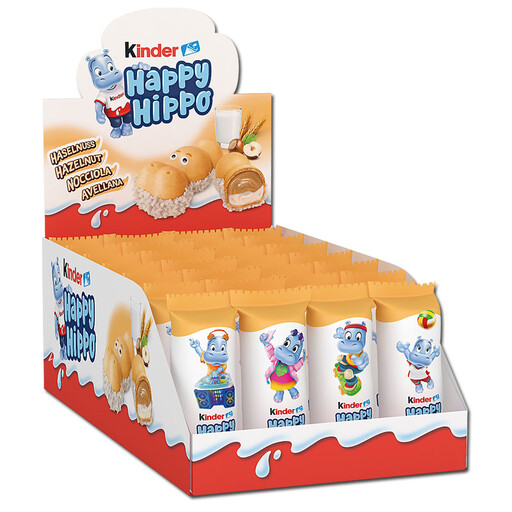
Why it's a great fit: The bulk pack with 28 individually wrapped bars is ideal for stocking up. The bars fit perfectly into lunch boxes and are popular with children due to their shape and creamy filling.
By purchasing the bulk pack, the price per bar is significantly lower than buying smaller packs, which is easier on the budget.
A combination of a crispy wafer and a double filling of milk and hazelnut cream. According to the manufacturer, the hazelnut content is 12.4%.
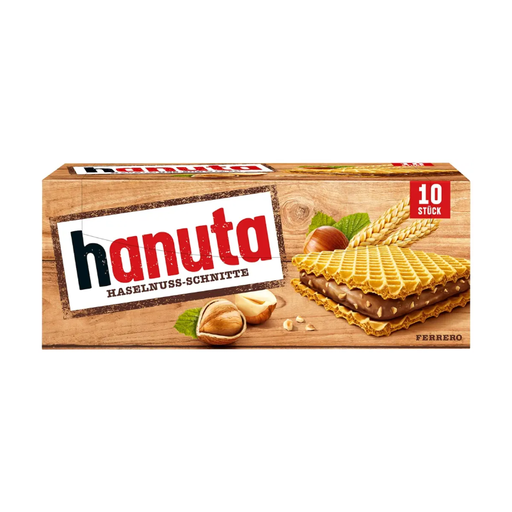
Why it's a great fit: Hanuta is an established classic, known for its distinctive taste. The combination of two wafers with a cocoa cream and roasted hazelnut pieces appeals to lovers of textured snacks.
The product relies on a solid 13% hazelnut content and real, roasted hazelnut pieces, which provide an authentic taste and crunch.
The square, double-wafer format is distinctive and offers a balanced ratio of crispy wafer to creamy filling with nut pieces.
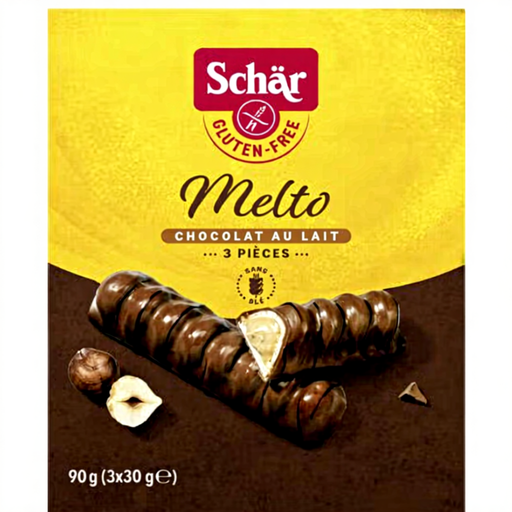
Why it's a great fit: These bars are specially developed for people with gluten intolerance. They offer the enjoyment of a chocolate-coated wafer bar without containing wheat or gluten.
The product serves a specific niche, offering a solution for consumers who have to avoid standard products due to allergens.
Certified gluten- and wheat-free. According to the manufacturer, the hazelnut paste makes up 57% of the product, suggesting an intense flavour.
We have compiled a complete, up-to-date list of products that fully meet these strict selection criteria.
1. How do I store hazelnut wafers correctly to keep them crispy? Most hazelnut wafers should be stored in a cool, dry place. After opening the main package, it is advisable to keep the wafers in an airtight container to protect them from moisture. This prevents the wafers from becoming soft and preserves their crispiness.
2. Are there hazelnut wafers without palm oil? Yes, some manufacturers deliberately avoid palm oil and use other vegetable fats such as coconut or sunflower oil instead. A look at the ingredients list will provide this information. Brands that focus on sustainability often indicate this on the packaging as well.
3. What is the difference between hazelnut wafers and biscuits with hazelnut cream? The main difference lies in the texture and composition. Hazelnut wafers typically consist of thin, crispy wafer sheets layered with hazelnut cream. Biscuits with hazelnut cream, such as Nutella Biscuits, are made from a firmer shortbread-style or hard biscuit that is filled with cream. The texture here is more crumbly and less light and airy than that of a wafer.