
Lieferung heute & morgen

Qualitätsgarantie

Willkommens-Angebote freischalten: KOSTENLOSE Lieferung | Bis zu 80 % RABATT | Kostenlose 30-Tage-JoyPlus-Testphase
App herunterladen
The headphone market is overwhelming. Hundreds of models boast ever-newer features, but not every innovation is worth the premium. Many consumers invest in devices that disappoint in daily use because crucial details get lost in the marketing hype. As your Joybuy Product Recommendation Officer, I'm here to help you cut through the noise and navigate the common pitfalls.
Before you make a decision, you should be aware of three common marketing traps that lead to frustration and unnecessary expense:
To avoid a bad purchase, focus on verifiable technical specs that directly match your usage needs. Three features are particularly important.
The IP (Ingress Protection) rating indicates how well a device is protected against the ingress of foreign objects (first digit) and water (second digit). For headphones, the second digit is usually the most relevant, often shown as "IPX."
Focus primarily on the battery life per single charge. This value tells you how long you can use the headphones continuously. For long workdays, flights, or commutes, at least 5–7 hours is recommended. While the total runtime with the charging case is a useful indicator of mobile independence, it's secondary for daily use. Modern wireless headphones and TWS earbuds should also offer a fast-charging feature that provides one to two hours of playback in just a few minutes.
Connection stability is crucial. Bluetooth headphones with the Bluetooth 5.2 standard or higher generally offer a more reliable and energy-efficient connection. Furthermore, specialised models have become established for specific use cases:
Instead of presenting an overwhelming list, we've selected models that meet specific user needs and avoid the pitfalls mentioned.

Why This Fits Their Persona: This model is a solid choice for daily use—from music and calls to occasional gaming. It offers balanced performance without breaking the bank, making it ideal for students or as a reliable secondary device.
Instead of advertising unrealistic specs, the description focuses on a 20-hour total runtime and a lightweight design—practical benefits for everyday use.
Low latency thanks to audio-video synchronisation in gaming mode and a lightweight, ergonomic design for superior comfort.
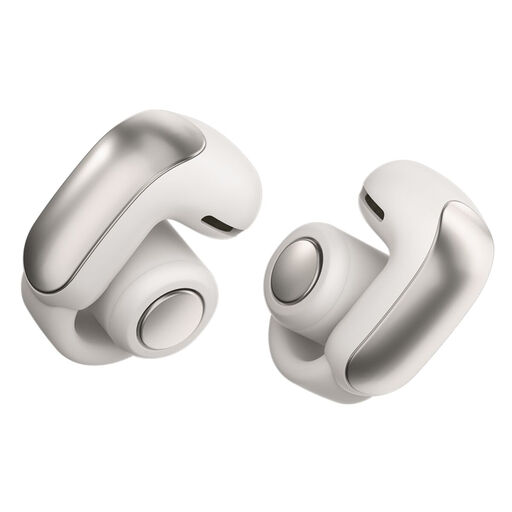
Why This Fits Their Persona: The open-ear design allows for awareness of ambient sounds like traffic, a crucial safety factor for runners and cyclists in the city. The flexible clip-on fit ensures the earbuds stay put even during intense movement.
The IPX4 certification is clearly stated as protection against sweat and splashes, not for swimming. The open design is a deliberate safety feature, not a limitation.
The OpenAudio technology provides situational awareness, while the construction ensures a secure and comfortable fit for all-day wear.
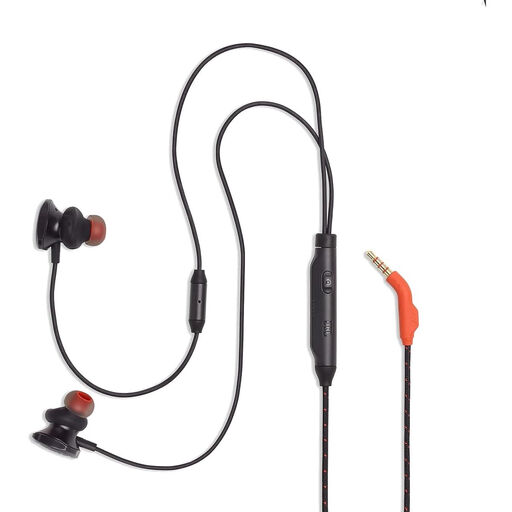
Why This Fits Their Persona: The wired 3.5mm connection eliminates all latency (delay)—a critical factor in competitive gaming where every millisecond counts. The in-line controls allow for quick adjustments to volume and microphone muting.
As a wired model, it completely bypasses the pitfalls of battery life and unstable Bluetooth connections. The focus is uncompromisingly on performance and reliability.
A latency-free connection for precision gaming and a voice-focused in-line microphone for clear team communication across all major platforms.
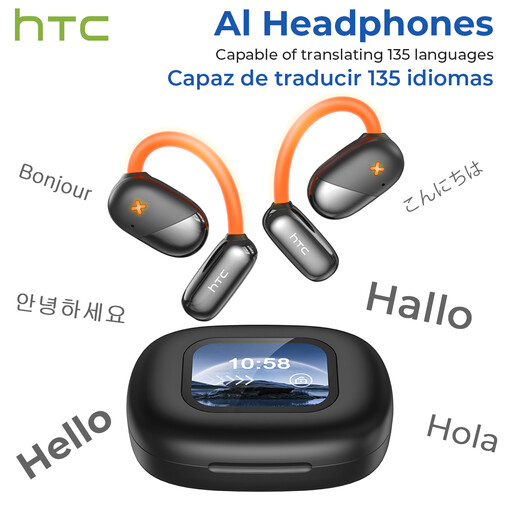
Why This Fits Their Persona: The integrated real-time translation for 135 languages is a practical tool for international travel and business meetings. The touchscreen on the charging case allows you to control features without needing your smartphone.
It's clearly communicated that the AI translation requires a dedicated app and a connection to a smartphone. This sets realistic expectations for this advanced feature.
Real-time translation functionality and a smart LCD touchscreen on the charging case for advanced controls that go beyond conventional earbuds.
We have compiled a complete, up-to-date list of products that fully meet these strict selection criteria and rigorous safety standards.
1. How long do headphones last on average? The lifespan of headphones depends heavily on use and care. For wireless models, the battery is often the limiting factor. The charging capacity of lithium-ion batteries noticeably decreases after about 2-3 years (or 300-500 charge cycles). The mechanical durability of cables, hinges, and casings can be extended with careful handling.
2. What is the difference between Active Noise Cancelling (ANC) and noise isolation? Noise isolation is a passive process where the headphones physically block sound through their design (e.g., snug-fitting in-ear tips or over-ear cushions). Active Noise Cancelling (ANC) is an active technology: microphones pick up ambient sounds, and a processor generates an opposing sound wave that neutralises the noise before it reaches your ear. ANC is particularly effective against low-frequency, monotonous sounds like airplane engines or the rumble of a train.
3. Can I connect any Bluetooth headphones to my TV? Theoretically, yes, as long as your TV supports Bluetooth audio output. In practice, however, problems can arise. The biggest is latency (audio-video delay), which causes the sound to be out of sync with the on-screen lip movements. For an optimal TV experience, headphones with special codecs like aptX Low Latency (aptX LL) are recommended. Some TVs also only allow connections with the manufacturer's own headphones. Therefore, check your TV's compatibility before purchasing.