Quiet vocal preparation
If you’re listening to a backing track and practising the lyrics or your cues in your head, without singing audibly in a quiet space, low-volume playback and a good fit are important.


For quietly preparing vocals with a backing track, well-fitting closed-back headphones or snug in-ear headphones are a good choice; keep the volume low. To monitor your own voice alongside the backing track, you’ll also need a suitable microphone and a compatible monitoring signal path. Headphones won’t make audible singing quiet in the room: the Berlin State Library asks visitors to be considerate and avoid disruptive behaviour, but other libraries have their own rules.
If you’re listening to a backing track and practising the lyrics or your cues in your head, without singing audibly in a quiet space, low-volume playback and a good fit are important.
If you want to hear your own voice alongside the backing track, your microphone, recording device and signal path all need to work together. Audible singing practice belongs in a suitable place where it’s permitted.
If you’re practising passages repeatedly or carrying your headphones between practice locations, comfort, portability and compatible connections also matter.
First, make sure you can keep playback quiet at your library desk. If you want to monitor your voice live, check the signal path too; comfort and connectivity should suit your device and how long you plan to wear them.
Suitable if: you want to listen to backing tracks repeatedly or monitor your voice through a suitable recording device.
Consider: the fit, padding and connection need to be right; this design won’t make your voice quieter in the room.
Suitable if: compact size and well-fitting ear tips are important to you.
Consider: passive isolation depends on the fit; an attenuation rating doesn’t tell you whether other people can hear your playback.
Suitable if: you mainly want to listen wirelessly to an existing backing track and don’t need reliable live monitoring.
Consider: ANC is designed to reduce the noise you hear around you; Sony notes that it may be less effective in quiet surroundings.
Suitable if: you can listen critically somewhere else without sound leakage disturbing anyone.
Consider: potential sound leakage is a significant drawback in a quiet library.
| Priority | What to check when buying | Who it matters most to |
|---|---|---|
| Keep playback quiet | Closed earcups or well-fitting ear tips; check playback volume in the place where you plan to use them. | If I want to avoid disturbing others with the backing track, I look for a good fit and quiet playback. Around 40% of consumers put this first. |
| Monitor your own voice | Check the microphone, headphone output and direct monitoring on the recording device. | If I want to hear my voice alongside the backing track while singing, I need a suitable signal path, not just a particular pair of headphones. Around 30% of consumers prioritise this monitoring requirement. |
| Comfort during extended wear | Test the fit and clamping force; check whether the ear pads or ear tips can be replaced. | If I’m practising passages repeatedly, a comfortable fit and compatible replacement parts matter to me. Around 20% of consumers prioritise comfort for longer listening sessions. |
| Connection and accessories | Check the device socket, plug, adapter and exact model variant. | If my headphones need to connect to a particular device or interface, I check the connection and any accessories I’ll need first. Around 10% of consumers put this compatibility first. |
ANC and passive isolation mainly affect what you hear. They won’t make your voice quieter to people around you.
Practise audible singing somewhere suitable. In a quiet space, prepare without singing audibly and keep playback volume low.
Whether you can hear your voice without noticeable delay depends on the recording device you connect and its settings.
Before buying, check for direct monitoring, a headphone output and compatibility with your backing track.
Depending on your setup, you may also need a suitable microphone or audio interface.
The DT 770 PRO 32 Ohm and the DT 770 PRO X are different models; the connection also needs to be compatible with your device.
Check the full model name, impedance variant, adapter and device socket.
A suitable adapter or replacement cable may be important for the connection you plan to use.
Figures for reducing ambient noise don’t directly show how much sound escapes or whether other people can hear your voice.
Check which model and purpose the figures refer to, make sure the fit is right and start at a low volume.
The closed-back DT 770 PRO range includes different impedance variants; the DT 770 PRO X is a separate model.
The wired HD 280 PRO is designed for monitoring while recording and for repeated listening.
The wired SE215 is a compact in-ear alternative with interchangeable ear tips.
The wired MDR-7506 is a studio option; the wireless WH-1000XM5 is designed for different uses, including listening to existing recordings.
The ATH-M40x is a closed-back, wired studio headphone option.
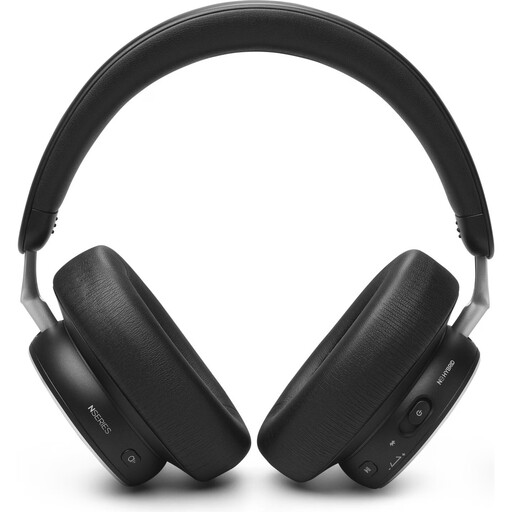
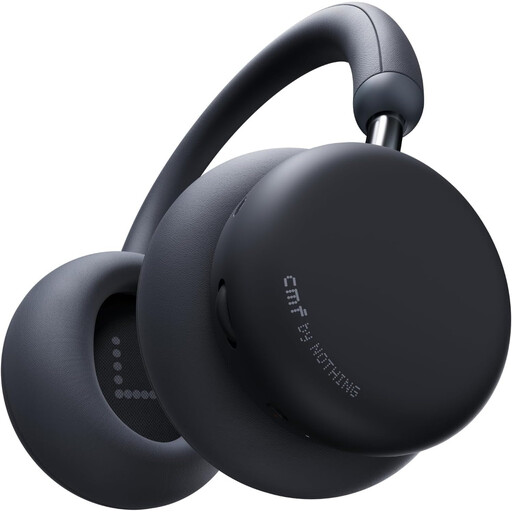
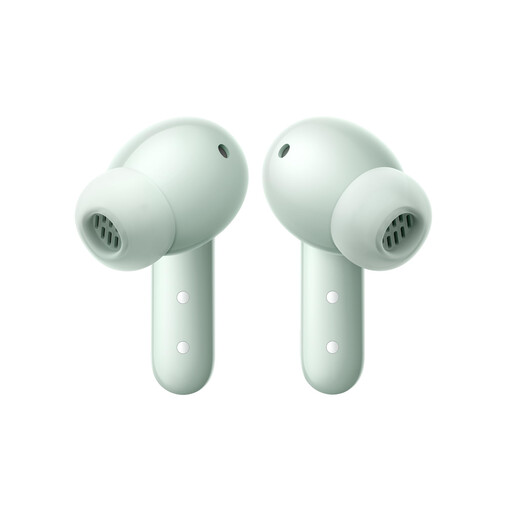
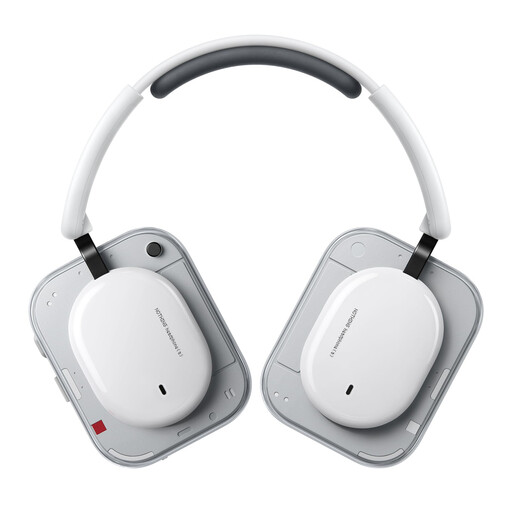
The products below are closed-back over-ear or in-ear headphones for listening to a backing track. If you choose a wireless model, check that it suits your planned monitoring setup.
 No image available
The closed-back design and wired option may be useful for listening to backing tracks; ANC won’t make your voice quieter in the room.
Bluetooth 5.3; 3.5 mm cable connection; up to 55 hours of battery life according to the product name.
 No image available
These closed-back over-ear headphones may suit listening to a backing track; ANC doesn’t guarantee low sound leakage or reduce the volume of your voice in the room.
Bluetooth 5.4; replaceable ear pads; up to 100 hours of battery life according to the product name.
 No image available
The in-ear design is a compact option for listening to backing tracks; make sure the ear tips fit comfortably and securely.
Bluetooth 5.4; ANC; up to 7.5 hours of battery life according to the product name.
 No image available
Wired and wireless connection options offer different ways to play a backing track; check which one works with your device.
40 mm drivers; Bluetooth and wired connection; ANC; up to 135 hours of battery life according to the product name.
 No image available
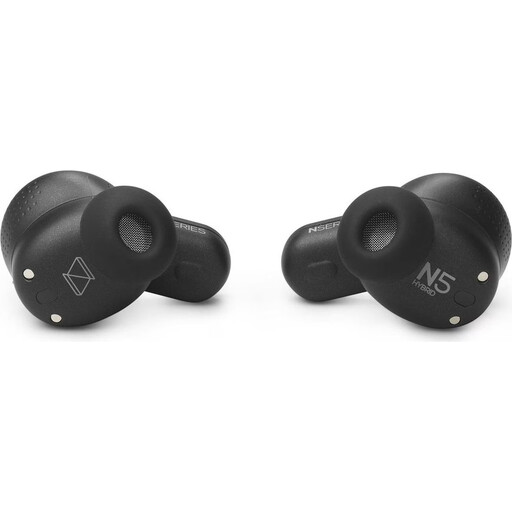
These closed-back in-ear headphones are a compact way to listen to a backing track; check that your device supports the connection method you plan to use.
Bluetooth 5.3; 2.4 GHz USB-C dongle; USB-A adapter; IP54.
No. Headphones won’t make your voice quieter in the room. The Berlin State Library’s rules ask visitors to be considerate and avoid disruptive behaviour; check the rules at your own library and whether it has practice rooms. In a quiet space, practise without singing audibly.
You’ll need a suitable microphone and a recording device with a compatible headphone output and direct monitoring. Focusrite describes direct monitoring without noticeable delay on devices set up for this purpose; check your device settings and turn off additional software monitoring if it creates a doubled signal.
The World Health Organization recommends limiting both volume and listening time, and taking regular breaks. For models with replaceable ear pads, ear tips or cables, choose replacement parts that match the exact model version.
For consumer distance contracts, § 312g BGB generally provides a right of withdrawal; § 355 BGB generally sets a 14-day period, though when it starts and any exceptions depend on the circumstances. An exception may apply to certain sealed hygiene products if the seal is removed after delivery; this doesn’t automatically mean that every opened pair of in-ear headphones is excluded. Statutory rights for faulty goods are separate from a voluntary guarantee. Under § 438 BGB, the standard limitation period for movable goods is generally two years from delivery.