When background noise is a problem, well-fitting closed-back headphones are a sensible starting point. However, the attenuation of up to 32 dB quoted by Sennheiser for the HD 280 PRO is not guaranteed for your individual fit or every household noise. Compare a familiar bass passage at a moderate volume, and check the fit and connection. If some sections are hard to hear, Audacity’s documentation says you can change the tempo without changing the pitch. The World Health Organization recommends keeping the volume low.
Who are these headphones for?
Transcribing bass lines in noisy environments
When noise in the room masks short bass passages, a good fit and isolation matter. Turning up the volume is no substitute for protecting your hearing. The World Health Organization notes that the duration and frequency of exposure to loud sounds also matter.
Comparing individual sound details
If you want to distinguish bass notes, compare familiar recordings at the same moderate volume. A quoted lower frequency limit alone does not tell you how easy it will be to pick out the notes in a particular recording; manufacturers describe their sound signatures in different ways.
Long listening sessions at your desk
If you expect to listen to a passage repeatedly, make sure the fit stays comfortable for the length of your planned session. Replaceable ear pads or cables may be useful over time. For example, beyerdynamic lists these replacement options for the 80-ohm version of the DT 770 PRO.
Which buying criteria matter when picking out bass?
Closed-back headphones
A good fit if: conversations or household noise make it hard to listen, and isolation is important.
Bear in mind: Isolation also depends on the fit. Manufacturer claims such as “up to 32 dB” for the HD 280 PRO are not a personal measurement.
Open-back headphones
A good fit if: you can sometimes listen critically in a quiet room and isolation is not a priority.
Bear in mind: Sennheiser’s recommendation of open-back models for critical listening does not prove they offer an advantage when picking out bass in noisy conditions.
First, check that the fit and design suit your noise environment. Then consider how clearly you can distinguish the bass passage, how comfortable the headphones are and whether they connect to your device.
| What matters |
What to check before buying |
Who it matters most to |
| Isolation |
Closed-back design and fit of the ear pads; test a familiar passage in your own surroundings. |
If room noise masks quiet notes, I need a fit that blocks it as well as possible. Around 33% of consumers prioritise protection from background noise. |
| Bass detail |
Compare the same familiar passage at a moderate volume; don’t assume that bass specifications mean notes will be easier to distinguish. |
If I need to tell individual bass notes and attacks apart, how the headphones reproduce my particular recording matters. Around 27% of consumers prioritise picking out bass details. |
| Comfort |
Try them on for a realistic listening session, including with glasses if you wear them; check that replacement ear pads are available for the specific model version. |
If I’m listening to a passage repeatedly, I want the ear pads and clamping force to stay comfortable for the length of the session. Around 20% of consumers prioritise comfort for longer listening sessions. |
| Connection and parts |
Check your device’s output, plug, adapter and the exact version’s contents; find out whether the cable or ear pads can be replaced. |
If I want to connect the headphones to a particular device and replace worn parts when needed, I need to choose a version that’s compatible. Around 20% of consumers prioritise connectivity and replaceable parts. |
Which assumptions should you avoid?
-
Assuming “up to 32 dB” means guaranteed isolation at home
Sennheiser’s figure refers to the HD 280 PRO. It does not promise the same level of attenuation for everyone or against every household noise.
Use the closed-back design as a starting point, then check how the ear pads fit you.
-
Assuming the frequency range or bass description means notes will be easier to pick out
Manufacturer specifications do not provide an independent comparison of how well a model lets you distinguish notes in your particular recording.
Compare a familiar bass passage at the same moderate volume. For difficult sections, changing the tempo without changing the pitch may also help you listen more closely.
-
Focusing only on the ear cups
Connection sizes, adapters and replaceable parts vary by model and version.
Check your device’s output against the plug, adapter and contents listed for the exact version.
Which brands are relevant to these needs?
Sennheiser
The closed-back HD 280 PRO is an option if passive isolation and replaceable ear pads are important to you.
- For the HD 280 PRO, Sennheiser quotes ambient noise attenuation of up to 32 dB and lists replaceable ear pads and a 3.5 mm plug with a 6.3 mm adapter.
- “Up to” is not a guaranteed figure for your own fit or every type of noise.
beyerdynamic
The closed-back 80-ohm version of the DT 770 PRO is worth considering if replaceable parts and a wired connection are important to you.
- For this version, beyerdynamic lists replaceable ear pads, a 3.5 mm plug with a 6.35 mm adapter and a nominal impedance of 80 ohms.
- The manufacturer’s descriptions of low frequencies are not independent evidence that bass notes in a particular recording will be easier to transcribe. Other impedance versions are not the same.
Audio-Technica
The ATH-M50x is a closed-back monitoring option if a detachable cable is important to you.
- Audio-Technica describes the model as offering passive isolation from its ear cups and having a detachable cable.
- The manufacturer’s description does not confirm a specific attenuation level in dB or an independent advantage when picking out bass notes.
Shure
The closed-back SRH840A is an option for monitoring users who want a detachable, locking cable.
- Shure lists an over-ear design, a detachable cable and a 6.3 mm adapter in the box.
- The manufacturer’s claims about sound and reduced ambient noise do not prove a measured advantage over other models.
Joybuy headphones for listening in noisy environments
The models below range from noise-cancelling over-ear headphones to on-ear options. When choosing headphones for transcribing bass, pay particular attention to the fit and noise-control specifications. Product descriptions do not prove an advantage when picking out individual bass notes.
 No image available
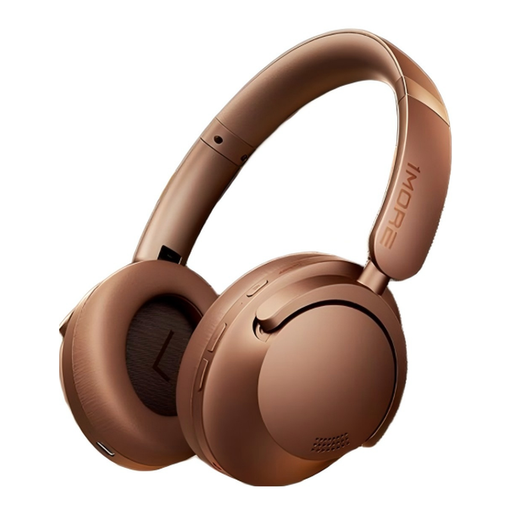
1MORE HQ51 SonoFlow Pro Global, Mocha Brown
The over-ear design and ANC are relevant features when listening in noisy surroundings. However, they do not prove an independent advantage when picking out individual bass notes.
The product description lists 40 mm drivers and Bluetooth 5.2.
View at Joybuy
 No image available
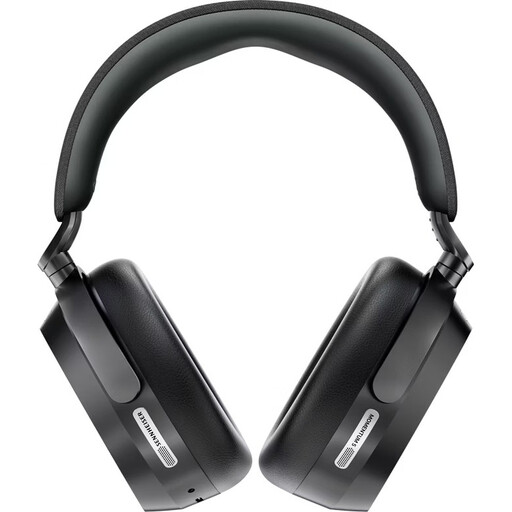
Sennheiser Momentum 5 Wireless, over-ear
The described closed-back, over-ear design and ANC may be relevant when choosing headphones for a noisy environment. They do not prove an advantage for transcribing individual bass notes.
The product description lists 42 mm drivers, Bluetooth 5.4 and an included 3.5 mm audio cable.
View at Joybuy
 No image available
JBL Tune 520BT, wireless on-ear headphones, White
The on-ear design is an alternative to the over-ear models listed here. Check that the fit and noise isolation suit your listening environment.
The product name includes JBL Pure Bass Sound. This manufacturer’s description does not prove an advantage when picking out individual bass notes.
View at Joybuy
 No image available
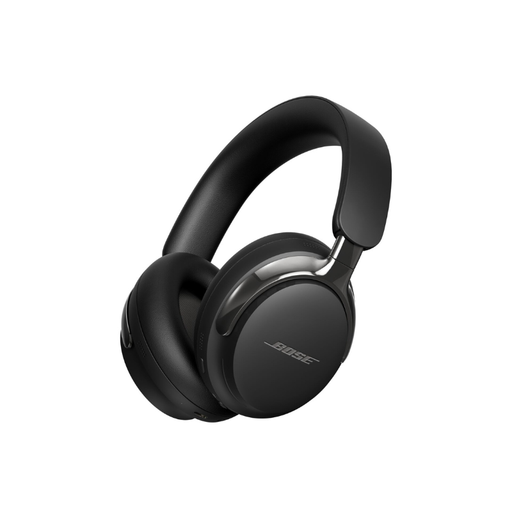
Bose QuietComfort Ultra 2nd Generation, Black
The product description lists ANC, which may be a factor when choosing headphones for noisy surroundings. It does not prove an independent advantage for transcription.
Features listed include Bluetooth 5.3, adjustable EQ and a 3.5 mm audio connection with an audio cable included.
View at Joybuy
 No image available
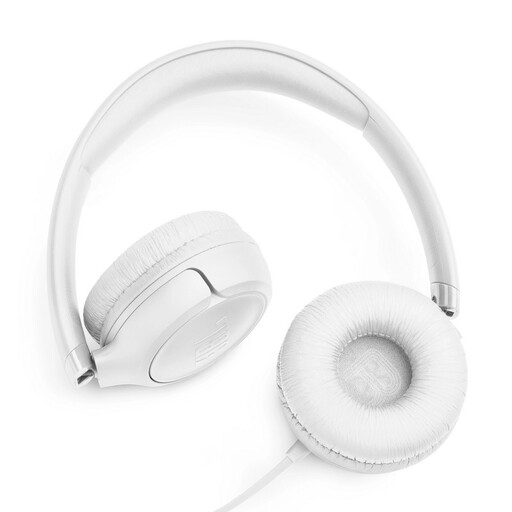
JBL Tune 530, wired on-ear headphones, White
These wired on-ear headphones are listed for devices with a 3.5 mm output. The description specifies “None” for noise control, which is important to bear in mind if you’re listening in a noisy environment.
The product name includes JBL Pure Bass Sound, but this does not prove an independent advantage when picking out individual bass notes.
View at Joybuy
Frequently asked questions
Will a particularly low frequency range automatically help with transcription?
No. Frequency specifications and descriptions of bass sound do not independently prove how well you’ll be able to distinguish notes in your particular recording. To find out, compare a familiar passage at a moderate volume.
How can I slow down a fast bass phrase without changing its pitch?
Audacity documents its “Change Tempo” feature as a way to change the tempo, and therefore the duration of a selection, without changing its pitch. Listen to difficult notes again in the unaltered section too.
Should I simply turn up the volume when there’s background noise?
No. The World Health Organization recommends keeping the volume low, taking breaks and using well-fitting headphones so that background noise doesn’t tempt you to turn it up. The organisation also says that hearing risks depend on the duration and frequency of exposure.
What are my rights if I buy faulty headphones from a business in Germany?
The EU consumer information website Your Europe states that when consumers buy from a business seller, they have a legal guarantee of at least two years from receipt of the goods. A voluntary manufacturer’s warranty does not replace this legal guarantee. The same rules do not apply in the same way to purchases from private individuals.


