If someone is sleeping within earshot, a well-fitting pair of closed-back headphones is an obvious first choice. If you’re in a quiet room with nobody sleeping nearby, open-back headphones may also be an option. The key is to listen to your own recording at a comfortable volume: a wide stated frequency range doesn’t prove that you’ll be better able to pick out individual bass notes. Then check the fit, connection and cable.
Which headphones are right for you?
If you want to pick out individual bass notes
If you listen to short sections repeatedly, try them with your own recording at a comfortable volume. Audacity explains how to adjust the tempo without changing the pitch; large adjustments can produce audible artefacts. The World Health Organization notes that volume, listening duration and how often you’re exposed to loud sounds all matter.
If you want to be considerate in the evening
If someone is sleeping within earshot, consider how much sound escapes the headphones where you’ll be listening. Closed-back headphones are an obvious first choice, but you’ll still need to check how much sound they actually let out.
If you want to check the fit and connection
If you listen to short sections repeatedly, make sure the ear pads and clamping force feel right for you. Also check that the plug, cable and, if needed, an adapter are compatible with your playback device.
What should you look for when buying?
Closed-back headphones
A good fit if: you’re transcribing next to someone who’s asleep or in a noisy room.
Things to consider: clamping force and heat build-up can be uncomfortable. Closed-back doesn’t mean complete silence for others or neutral bass reproduction.
Open-back headphones
A good fit if: you’re listening alone in a quiet room and prefer an open-back design.
Things to consider: open-back models offer little isolation, so anyone within earshot may be able to hear what’s playing through your headphones.
| Priority |
What to check when buying |
Who is this most important to? |
| Distinguishing bass notes |
Listen to a familiar passage at a comfortable volume. If needed, compare individual sections using tempo adjustment that preserves pitch. |
I want to listen to short sections repeatedly and pick out individual bass notes without turning the volume up unnecessarily. Around 36% of consumers put being able to distinguish bass notes first. |
| Keeping disturbance to others to a minimum |
At your intended listening spot, check what someone else can actually hear at your usual listening volume. |
If someone is sleeping within earshot, I want as little sound as possible to escape while I listen. Around 29% of consumers put consideration for others and sound isolation first. |
| Comfort during repeated listening |
Check the ear pads, clamping force and weight for yourself. A manufacturer’s comfort claims don’t necessarily tell you how the headphones will fit you. |
I want the ear pads and clamping force to stay comfortable while I listen to short sections repeatedly. Around 21% of consumers check the fit first. |
| Connection and cable |
Check the device output, plug type, cable routing and cable length, and allow for an adapter if needed. |
I want to connect the headphones to my playback device and be able to manage the cable easily where I’m listening. For around 14% of consumers, compatibility with their device and cable is the top priority. |
Common buying mistakes
-
Assuming “extra bass” or a wide frequency range makes transcription easier
More bass output doesn’t tell you whether you’ll be able to distinguish individual pitches in your recording at a comfortable volume.
Try listening to your own passage and, if needed, compare a short slowed-down section with the unaltered original.
-
Choosing open-back headphones when someone is sleeping within earshot
With open-back headphones, people nearby may be able to hear the sound from your headphones.
In this situation, first consider a well-fitting pair of closed-back headphones and check how much sound escapes where you plan to listen.
-
Leaving impedance, plug or cable checks until after you’ve bought them
For the DT 770 PRO, the manufacturer recommends the 32, 80 and 250 Ohm versions for different types of device. The plug and cable length can also make a difference.
Before ordering, check the full model variant against the output on your playback device.
Key brands at a glance
beyerdynamic
The DT 770 PRO is a closed-back, wired pair of headphones; the DT 770 PRO X is a separate model with a detachable cable.
- beyerdynamic offers the DT 770 PRO in 32, 80 and 250 Ohm versions, recommending them for mobile, studio and professional equipment respectively. The manufacturer also lists replaceable ear pads and spare parts for the DT 770 PRO.
- The different versions aren’t interchangeable. The 48 Ohm impedance and 305 g weight without cable apply to the DT 770 PRO X. Manufacturer specifications don’t prove how well you’ll be able to pick out individual bass notes with a particular model.
Audio-Technica
Audio-Technica describes the ATH-M40x as a closed-back, foldable, wired monitor headphone.
- Audio-Technica lists two detachable cables for the ATH-M40x.
- Manufacturer claims about isolation and sound reproduction don’t prove that the headphones will fit you or that you’ll be able to pick out specific bass notes.
AKG
The K371 is a closed-back, foldable studio headphone supplied with several detachable cables.
- AKG lists a weight of 255 g and three detachable cables: straight cables measuring 1.2 m and 3 m, and a coiled cable measuring 1.2 to 3 m.
- The manufacturer’s claims about neutral sound and comfort are no substitute for trying the fit and listening to your own recording.
Sennheiser
The HD 560S is an open-back over-ear headphone for listening in a quiet spot.
- Sennheiser lists an open-back design, velour ear pads and a detachable cable.
- The open-back design is less suitable if you don’t want people within earshot to hear what you’re listening to. Claims about accuracy and bass come from the manufacturer.
Sony
The MDR-7506 is a wired over-ear headphone from Sony’s professional range.
- Sony lists a weight of 260 g without cable and a stereo mini-jack plug; an adapter is included in the stated package contents.
- These specifications don’t tell you whether the headphones will fit you or offer any advantages over other models for transcription.
Joybuy products for listening to basslines in the evening
This Joybuy selection includes over-ear models for listening to basslines in the evening, including wireless options and models with an additional wired connection. Test the bass notes with your own recording and consider whether someone is sleeping within earshot.
 No image available
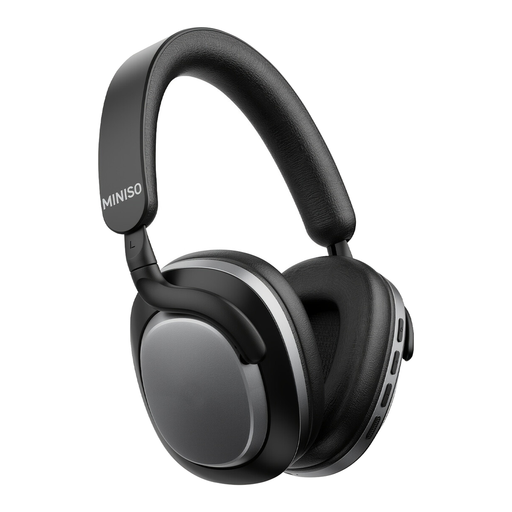
MINISO MG210 wireless over-ear headphones, black
A wireless over-ear option if you’d rather listen without a cable. Try them with your recording to see whether you can distinguish the bass notes clearly.
Bluetooth 6.0 is listed in the product description.
Joybuy
 No image available
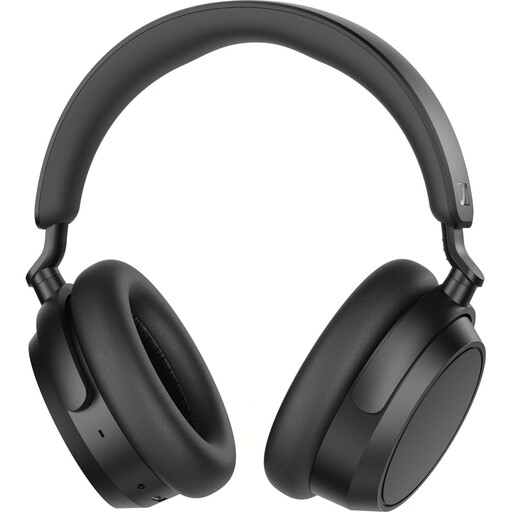
Sennheiser ACCENTUM Plus Wireless over-ear headphones, black
The closed-back design described may be a good option if someone is sleeping within earshot. Check how much sound escapes and how the bass sounds with your recording.
The product description mentions a detachable cable and wired listening. The product title lists Bluetooth 5.2 with aptX and 50-hour battery life.
Joybuy
 No image available
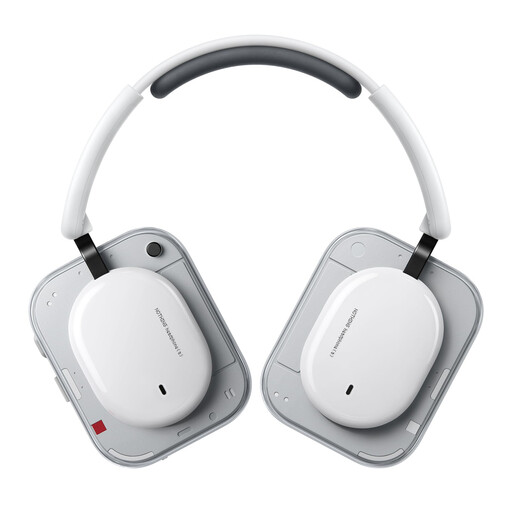
Headphone (a) wireless over-ear headphones, 40 mm, white
An over-ear option with both wireless and wired connections. Check compatibility with your playback device and test the bass notes with your recording.
The product title lists 40 mm drivers, LDAC, Bluetooth and a wired connection.
Joybuy
 No image available
JBL Tune 780NC over-ear headphones, black
If you want to use a wired connection, first check that the connections are compatible with your playback device. You can assess whether the headphones help you pick out individual bass notes by listening to your recording.
The product title lists wireless use and active noise cancelling. The product description mentions Bluetooth and 3.5 mm jack and USB-C connections.
Joybuy
 No image available
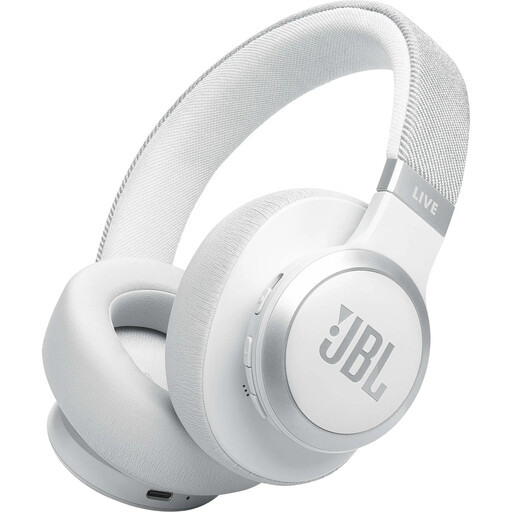
JBL LIVE 770NC wireless over-ear headphones, white
If you want to use a cable where you’re listening, check that the cable and connection are compatible with your playback device. Test the bass reproduction with your own recording.
The product title lists wireless use and a microphone. The product description specifies a detachable audio cable.
Joybuy
Frequently asked questions
Should I simply turn up the volume to hear a bassline?
No. If possible, listen at a comfortable, low volume and take breaks. The World Health Organization explains that sound exposure depends on volume, duration and frequency.
How can I slow down a tricky passage without changing the notes?
Use a feature that adjusts the tempo without changing the pitch, then compare a short edited section with the original. Audacity documents this feature; large adjustments can produce audible artefacts.
What should I check about connections and maintenance?
Check the plug and any adapter you may need against the output on your playback device. If detachable cables or replaceable ear pads matter to you, check which parts are listed for the exact model you’ve chosen.


