Learners listening to quiet dialogue
If you want to understand both languages and quiet speakers in your course, test the quietest parts at a comfortable volume rather than turning the volume up across the board.


For a quiet study space, wired headphones may be all you need. If background noise is a problem, a good fit and, where appropriate, ANC matter more than simply turning up the course. Check the quietest parts of your own course material, how comfortable the headphones feel and whether they connect to your playback device. Manufacturer claims about sound or noise cancellation do not automatically mean that quiet voices in a course will be easier to understand.
If you want to understand both languages and quiet speakers in your course, test the quietest parts at a comfortable volume rather than turning the volume up across the board.
If background noise drowns out quiet passages, a good fit and the right level of noise reduction for you are important. Also consider whether you need an ambient sound mode.
If you listen to long lessons in one quiet place, compare comfort and check whether a wired connection works with your playback device, or whether wireless features matter more to you.
| What matters to you | What to check before buying | Who should pay particular attention |
|---|---|---|
| Understanding quiet voices | Compare the quietest parts and both languages using your own course material. | If you do not want to compensate for quiet dialogue by constantly turning up the volume, speech clarity is your priority. Around 36% of consumers are likely to have this as their main concern. |
| Dealing with background noise | Check the fit, ANC and, where appropriate, an ambient sound mode in the place where you actually study. | If you often study somewhere noisy but do not want to simply turn up the volume, noise isolation matters. Around 29% of consumers are likely to prioritise dealing with background noise. |
| Comfort during long lessons | Try them on for a realistic lesson length; weight alone does not tell you whether a pair will feel comfortable. | If you listen for longer periods, your headphones should feel comfortable throughout the lesson. Around 21% of consumers are likely to put comfort first. |
| The right connection | Check your device’s socket, any adapter you may need and whether you want wired or battery-powered headphones. | If you want to connect your headphones easily to the playback device you already own, the right connection is essential. Around 14% of consumers are likely to put this first. |
The strain on your hearing depends on both volume and duration. So listening to an entire lesson at a higher volume just because a few passages are quiet is not a good default.
First check the fit, background noise and recording. Start at a low volume and take breaks during longer sessions.
Noise cancellation is designed to reduce background noise. It does not mean that a voice which is unclear or quiet in the recording itself will sound clearer.
Try the problem passage with your course material rather than assuming that ANC or call-related claims mean speech will be easier to understand.
The open-back design of the Sennheiser HD 560S does not block out your surroundings like a closed-back model.
Consider open-back headphones mainly for quiet study spaces, and compare closed-back models too if background noise is a problem.
The HD 560S is an open-back, wired over-ear option for quiet study spaces.
Sony describes the WH-1000XM6 as closed-back wireless headphones with ANC, an ambient sound mode and a cable input.
The QuietComfort Headphones (2nd Gen) are an over-ear option with ANC and Aware Mode.
JBL describes the Tune 780NC as wireless over-ear headphones with ANC and Smart Ambient.
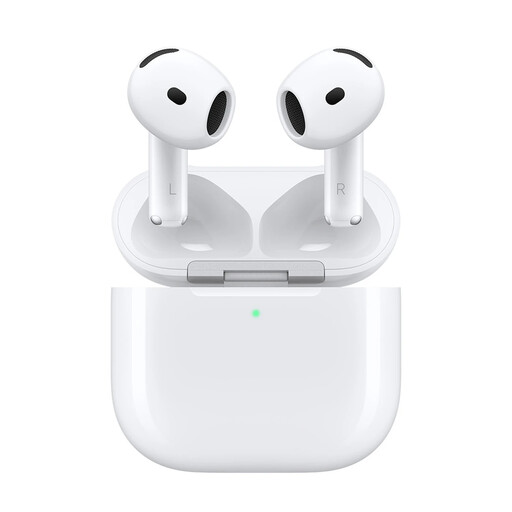
The following Joybuy models include wireless in-ear and over-ear headphones, as well as a wired in-ear option. Before choosing, check the quietest parts of your course, the fit and the connection.
 No image available
A wireless in-ear option if you want to listen to lessons without cables; check the fit and the quietest passages with your course material.
Bluetooth 5.4; charging case with Type-C connection.
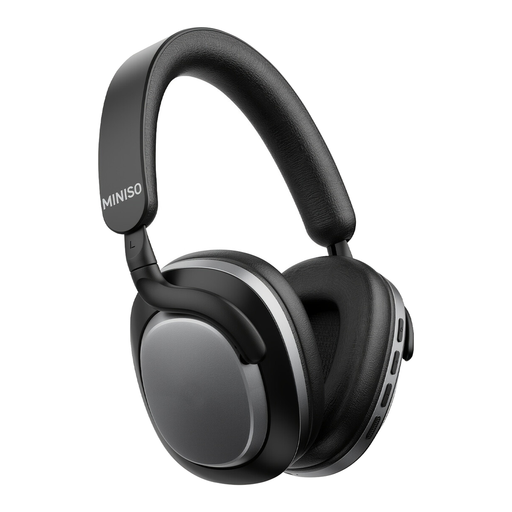 No image available
Could be worth considering for longer listening sessions if you are looking for wireless over-ear headphones; check comfort and how clearly you can hear your course material.
The product title mentions noise cancellation and 24 hours of battery life.
 No image available
An open design for anyone who does not want silicone ear tips that seal the ear. It differs from a sealed in-ear fit, so check whether it suits your study space.
The product title mentions Active Noise Cancellation; the description also mentions a Transparency mode.
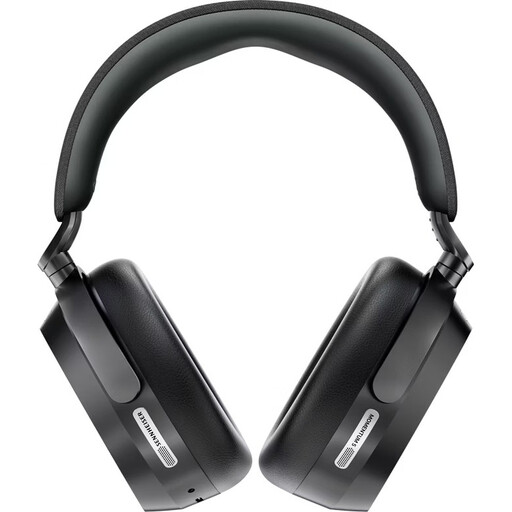 No image available
A closed-back over-ear option for study spaces with distracting background noise; compare ANC and speech clarity using your course material.
The product title mentions ANC, Bluetooth 5.4 and up to 57 hours of battery life. The description also mentions a 3.5 mm audio cable.
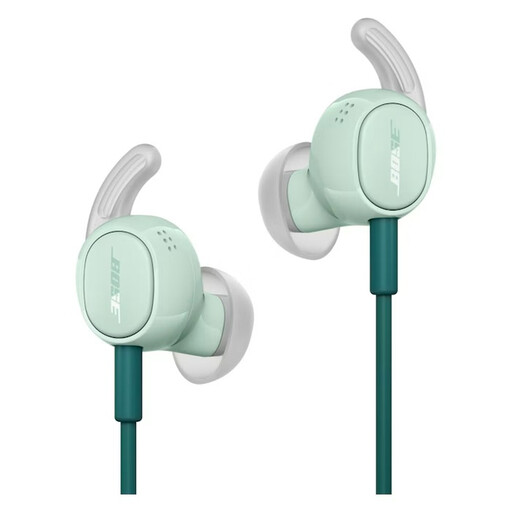 No image available
A wired option if you want to listen without charging or pairing over Bluetooth; check whether your playback device supports USB-C audio.
The description mentions ANC with Quiet and Aware modes, as well as a choice of ear tip sizes.
No. ANC is designed to reduce background noise; the best way to check whether a particular course recording is clear is to listen to that recording. In noisy environments, well-fitting noise-cancelling headphones may help reduce the need to turn up the playback volume, according to the World Health Organization.
First, check the connection or pairing and make sure they fit well. Start at a low volume and pay particular attention to the quietest parts of your course. The World Health Organization recommends keeping both volume and listening time in mind, and taking regular breaks.
Your statutory rights against the seller are separate from any voluntary manufacturer’s warranty. Online purchases generally come with a right to cancel within 14 days of receiving the goods; you must notify the seller that you are cancelling, as simply returning the item without comment is not enough. The consumer advice centre recommends checking the terms of your specific purchase.
There is no simple yes or no that applies to every traffic situation. Section 1 of the German Road Traffic Regulations requires constant care and mutual consideration, so do not study at the expense of being aware of your surroundings.