Students in quiet surroundings
If you listen to quiet entries repeatedly in a calm room and won’t disturb anyone, an open-back model could be a good fit. Open-back designs offer little isolation, as music retailer Thomann also points out.


For quiet choir passages in a calm, private listening space, a wired, open-back over-ear headphone is a sensible place to start. If there are other people or distracting noises nearby, a well-fitting closed-back model may be a better choice. When you’re out and about, noise cancelling can make your surroundings seem quieter, but it won’t remove interference from the recording. Check the relevant passages at a moderate volume, and make sure the headphones fit well and connect to your playback device.
If you listen to quiet entries repeatedly in a calm room and won’t disturb anyone, an open-back model could be a good fit. Open-back designs offer little isolation, as music retailer Thomann also points out.
If there are other people or noises nearby, fit and passive isolation become more important. Closed-back models such as the beyerdynamic DT 700 PRO X use this design, though how well they fit will depend on your individual fit.
If you listen in different, sometimes noisy environments, you’ll need to weigh up isolation and listening modes against the conditions at home. Sony describes the WH-1000XM6 as a model with noise cancelling and wired listening; its features alone don’t tell you how a particular recording will sound.
A good fit if: you mostly listen on your own in a quiet setting. Sennheiser describes the HD 560S and beyerdynamic the DT 900 PRO X as open-back models.
The trade-off: music retailer Thomann notes that open-back headphones offer little isolation and let sound escape.
A good fit if: you listen in a shared space or want to reduce ambient noise through passive isolation. The DT 700 PRO X, ATH-M50x and K371 are examples of this design.
The trade-off: isolation depends on how the ear pads fit; pressure and warmth may become uncomfortable during longer sessions.
A good fit if: you often listen on the go or around persistent background noise, and wireless use matters to you. The WH-1000XM6 is one example of this feature set.
The trade-off: battery life and listening mode also matter. Noise cancelling won’t remove interference that’s already part of the recording.
| Priority | What to check when buying | Who is it important to? |
|---|---|---|
| Quiet voices and entries | Compare the same familiar choir passage at a similar, moderate volume. Check how it sounds on your playback device. | If I want to check quiet entries repeatedly, I need to be able to make them out at a moderate volume. Around 36% of consumers put picking out quiet choir passages first. |
| Ambient noise and sound leakage | Check whether the ear pads fit well with your usual glasses or hairstyle. Assess the isolation in a similar listening environment. | If there are other people or noises nearby, I look for good isolation and comfortable ear pads for longer sessions. Around 29% of consumers prioritise isolation in a shared listening space. |
| Quiet passages on the go | Compare the same passage with noise cancelling on and off at a moderate volume. Also check battery life, wired mode and the connection to your device. | If I’m listening around background noise while out and about, I want to follow the recording without having to turn it up just for that reason. Around 21% of consumers prioritise listening on the move in noisy surroundings. |
| Long sessions and connectivity | Try the fit and clamping force for as long as possible. Check the plug, whether you’ll need an adapter and which replacement parts are available for the specific model. | If I listen repeatedly for long periods, I look for comfortable ear pads and a suitable connection. Around 14% of consumers prioritise comfort, connectivity and long-term use. |
Open-back headphones offer little isolation and let sound escape. Background noise can make quiet passages harder to hear, and other people may be able to hear what you’re listening to.
Start by choosing between open-back and closed-back designs based on where you’ll be listening. Then compare the specific recording.
Noise cancelling reduces sounds in your listening environment; it won’t automatically remove hiss or bring out voices that are masked in the recording itself.
Compare the same passage with noise cancelling on and off, and assess the recording separately from the sounds around you.
A single technical specification won’t tell you how comfortable the headphones are or how a choir recording will sound on your playback device. A fit that’s too tight can become uncomfortable during longer sessions.
Check the fit and connection, and listen to a familiar quiet passage at a moderate volume.
The open-back, wired HD 560S is an option for comparing recordings in a quiet setting.
The wired PRO X line includes both open-back and closed-back models: the DT 900 PRO X and DT 700 PRO X.
The ATH-M50x is a closed-back, wired option if you’re looking for passive isolation.
The closed-back, foldable K371 is another option for passive isolation and portability.
The closed-back WH-1000XM6 adds Bluetooth and noise cancelling to the range for noisy listening environments.
The Joybuy products below include wired and wireless over-ear models. Check that the connection and design suit your listening space.
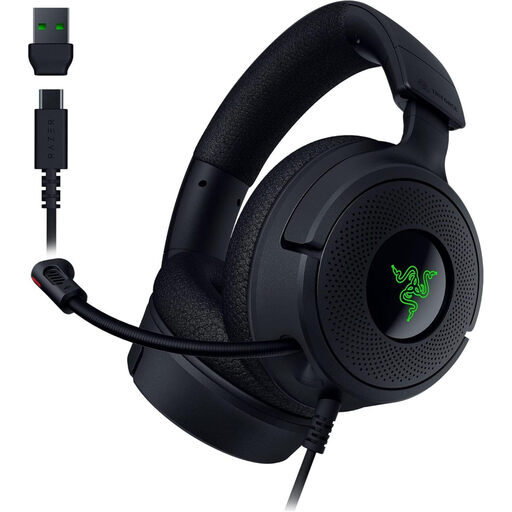 No image available
An option if you’re looking for a wired over-ear headset; check that the USB connection works with your playback device.
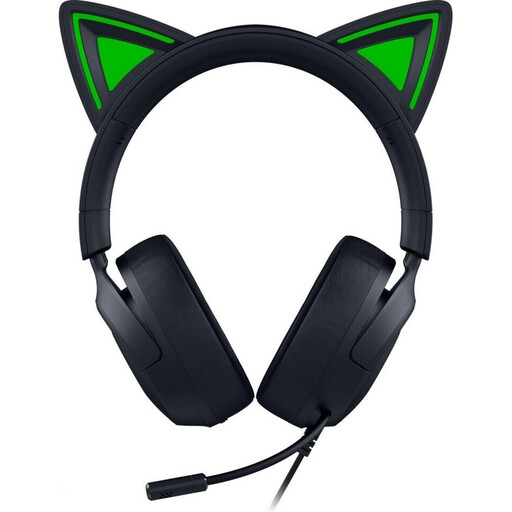 No image available
Could be a good fit if you’re looking for a wired over-ear model. Before buying, check that the 3.5 mm connection works with your device.
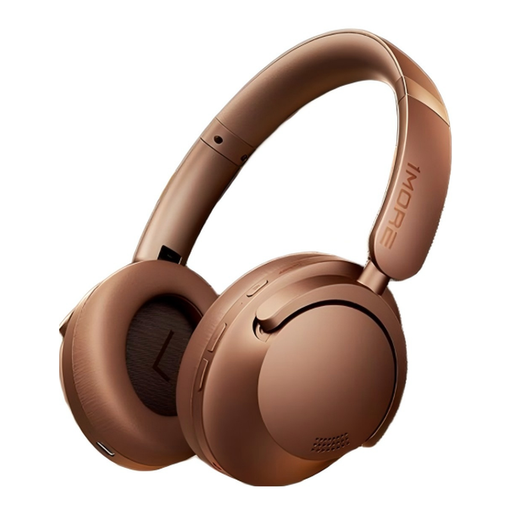 No image available
A wireless over-ear model with noise cancelling could be an option if you listen around background noise. Check the connection to your playback device and compare how it sounds with a recording you know well.
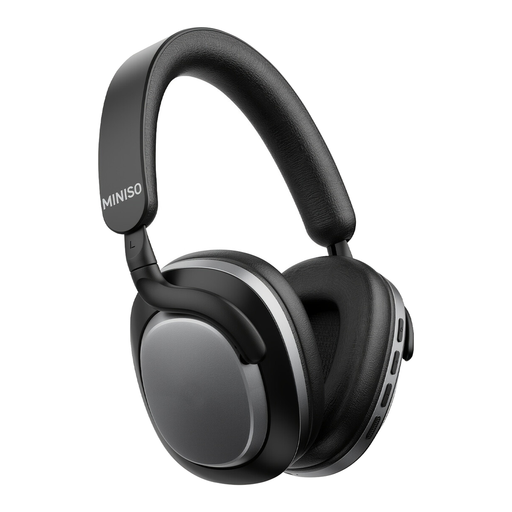 No image available
A possible choice for wireless listening around background noise. Check the connection and decide whether the fit and noise cancelling suit your listening space.
 No image available
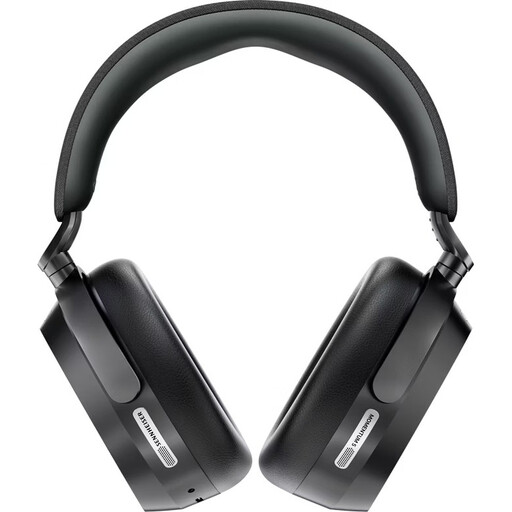
This closed-back model with active noise cancelling could suit listening situations with background noise. Check whether you can connect it to your playback device via Bluetooth or an audio cable.
First, try listening somewhere quieter or, if there’s background noise, using well-fitting headphones that offer good isolation. The World Health Organization recommends listening at a moderate volume and notes that both volume and listening time matter. Noise cancelling can reduce the need to turn up the volume when there’s background noise.
That depends on the connection on your playback device and the specific model. beyerdynamic specifies a 3.5 mm jack plug with a 6.35 mm adapter for the DT 900 PRO X. Check your device’s connection rather than assuming compatibility based on impedance alone.
Check how the ear pads fit and which wear-and-tear parts are available for your model. beyerdynamic lists ear pads and cables, among other replacement parts, for the DT 700 PRO X and DT 900 PRO X.
When you buy as a consumer online, you generally have the right to cancel your order. The Verbraucherzentrale (German consumer advice centre) states that this is usually 14 days from receipt of the goods, although statutory exceptions may apply. For goods bought by consumers from a business seller, the EU’s Your Europe portal specifies a legal guarantee of at least two years from receipt. Check the details provided by the specific seller and the returns information; a voluntary manufacturer’s guarantee is separate.