Listen closely to pick out chords
If you listen to a song in sections before bed, you can judge the sounds for yourself. To see chord names on screen, you’ll need a separate feature, such as Moises’ chord finder.


If you want to compare chord changes closely while sitting upright in a quiet room, open-back headphones may suit you. In noisier surroundings, a closed-back model is an alternative. For listening on your side, consider low-profile sleep earbuds instead, and check how they fit while lying down. None of the headphones described here identify chords automatically – you’ll need a separate chord-finder feature for that.
If you listen to a song in sections before bed, you can judge the sounds for yourself. To see chord names on screen, you’ll need a separate feature, such as Moises’ chord finder.
If you listen to music in bed or as you’re falling asleep, pressure on your ear and how the headphones fit when you’re lying down are important things to consider.
If noise in the room makes it harder to follow particular parts of a song, consider sound isolation and noise cancellation. Also think about whether you need to hear people or important sounds around you.
A good fit if: you listen while sitting upright in a quiet room and have a compatible audio connection.
Things to weigh up: Open-back headphones aren’t suited to a noisy or shared room. Consider the cable and design before lying down.
A good fit if: you want to block out more background noise while listening upright.
Things to weigh up: A closed-back design doesn’t mean the headphones are suitable for lying on your side. If a model comes in different impedance options, make sure you choose one that works with your audio source.
A good fit if: you want to listen wirelessly and use noise cancellation in a noisy environment.
Things to weigh up: ANC doesn’t replace a chord-identification feature, or checking whether over-ear headphones are comfortable to wear in bed.
A good fit if: you really want to listen to music on your side or as you’re falling asleep.
Things to weigh up: Ear tip sizes and the seal affect how well they fit you. According to soundcore, a tighter seal may be less comfortable.
| What matters | What to look for when buying | Who is this especially important to? |
|---|---|---|
| Judging parts of a song | Compare playback using familiar songs; don’t confuse sound descriptions with automatic chord recognition. | If I want to listen out for chord changes repeatedly, playback quality matters to me, not a promise of automatic analysis. Around 36% of consumers put judging parts of a song first. |
| Comfort when lying down | Check the design, ear tip sizes and fit in the position you plan to lie in. | If you want to listen to music on your side in bed or as you’re falling asleep, it’s especially important to make sure your earbuds work with your sleeping position. Around 29% of consumers prioritise comfort when lying down. |
| Dealing with background noise | Weigh up a closed-back design or ANC, and consider whether you need to be able to hear sounds around you. | If noise in the room makes it harder to listen, I want to follow parts of a song without turning the volume up unnecessarily. Around 21% of consumers prioritise dealing with background noise. |
| Connection and listening time | Check the connection on wired models; compare battery life figures only for the playback mode you’ll actually use. | If I’m listening for longer, the connection and playback mode need to suit my audio source and planned listening time. Around 14% of consumers focus on connection and listening time. |
A manufacturer’s description of a headphone’s sound profile doesn’t mean it displays chord names. You may need a separate chord-finder feature for that.
Decide separately whether you want headphones for listening, or a software feature for chord recognition as well.
Information about sound or design doesn’t tell you whether the ear cup will press against your pillow. By contrast, soundcore specifically describes the Sleep A30 as being designed for listening on your side.
Check the fit and pressure while lying in the position you plan to use the headphones in.
The battery life figures soundcore gives for the Sleep A30 vary depending on playback and mode.
Only compare figures for the mode you’ll actually use to listen to your song.
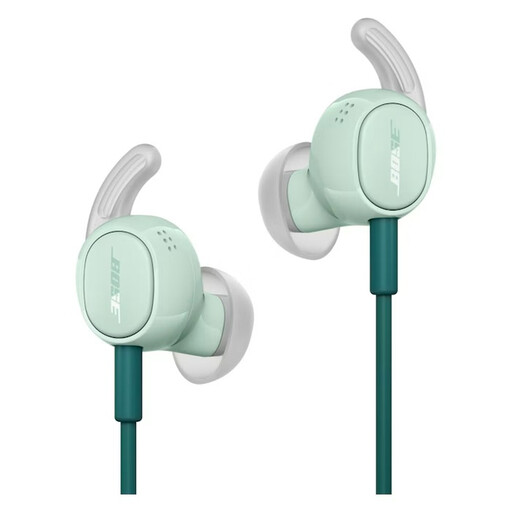
Bose states that the Sleepbuds are no longer available.
Instead, check which models are currently on sale before making a purchase.
The HD 560S is an open-back, wired over-ear model for focused listening with a compatible audio source.
The closed-back DT 770 PRO is a studio headphone option for listening upright before you lie down.
The Sleep A30 are Bluetooth earbuds that soundcore describes as suitable for listening in bed and on your side.
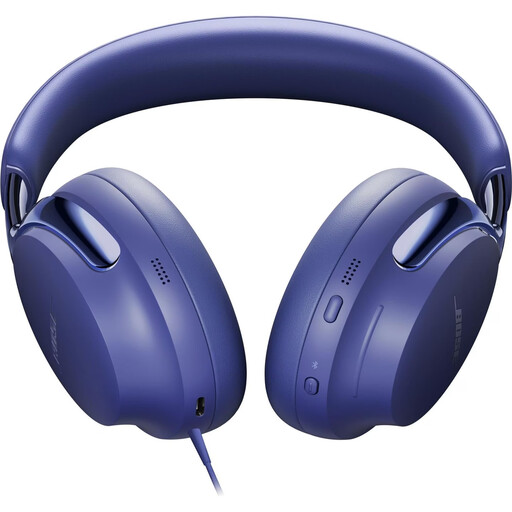
The QuietComfort Ultra Headphones (2nd Gen) are wireless over-ear headphones with ANC and adjustable EQ.
The WH-1000XM6 are closed-back wireless over-ear headphones with an additional stereo mini-jack input.
The models below include wireless and wired over-ear headphones, as well as in-ear options. One model is specifically described as being for side sleepers. Choose a design and connection that suit your listening spot, and check how it fits you.
 No image available
If you want to listen wirelessly around background noise, Bose lists ANC and adjustable EQ for this model; this doesn’t demonstrate automatic chord recognition.
 No image available
These wired in-ear headphones may suit you if your playback device supports USB-C audio.
You’ll need a compatible USB-C device for wired playback.
 No image available
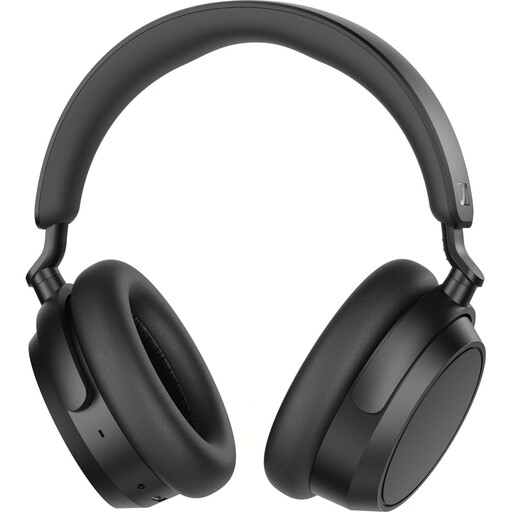
If you’re looking for closed-back over-ear headphones for repeat listening, the product name indicates that you can use them wirelessly or with a cable.
Bluetooth 5.2 with aptX and Multipoint; ANC; detachable cable; stated battery life: 50 hours.
 No image available
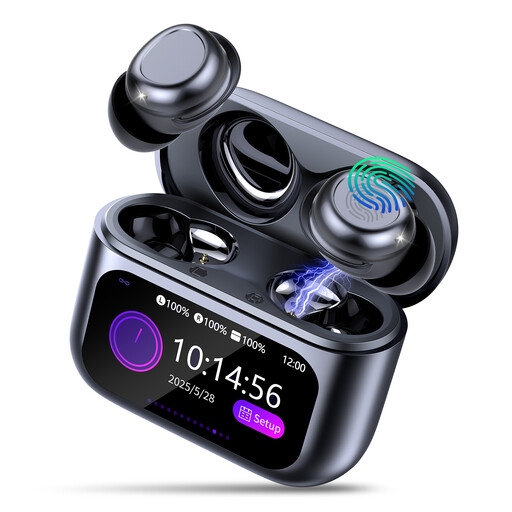
The product name describes them as suitable for side sleepers, but still check whether the fit and pressure feel comfortable when you’re lying down.
The stated ENC noise reduction is for voice transmission on calls, not music playback.
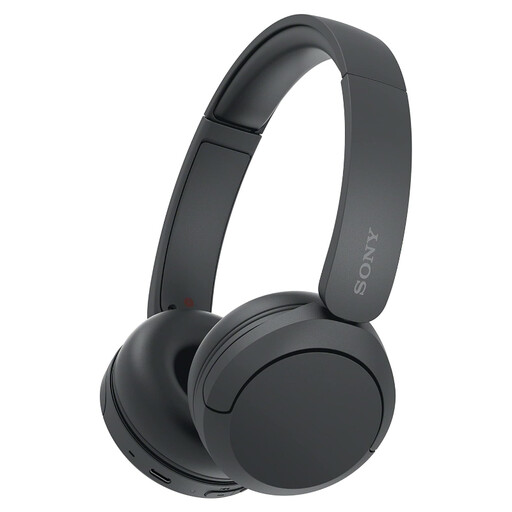 No image available
If you want to listen wirelessly, these on-ear headphones are an option to compare. Check whether the design feels comfortable in the position you plan to lie in.
There’s no evidence that the headphone models described here display chords automatically. Moises describes a separate chord finder that shows chords after you upload a song; you can check the results against what you hear for yourself.
Choose ear tips and ear wings that suit your ears, then check the fit in your usual sleeping position. If you want to listen to your own song, check the Bluetooth playback mode and how it behaves after you fall asleep.
Try to keep the volume moderate, and consider how long and how often you listen as well. The World Health Organization highlights how these factors can affect your hearing; this doesn’t mean there’s one universally safe volume level for every device.
The Verbraucherzentrale explains that retailers are generally liable for defects under a two-year statutory warranty. Many online purchases also come with a 14-day right to cancel from the date you receive your order; the conditions and possible exceptions depend on the purchase.
According to EU guidance, the manufacturer uses the CE marking to declare that the product meets the relevant EU requirements for being placed on the market. It isn’t a quality mark awarded by a central EU body, nor proof of good sound quality.