What should I look for when buying?
First, check that the design and fit are suitable for a quiet setting. Then compare the sound for your listening practice, followed by the connection, comfort and power requirements for everyday use.
| Consideration |
What to check when buying |
Who is it important to? |
| Avoid disturbing others |
Check the closed-back design and fit. Play a familiar passage at a low volume, then listen from a short distance to see if any music is audible. Follow the rules of the specific library. |
When I listen in a quiet shared space, I want to make my music as inaudible as possible to others. Around 36% of consumers put consideration for people nearby first. |
| Hear the bassline and chord changes |
Use a familiar section of a song and listen to it repeatedly to check whether you can follow the bassline and the parts that matter to you. Berklee Online describes a step-by-step listening and transcription process. |
When I want to work out chords by ear, I need headphones that let me compare individual sections carefully. Around 29% of consumers prioritise this kind of analytical listening. |
| Stay comfortable through longer listening sessions |
Try the fit for yourself rather than relying on product specifications alone. An independent review of the Audio-Technica ATH-M40x describes a snug fit that some people may find uncomfortable over time. |
When I replay sections of a song, I want my headphones to stay comfortable during longer listening sessions. Around 21% of consumers prioritise long-term comfort. |
| Listen with your own playback device |
Check the plug or Bluetooth connection and what’s included against your device. Sennheiser lists a 3.5-mm and a 6.3-mm cable for the HD 569. For wireless models, also consider how often they need charging. |
When I move between places, I want the connection and controls to work with my playback device. Around 14% of consumers prioritise portability and connectivity. |
Joybuy products for working out chords
This selection includes wired in-ear models, as well as closed-back over-ear and in-ear headphones for listening to music repeatedly. Before buying, check which design and connection will suit your library desk and playback device.
 No image available
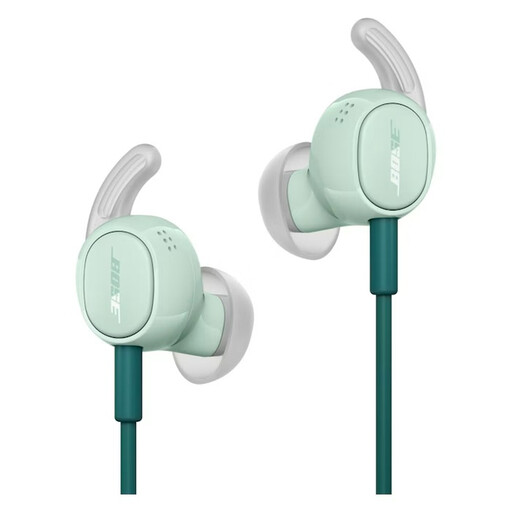
Bose Noise Cancelling Wired Earbuds, Dewdrop Mint
These wired in-ear headphones may be suitable if your playback device supports USB-C audio and the included ear tips fit you well.
USB-C audio, an in-line remote and ear tips in three sizes are listed. Quiet, Awareness and ANC-off modes are also mentioned, along with stability wings.
View at Joybuy
 No image available
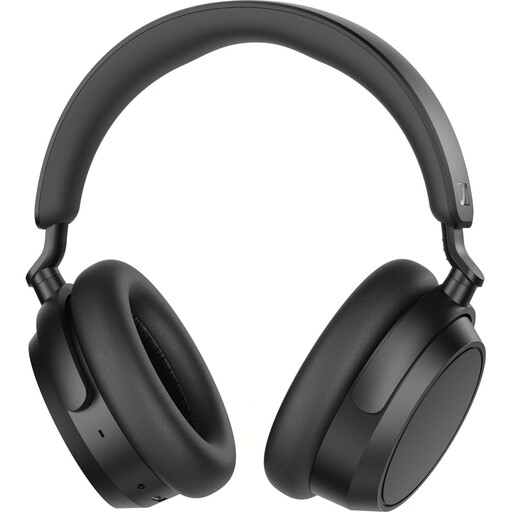
Sennheiser Accentum Plus Wireless Over-Ear
These closed-back over-ear headphones could suit longer listening sessions if you want to use Bluetooth or the detachable cable.
Bluetooth 5.2 with aptX and Multipoint, as well as ANC, are listed. The product name specifies 50 hours of battery life; check that the detachable cable and connection suit your playback device.
View at Joybuy
 No image available
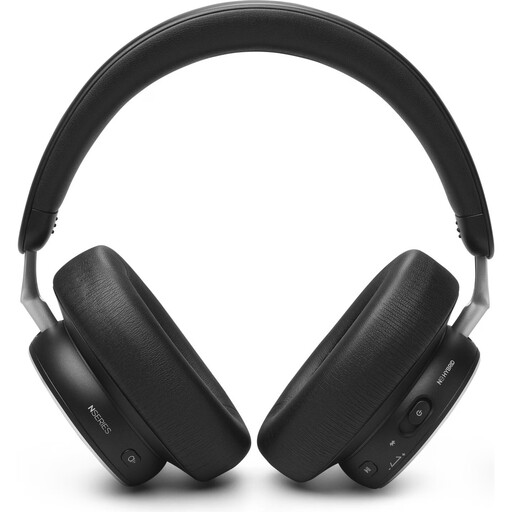
AKG N9 Hybrid Over-Ear
These closed-back over-ear headphones are designed for repeated listening, whether you want to use a wired connection or Bluetooth.
Bluetooth 5.3 with Multipoint, ANC and a 3.5-mm cable connection are listed. The product name also specifies 55 hours of battery life and a foldable design.
View at Joybuy
 No image available
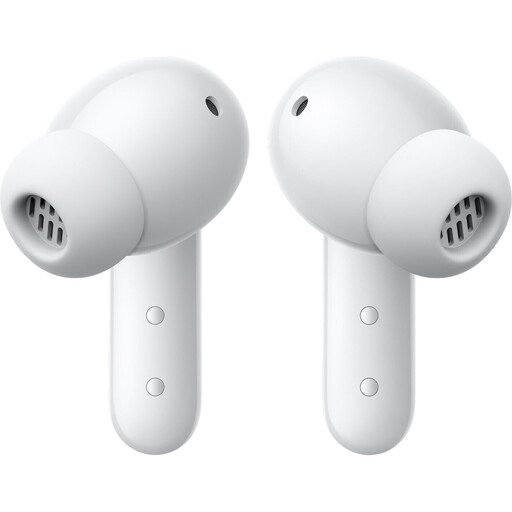
CMF Buds 2 Plus Light Grey
The in-ear design makes these a compact wireless option. Check that the fit and ear tips are comfortable for repeated listening.
Bluetooth 5.4, LDAC, an equaliser and a charging case are listed. The product name specifies up to 61.5 hours of total battery life.
View at Joybuy
 No image available
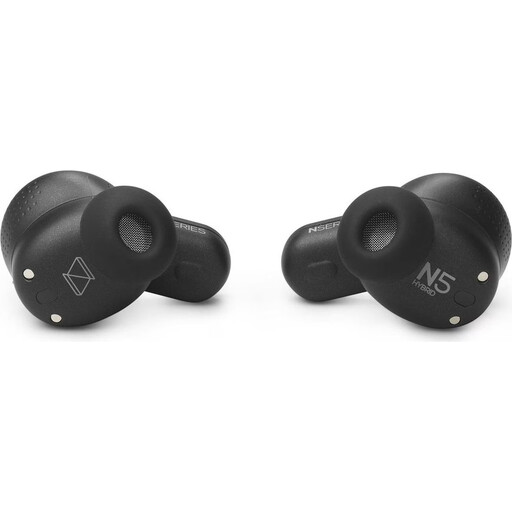
AKG N5 Hybrid True Wireless Earbuds
These wireless in-ear headphones could be suitable if you prefer a compact design and can check that they connect to your playback device.
Bluetooth 5.3 and a 2.4-GHz USB-C dongle are listed. The product name also mentions True Adaptive Noise Cancelling; working out chords is still a listening exercise.
View at Joybuy
Frequently asked questions
Can I listen to music with headphones in a German library?
It depends on the rules at the specific branch. The Berlin State Public Libraries require visitors not to disturb others and allow additional house rules, so check the local guidelines and follow staff instructions.
How can I work out chords by ear with headphones?
Listen to a short section repeatedly. Start by following, for example, the root note, then compare the chord changes. Berklee Online describes a step-by-step listening and transcription process; headphones don’t replace the practice itself.
What should I check about connections and care?
Check that your headphone output is compatible with the plug supplied. Sennheiser lists a 3.5-mm and a 6.3-mm cable for the HD 569. For models with replaceable cables or earpads, also check exactly which replacement parts will fit.
Do I need to listen particularly loudly to work out difficult chords?
No, you don’t need to turn the volume up to practise chords. The World Health Organization explains that higher volume and longer listening times increase the risk to your hearing, so keep the volume low and appropriate for your surroundings.
What rights apply when buying online in Germany?
According to Verbraucherzentrale, online purchases generally come with a 14-day right to cancel, which must be explained to you. Your statutory rights if goods are faulty are separate from any voluntary guarantee; if there’s a fault, the seller is responsible for providing a remedy in the first instance.


