Comparing mixes on the move
You listen to the same passage repeatedly in different versions and want to keep your playback device, volume and playback settings as consistent as possible despite the noise on the coach.


For repeated mix comparisons on a coach, a well-fitting, closed-back wired pair of headphones is a sensible starting point, provided its passive isolation is enough for the journey. If steady, low-frequency road noise still masks detail, headphones with ANC may be more practical; Bose says ANC is particularly effective against this kind of constant noise, but not every disturbance. Open-back studio headphones are better suited to a later check somewhere quiet: their mixing credentials don’t make them suitable for a noisy coach.
You listen to the same passage repeatedly in different versions and want to keep your playback device, volume and playback settings as consistent as possible despite the noise on the coach.
You want to stop steady droning from masking quieter mix details, and are weighing up passive isolation against ANC.
You need a model that’s comfortable on longer journeys, fits in your luggage and connects to your playback device.
A good fit if: you want to compare mix versions under listening conditions that are as consistent as possible, and passive isolation is enough for your journey.
The trade-off: Isolation depends on the fit and won’t eliminate road noise completely. Also check the connection and how much space the headphones take up in your luggage.
A good fit if: steady road noise makes it especially difficult to compare mixes, and you can keep the ANC mode the same for both versions.
The trade-off: According to Bose, ANC is particularly effective against steady, low-frequency noise and less effective against sudden disturbances. ANC doesn’t automatically make a pair of headphones a reliable mixing reference.
A good fit if: you’ll mainly check mix changes later, somewhere quiet.
The trade-off: Open-back headphones provide less isolation on a coach and can let sound leak out.
| What matters | What to check when buying | Who is it important to? |
|---|---|---|
| Road noise | How the ear pads fit and seal; if using ANC, check which mode you’ll use. | When steady droning masks quieter sections, I want to check the isolation rather than simply turn the volume up. Around 31% of consumers prioritise protection from road noise. |
| Comparability | Use the same source, volume, EQ and ANC settings for both versions. | For A/B comparisons, I like to keep the source and sound mode the same. Around 31% of consumers put comparable listening conditions first. |
| Comfort and portability | Check the fit for longer listening sessions and the packed size; don’t assume a model folds unless the specific model does. | On longer journeys, I need a fit I find comfortable and a pair that fits in my luggage. Around 19% of consumers prioritise comfort and portability. |
| Connection | Check the device socket against the headphone plug, and whether you’ll need an adapter. | Before setting off, I want to know that my headphones will work with my playback device. Around 19% of consumers say the connection is a priority. |
ANC can reduce steady, low-frequency road noise, but it’s less effective against sudden disturbances. Noise reduction doesn’t tell you how reliably you’ll be able to judge mix changes from a particular seat.
Choose ANC if steady road noise is your main problem. Keep the mode consistent while comparing mixes, then listen to critical sections again later.
An open-back model may be designed for mixing without providing enough isolation in a noisy, shared environment.
Save open-back headphones for a quiet listening space. For your journey, first check whether a closed-back model will be enough or whether ANC suits your noise problem.
A detachable cable won’t necessarily fit your playback device’s output. Replacement cables and other interchangeable parts also need to be compatible with the specific model.
Before buying, check the device socket against the plug on the specific model and any adapters you may need. Also check which replacement part is designed for it.
The DT 700 PRO X is a closed-back wired option, while the open-back DT 900 PRO X is better suited to a quieter listening space.
The ATH-M40x combines a closed-back, foldable design with wired use.
The manufacturer describes the closed-back Hi-X60 as suitable for loud working environments and critical decision-making.
The closed-back H200 is described as suitable for mobile or stationary listening.
The closed-back HD 25 is an on-ear monitoring headphone with a swivelling ear cup.
The QuietComfort Headphones are an ANC alternative if steady road noise is your main challenge.
The Joybuy products below include wireless over-ear headphones and true wireless earbuds whose product names mention active or passive noise reduction. The product details alone don’t prove they’re suitable as a mixing reference; for A/B comparisons, in particular, check whether you can keep the source and listening mode consistent.
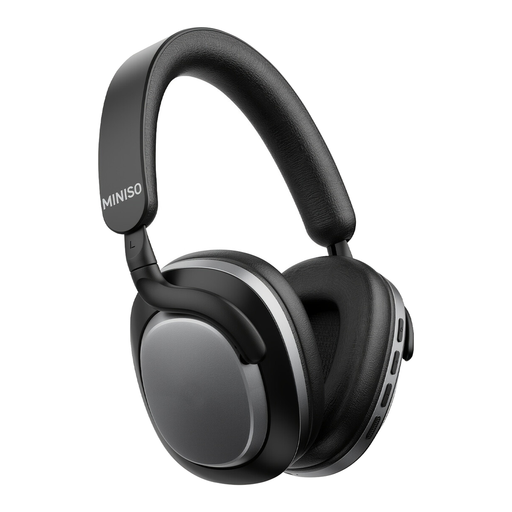 No image available
A wireless over-ear option if you’re looking for a pair with noise cancellation for your journey.
The product title mentions noise cancellation and 24 hours of battery life.
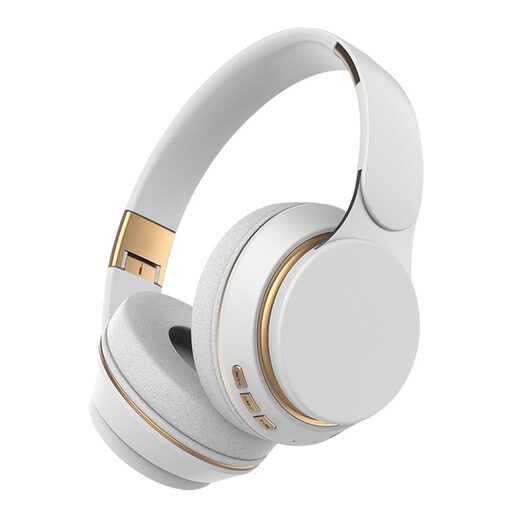 No image available
A foldable over-ear option if you’d also like to use a wired connection mode during your journey.
The product title mentions Bluetooth 5.0, passive noise cancellation, a microphone, TF card support and a wired mode. Check which connection is intended for your playback device.
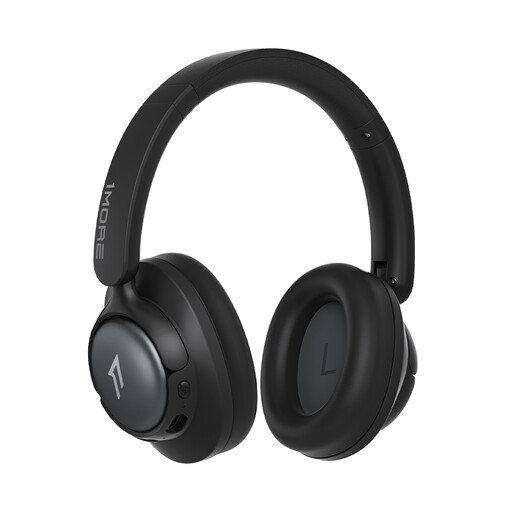 No image available
A wireless over-ear option with ANC if steady road noise makes it difficult to compare mixes.
The product title mentions noise cancellation and 90 hours of playback time. Check whether you can keep the listening mode unchanged for both mix versions.
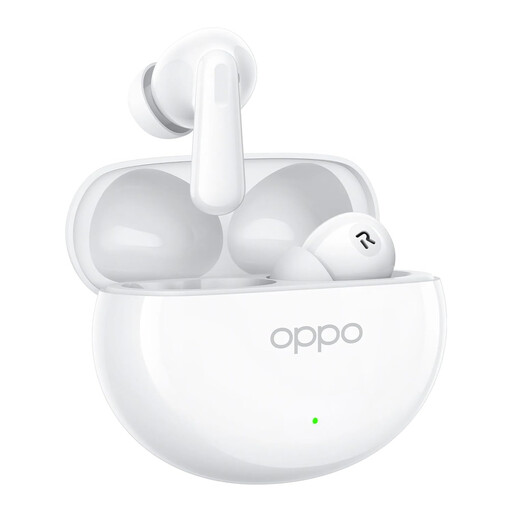 No image available
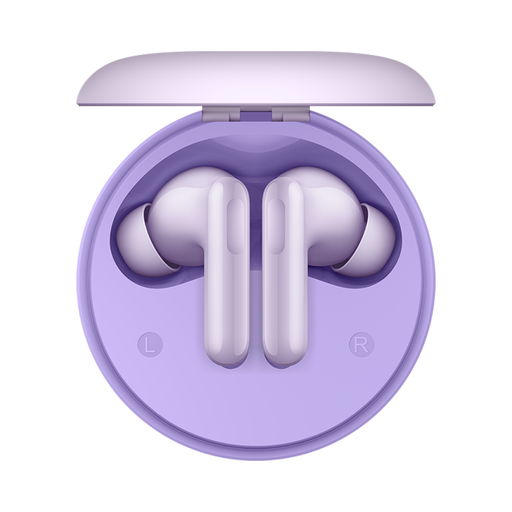
Compact true wireless earbuds with noise cancellation as an option for travelling.
The product title mentions a true wireless design and noise cancellation. These details alone don’t prove they’re suitable for making reliable mix decisions on a coach.
 No image available
True wireless earbuds with ANC as a compact option for your journey; the product title doesn’t make them a mixing reference.
The product title mentions a 12.4 mm driver, 49 dB ANC and 42 hours of battery life.
Use the journey to compare mixes under listening conditions that are as consistent as possible, but listen to critical sections again somewhere quieter if road noise masks detail. Neither a product description focused on mixing nor ANC guarantees that you’ll hear every subtle change reliably while travelling.
Check that the plug fits your playback device’s output; beyerdynamic lists a 3.5 mm plug and a 6.35 mm adapter for the DT 700 PRO X. For A/B comparisons, keep the source, volume and, if applicable, EQ and ANC settings the same for both versions.
First check the fit of your headphones and whether suitable noise cancellation helps, rather than continually turning up the volume. The World Health Organization explains that both sound level and listening time affect the risk to your hearing; its guidance of 80 dB for up to 40 hours a week isn’t a setting you can automatically read from your own headphones.
When you buy online from a trader in the EU, you generally have a 14-day right to cancel from the date of delivery; exceptions and possible return costs apply. Faulty goods are also covered by a legal guarantee of at least two years. Your Europe, the European Union’s information portal, distinguishes these rights from a voluntary manufacturer’s guarantee.