Groove lovers who clean
If you move between tasks and want to listen to a recording on repeat without a cable getting in the way, look for a well-fitting pair of closed-back wireless headphones.


If you switch between different tasks while cleaning, a well-fitting pair of closed-back Bluetooth headphones is a sensible place to start. Try a familiar recording at a moderate volume to check the groove. If you want to play along in time yourself, compare a wired connection with a wireless system that specifies low latency for the particular transmission method. Whichever you choose, fit, connection and how it actually sounds to you all matter. Claims about sound isolation or studio sound are no substitute for trying them out.
If you move between tasks and want to listen to a recording on repeat without a cable getting in the way, look for a well-fitting pair of closed-back wireless headphones.
If household noises drown out the quieter parts of a groove, check the fit and isolation first. Simply turning the volume up is not a good substitute.
If you want to do more than listen and play along with the groove yourself, check the latency of the entire playback chain as well as the connections you need.
First decide whether you need freedom of movement while cleaning or want to play along in time. Then check isolation, fit and sound with your own audio source.
| What matters | What to look for | Who is it important to? |
|---|---|---|
| Freedom of movement | Check the fit while moving, the Bluetooth connection where you listen, battery life and whether a cable is also an option. | If I move between work areas while cleaning, I don’t want to get tangled up in a cable. Freedom of movement is the top priority for around 28% of consumers. |
| Isolation | Check the closed-back design and how the headphones fit your head; listen to the groove at a moderate volume. | If household noises mask quieter beats, I still want to follow the recording clearly without simply turning it up. Isolation comes first for around 22% of consumers. |
| Groove detail | Replay a familiar drum passage at the same, moderate volume and compare its individual elements. | If I want to pick out the kick, snare and hi-hat while learning, I need playback that works for my ears and that recording. Around 22% of consumers focus on groove detail. |
| Timing | Play along with your own audio source and check the cable connection or the required transmitter and operating mode. | If I’m playing along with the groove, the timing of the whole connection matters to me, not just a figure quoted for the headphones. Timing is the main concern for around 17% of consumers. |
| Comfort and upkeep | Check the fit over your planned listening time, the cable length, whether the ear pads can be replaced and whether you can get a compatible replacement cable. | If I’m practising for a long time, I want a comfortable fit and to be able to find suitable replacement parts if needed. Around 11% of consumers prioritise comfort and upkeep. |
A latency figure does not necessarily apply to Bluetooth or to the entire connection, including the software, transmitter and headphones. The particular signal path can make all the difference when you’re playing along.
Before buying, check your audio source’s connection and try the groove using the exact transmission method you plan to use.
A dedicated wireless mode may require a compatible transmitter, so check that it works with your audio source.
How the headphones fit your head and the type of ambient noise both affect what you actually hear. The maximum figure Sennheiser quotes for the HD 280 PRO will not necessarily apply to every person or household appliance. Listening at a higher volume can damage your hearing.
Check the fit and groove detail with a familiar recording at a moderate volume, rather than assuming a published attenuation figure will apply in your home.
Cables and connectors vary between models. Audio-Technica says that longer cables for the ATH-M50x are not directly compatible with the ATH-M50xBT2; the DT 770 PRO X has a Mini-XLR connector.
Before buying, check the full model name and the replacement part’s connector.
An incompatible replacement cable could mean buying another cable or a suitable extension lead.
The K371 is a closed-back, wired studio headphone; the K371-BT is a separate version with Bluetooth and wired operation.
The ATH-M50xBT2 is described as suitable for wireless listening while doing household chores and occasional wired use.
The DT 770 PRO X is a closed-back, wired headphone with a detachable cable.
The HD 280 PRO is a closed-back, wired monitoring headphone.
The TMA-2 Studio Wireless offers Bluetooth, a separate W+ Link mode and wired operation.
The following models offer wireless or wired listening for everyday use. Check the design, fit and sound with a familiar recording before settling on one for learning a drum groove.
 No image available
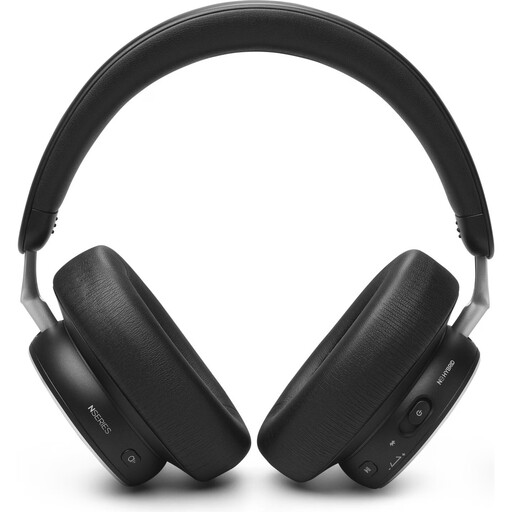
Bluetooth and the wired option give you two ways to listen if you’d rather not use a cable while moving between household tasks. Try a familiar recording to check the fit and how your groove sounds.
The product name lists Bluetooth 5.3 with Multipoint, 55 hours of battery life, 40 mm neodymium drivers, active noise cancellation, a foldable design and a 3.5 mm cable option.
 No image available
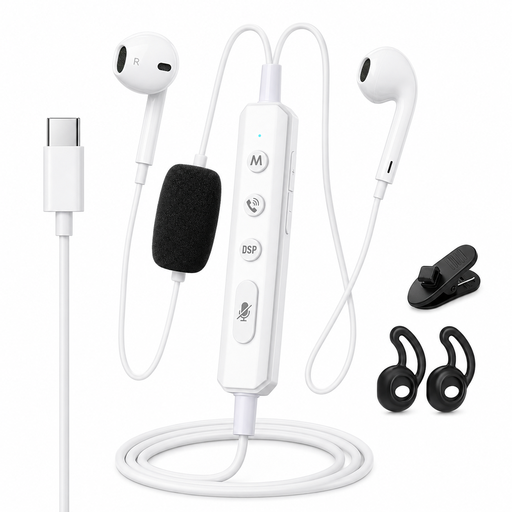
The title lists real-time monitoring as an intended use. The half-in-ear design differs from closed-back over-ear studio headphones, so check carefully whether the fit and sound suit your learning goals.
The description lists a 1.2 m cable, Type-C and 3.5 mm connectors, as well as Bluetooth functionality. Check which connection or operating mode works with your audio source.
No, the requirements can differ. Freedom of movement may matter more when you’re listening to a recording on repeat; if you want to play along in time, check the latency of the entire connection. AIAIAI’s figure of under 10 ms applies specifically to W+ Link with the compatible transmitter, not to Bluetooth in general.
Audio-Technica describes a detachable 3.5 mm cable. When the cable is plugged in, Bluetooth and the controls on the earcup are disabled, so check your audio source’s output first. Longer cables for the ATH-M50x are not directly compatible.
No. The World Health Organization recommends well-fitting or noise-reducing headphones to reduce the need to listen at a higher volume. It gives an average of 80 dB as an example of a level suitable for up to 40 hours per week, and four hours at 90 dB. These are general safe-listening guidelines, not measurements for any of the models mentioned here.
If a product is faulty, your statutory rights are against the seller and are separate from any voluntary guarantee. According to the Verbraucherzentrale, online purchases also generally come with a 14-day right to cancel, starting when you receive the goods. Cancelling an order and reporting a fault are separate processes.
When monitoring radio and electronic products on the market, the Bundesnetzagentur checks points including CE marking, product and manufacturer details, German-language instructions and a declaration of conformity. This does not confirm that a particular listing has already been checked.