Learning grooves on a noisy coach
You want to listen to short drum passages repeatedly without turning up the volume to drown out engine and road noise. A good seal, a secure fit and a moderate listening level are your priorities.


If bus noise is distracting, a well-fitting closed-back pair of headphones is a sensible place to start. Compare familiar groove passages at a moderate volume. A wired model may suit you if the connection and cable are practical at your seat, while a Bluetooth model or ANC travel headphones may better meet other connectivity and listening needs. Manufacturer claims about noise isolation are no substitute for checking how the headphones fit you or trying them on a coach.
You want to listen to short drum passages repeatedly without turning up the volume to drown out engine and road noise. A good seal, a secure fit and a moderate listening level are your priorities.
You want to pick out rhythmic details in familiar recordings and slow passages down when needed. Choosing headphones and choosing a playback function are two separate decisions.
You listen on the go using a phone or laptop and need to choose between a wired connection and Bluetooth. Controls and comfort throughout the journey may also be deciding factors.
A good fit if: your playback device has a compatible audio output and isolation and repeated listening matter more to you than the freedom of going wireless.
The trade-off: The cable needs to be practical at your coach seat, and a firm fit may feel uncomfortable on longer journeys.
A good fit if: you want to switch between Bluetooth and a wired connection, and passive isolation is enough for your coach journey.
The trade-off: Bluetooth requires a compatible connection and a charged battery. A studio sound description alone proves neither that the headphones have ANC nor that their playback is neutral.
A good fit if: reducing travel noise is your priority and you also assess the groove using familiar recordings.
The trade-off: Noise cancellation does not automatically make travel headphones a neutral reference for drum mixes.
The WHO recommends well-fitting, noise-reducing headphones so you are less likely to turn up the volume in noisy surroundings. Fit, connection and your listening volume still matter most.
| Priority | What to check before buying | Who is this especially important to? |
|---|---|---|
| Isolation at a moderate volume | Check the closed-back design, how the ear pads fit and, where relevant, whether ANC is explicitly listed for the exact model. | If bus noise masks quiet groove details, you don’t want to have to turn the volume up. Around 36% of consumers prioritise isolation. |
| Picking out rhythmic details | Compare a familiar passage on the specific model; check the playback software’s repeat or tempo functions separately. | If you want to compare kick, snare and hi-hat parts in your recordings, being able to listen closely and repeatedly matters. Around 29% of consumers prioritise rhythmic detail. |
| Connecting at your coach seat | Check your device’s output, the compatible plug, whether you might need an adapter and the connection types supported by the exact model variant. | If you use a phone or laptop on your journey, your headphones should connect to your playback device without a cable getting in the way. Around 21% of consumers prioritise connectivity and easy controls on the go. |
| Fit and comfort on longer journeys | If possible, try the headphones on for a realistic length of time and check replacement ear pads for the exact model version. | If you want to listen repeatedly on a longer journey, the fit should remain comfortable for you. Around 14% of consumers pay particular attention to comfort and how long they can wear their headphones. |
Figures such as 35 dBA for the beyerdynamic DT 770 M or up to 32 dB for the Sennheiser HD 280 PRO apply to those specific models. They do not predict how well the headphones will isolate noise with your fit in your particular travel environment.
Check the fit and compare a familiar passage at a moderate volume. Don’t turn it up just to drown out the bus.
The term ‘studio’ or a manufacturer’s description of the sound signature does not automatically mean noise cancellation or a neutral reference for your mix. Features vary depending on the full model name.
Check ANC and connections for the exact variant, then compare it yourself using familiar drum recordings.
A compatible plug alone does not guarantee that the cable will be comfortable to use at your seat.
Check your device’s socket against the model’s connector, and find out whether you need an adapter and whether one is included.
The HD 280 PRO is a closed-back, foldable wired option for monitoring and carrying on the go.
The manufacturer describes the DT 770 M as suitable for drum and FOH monitoring, with high passive isolation.
The M Series offers a wired monitoring option in the ATH-M50x and a separate wireless model in the ATH-M50xBT2.
The wired MDR-7506 is a studio option; the separate WH-1000XM6 is an ANC alternative for travel.
This selection features ANC travel headphones for journeys with distracting background noise. It does not replace checking whether a model is suitable for assessing a drum mix neutrally.
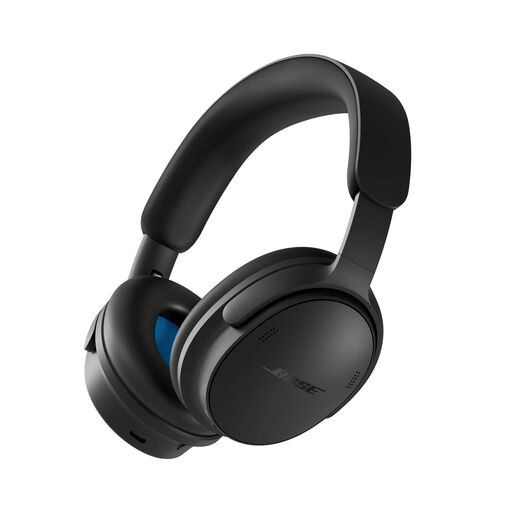 No image available
For coach journeys when you want to choose between wireless and wired listening; Quiet and Aware modes are listed.
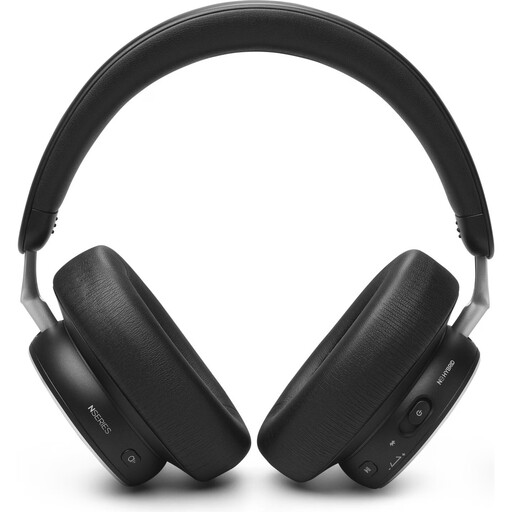 No image available
For coach journeys when you’re looking for closed-back headphones with ANC and a choice of connection options.
The product title lists Bluetooth 5.3 with multipoint, ANC, a 3.5 mm cable option, a foldable design and 55 hours of battery life.
 No image available
For listening on the go, if you’re considering closed-back over-ear headphones with adaptive hybrid ANC and Bluetooth.
The product title lists Bluetooth 5.4 and connections to two devices. The quoted battery life varies depending on use, so check the conditions against how you plan to listen.
 No image available
For coach journeys when you’re looking for wireless over-ear headphones with ANC and a multipoint connection.
The product title lists adaptive noise cancelling and a wireless connection to multiple devices.
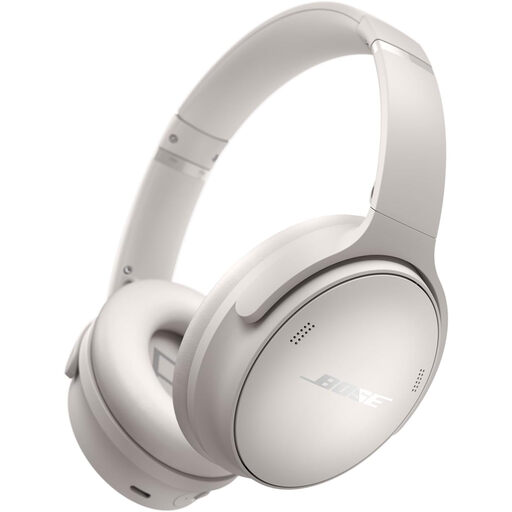 No image available
For listening on the go when you want to switch between Bluetooth and wired playback and use Quiet and Aware modes.
Multipoint is listed for connecting to several playback devices. Check that the connection options suit your device.
Start by repeating a short section at a moderate volume. If you can edit a suitable audio file, Audacity’s ‘Change Tempo’ feature alters the tempo without changing the pitch; more substantial changes may introduce audible artefacts. This is a software feature, not a headphone feature.
Check your device’s connection against the plug or Bluetooth function of the exact model, and start at a low volume. The WHO recommends well-fitting, noise-reducing headphones so you are less likely to turn the volume up in noisy surroundings. Ambient noise attenuation does not make high playback levels safe.
Regularly check the fit and condition of the ear pads, as well as the replacement parts listed for your exact model version. Sennheiser and beyerdynamic list replaceable ear pads for the HD 280 PRO and DT 770 M respectively; that does not mean every ear pad from each brand will fit.
For certain electrical and electronic devices, the Federal Network Agency lists correct CE marking and identifiable manufacturer details among the things to check. CE is the manufacturer’s declaration that a product complies with the applicable regulations, not an independent assessment of its sound or noise attenuation. Check the information for the variant on offer.