What should you look for?
Just listening to a groove
A good fit if: you’re listening to a recording and aren’t playing on pads or drums yourself. Closed-back headphones can limit sound leakage, provided they fit well.
The trade-off: passive isolation doesn’t guarantee complete silence. In its independent review of the Audio-Technica ATH-M50x, HIFI.DE also notes a high clamping force and ear cups that are small for some people.
Playing an electronic kit at the same time
A good fit if: your module has a compatible headphone output and you want to reduce the sound of pad hits and beaters while monitoring. Check the socket, connector wiring and any required adaptor for your specific device.
The trade-off: headphones won’t stop other people in the room from hearing pad hits or pedal noise. Alesis describes potential issues with TRRS headsets on its drum modules; this doesn’t automatically apply to every module.
Playing an acoustic drum kit with backing tracks
A good fit if: you need to hear a recording or click track while playing an acoustic kit or in a noisy environment. In this case, headphones specifically designed for drummers, with stronger isolation, may be worth considering.
The trade-off: Vic Firth states that the SIH3 reduces outside noise by 25 dB. This is a manufacturer’s claim, not a measurement of how well they fit you. Other people in the room will still hear the instrument.
| What matters |
What to check before buying |
Who is it important to? |
| Sound leakage and background noise |
Closed-back design, comfortable fit and sound leakage at the volume you intend to use. |
If you’re listening in a shared room, you’ll want as little sound from your headphones as possible to reach others. Around 33% of consumers prioritise keeping disruption to a minimum. |
| Connection to an electronic drum kit |
Check the module manual, PHONES socket, TRS or TRRS connector, and whether you need an adaptor. |
If you want to hear the module directly while playing, the headphones need to work with that specific output. Around 27% of consumers prioritise compatible electronic drum monitoring. |
| Kick, snare and groove details |
At a moderate volume, check whether you can distinguish the hits you want to hear; a frequency range alone can’t replace listening for yourself. |
If you’re listening to a recording repeatedly to learn, you’ll want to follow the kick, snare and rhythm clearly. Around 20% of consumers focus on being able to pick out groove details. |
| Fit and sensible volume |
Consider the size of the ear cups, the padding and the clamping force. Start at a low volume and plan listening breaks. |
If you’re planning longer practice sessions, your headphones should feel comfortable without needing to drown out outside noise by turning up the volume. Around 20% of consumers prioritise comfort and sensible listening levels. |
For longer listening sessions, the WHO recommends keeping the volume low and taking breaks. As a guide, it gives 80 dB for up to 40 hours a week and four hours at 90 dB. You can’t map this guidance directly to a volume setting.
Joybuy products
The Joybuy headphones below include wired and wireless options for listening to drum grooves. Before buying, check that the connection and transmission method suit your audio source.
 No image available
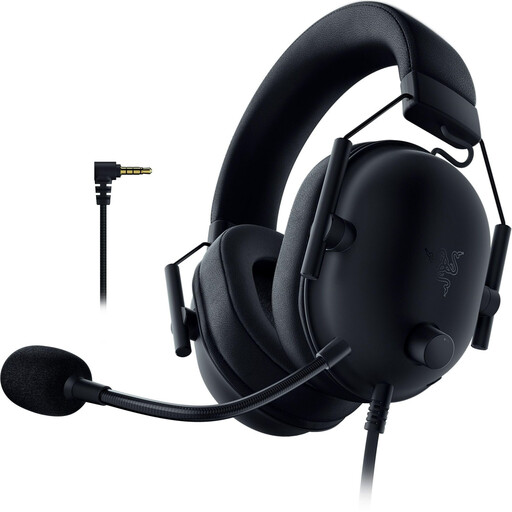
Razer BlackShark V2 X (PlayStation Licensed), wired over-ear headset
Could be suitable for listening to a recording if your playback device supports the wired connection.
Over-ear gaming headset; PlayStation Licensed; Black.
Joybuy
 No image available
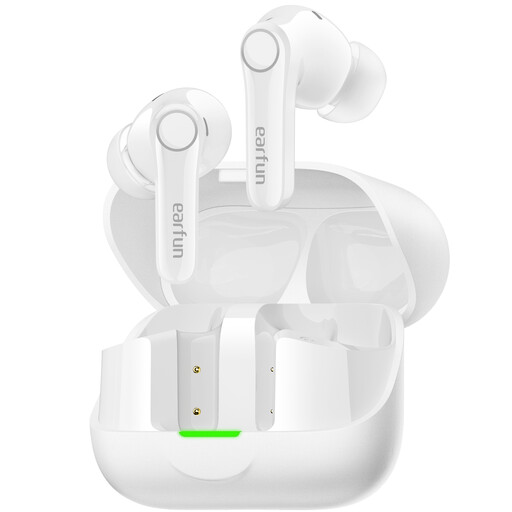
EarFun Air Pro 4+ Hi-Res Dual Driver
For listening to a recording from a compatible Bluetooth device; this doesn’t mean they’re compatible with an electronic drum module.
Bluetooth 6.0; white finish.
Joybuy
 No image available
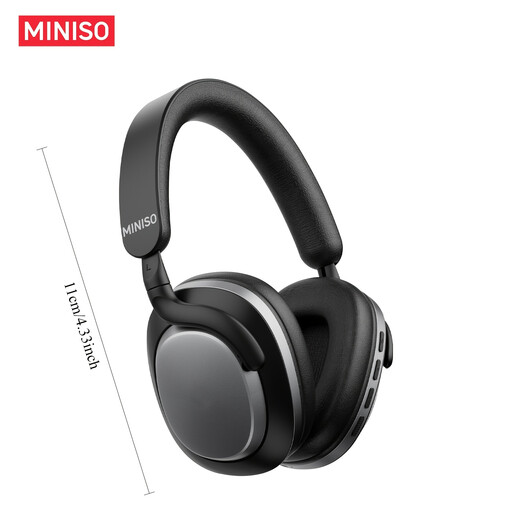
MINISO MG210, wireless over-ear headphones with noise cancelling
Could be suitable for wireless playback of a recording if your playback device supports the connection. Noise cancelling doesn’t show how much sound other people in the room can hear.
Wireless over-ear model; Black.
Joybuy
 No image available
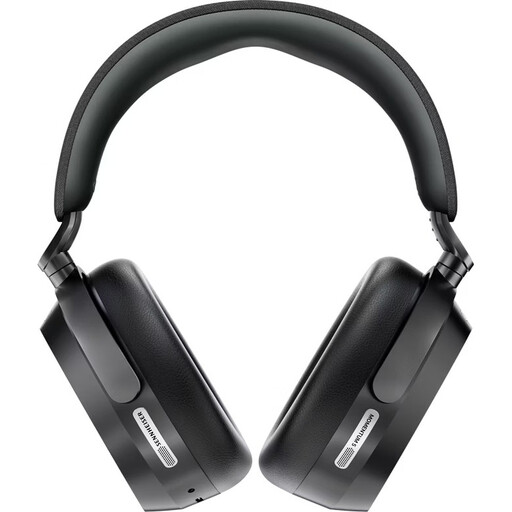
Sennheiser Momentum 5, closed-back over-ear headphones
Could be suitable for listening to a recording through a compatible device. If you want to use them wired, check the connection they’re designed for and whether it’s compatible with your source.
Bluetooth 5.4; closed-back design; Black.
Joybuy
 No image available
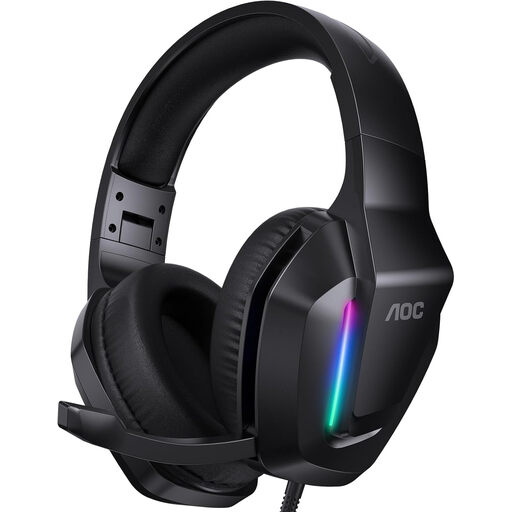
AOC wired over-ear gaming headset
Could be suitable for listening to a recording if your playback device supports the wired connection.
Over-ear gaming headset; Black.
Joybuy
Frequently asked questions
Can I connect Bluetooth headphones directly to an electronic drum module?
It depends on the specific module. Roland says Bluetooth headphones aren’t supported with the TD-07KVX; its Bluetooth function is for audio input. For other modules, check the headphone output details in the relevant manual.
Why can’t I hear the kick or snare through my Alesis module?
Alesis says that using a TRRS rather than a TRS plug can cause quiet, intermittent or incomplete sound with its drum modules. Check the PHONES output and connector wiring; this explanation doesn’t apply to every module.
Will headphones make drums quiet in a shared room?
No. Headphones only limit the sound played through them, not the noise from pads, and certainly not the sound of an acoustic kit. Closed-back headphones can make it easier to monitor the module, but they won’t soundproof the room for the people you live with.
How can I protect my hearing during longer practice sessions?
Start at a low volume, take listening breaks and don’t turn the volume up just to drown out outside noise. The WHO gives 80 dB for up to 40 hours a week and four hours at 90 dB as a guide; these figures don’t correspond directly to a setting on the volume control.
What are my rights when buying online in Germany?
For a typical online purchase, you generally have 14 days from receiving the goods to cancel the contract, although exceptions and the specific terms and conditions apply. Statutory rights relating to faulty goods are against the seller and are separate from a voluntary guarantee, as explained by the Verbraucherzentrale.
Can I practise drums in my bedroom at any time if I’m wearing headphones?
There’s no general answer without knowing where you live and which house rules apply. The Umweltbundesamt notes that state law, local regulations or house rules may govern noise from neighbours’ activities; headphones don’t eliminate the sound of the instrument.


