For listening to long family recordings
If you listen to conversations for long stretches, a comfortable fit and easy-to-adjust volume matter. Manufacturer claims about weight or ear cushions are no substitute for trying them out yourself.


Choose headphones that work with your playback device and suit where you’ll be listening. Check the fit using a familiar recording with both quiet and louder sections. For a quiet room, consider open-back wired headphones; where there’s background noise, a well-fitting closed-back pair or ANC may be more suitable. ANC can tackle noise around you, but it won’t remove interference from the recording itself – and it shouldn’t tempt you to turn up the volume.
If you listen to conversations for long stretches, a comfortable fit and easy-to-adjust volume matter. Manufacturer claims about weight or ear cushions are no substitute for trying them out yourself.
If noise at home or on the move masks quiet speech, check the fit and noise isolation where you’ll actually be listening. The WHO recommends well-fitting or noise-cancelling headphones rather than turning up the volume in a noisy environment.
If your recordings are on a particular computer or player, its audio output or Bluetooth capability needs to work with your headphones. Also check whether you need an adapter and whether one is included.
Compare your device’s connection and the noise levels where you’ll be listening with the headphone features. Trying them with your own recording will show whether you can follow quiet sections at a comfortable volume.
| Priority | What to check when buying | Who it matters most to |
|---|---|---|
| Quiet speech | Play a familiar quiet and loud section; make sure you can adjust the volume carefully. | If I want to follow quiet or unevenly recorded conversations clearly, trying the headphones out is essential. Around 33% of consumers prioritise speech sections. |
| Connection to the playback device | Check the audio output or Bluetooth capability, the connector you need and whether an adapter is required. | If my recordings are on a particular player or computer, I need to be able to connect the headphones to it. Around 25% of consumers prioritise device connectivity. |
| Long listening sessions | Assess the fit and pressure during a longer listening session; look for replacement ear cushions for the exact model variant only. | If I listen to long conversations in one sitting, I want a comfortable fit and to know whether the ear cushions can be replaced. Around 25% of consumers prioritise long-term comfort. |
| Noise where you listen | Try open-back or closed-back headphones and, if applicable, ANC with your own recording in your usual listening spot. | If background noise masks quiet sections, suitable noise isolation matters, without turning up the volume unnecessarily. Around 17% of consumers prioritise reducing noise where they listen. |
ANC can reduce noise around you. That doesn’t mean it will remove hiss or unclear words already present in the file.
Listen to a problem section at your usual volume and check whether it’s clear enough where you plan to listen.
Connectors and accessories can differ between variants. For the DT 770 PRO, the 3.5 mm plug and 6.35 mm adapter apply to the 32-ohm variant.
Check that the model variant, audio output, plug and items included in the box all match.
Verbraucherzentrale distinguishes between your statutory rights against the seller and a voluntary guarantee.
If there’s a fault, first check your rights against the seller, then read any additional guarantee terms separately.
The WH-CH720N is an over-ear option with Bluetooth and a wired connection, making it suitable for different listening environments.
The 32-ohm variant of the DT 770 PRO is a closed-back wired pair of headphones for use with a compatible playback device.
The HD 560S is an open-back wired model for listening in a quiet spot.
JBL describes the Tune 780NC as an over-ear model with ANC.
The Space One is an over-ear option with ANC and Bluetooth.
The Joybuy options below include over-ear headphones and wireless earbuds. If you’re listening to downloaded recordings, pay particular attention to whether they connect to your device, how they’re worn and their stated battery life.
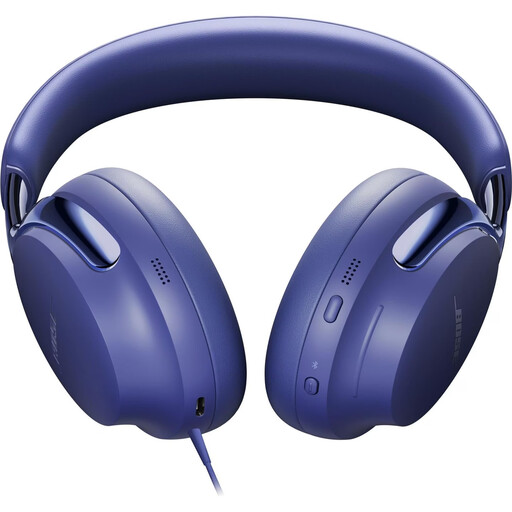 No image available
An over-ear option with ANC if noise around you makes it hard to concentrate.
Up to 30 hours of battery life; Bluetooth and wired connections are listed. Check which connection works with your playback device.
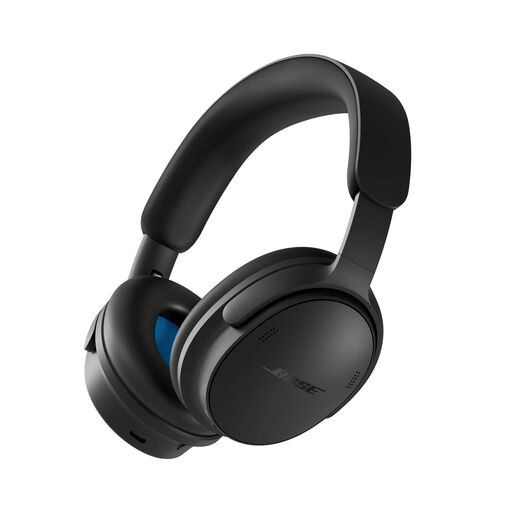 No image available
A wireless over-ear option that also supports wired listening, so you can switch connection types to suit your device.
Up to 24 hours of battery life; Bluetooth, an audio cable, and Quiet and Aware modes are described. Check the cable connection for your device.
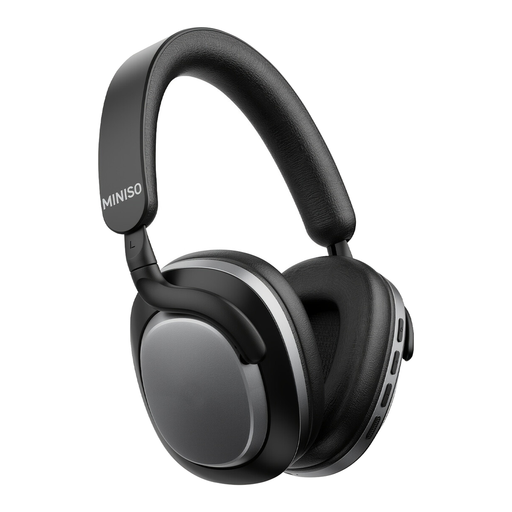 No image available
A wireless over-ear model with noise cancelling; check before buying that it can connect to your playback device.
The description states an approximate listening time of 20 hours. This doesn’t establish how clearly it reproduces speech in family recordings.
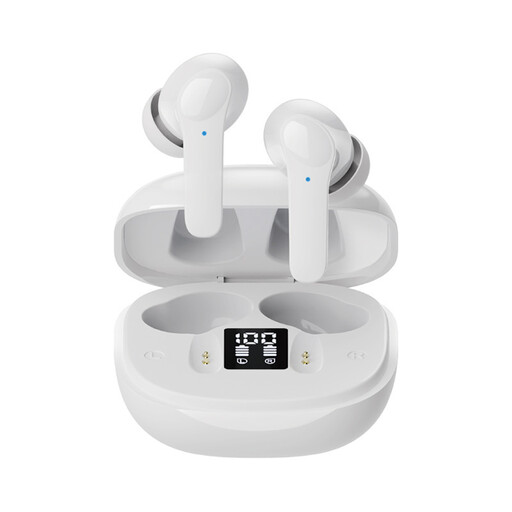 No image available
Wireless earbuds with ANC; check whether they fit comfortably for longer listening sessions.
Bluetooth; up to 4 hours of use and up to 15 hours with the charging case. The translation feature isn’t relevant when listening to recordings.
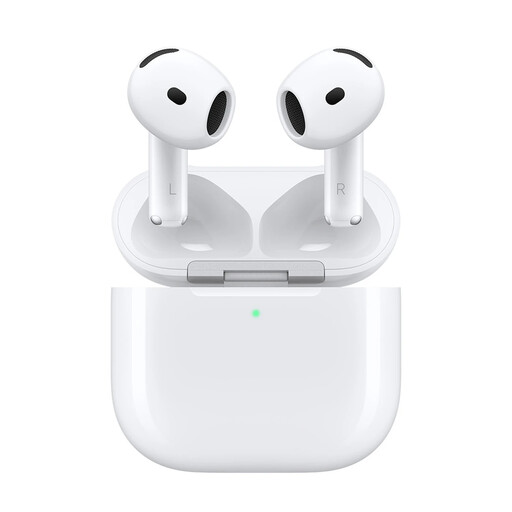 No image available
Open-style wireless earbuds with ANC; try them out to see whether they fit well enough for where you’ll be listening.
Up to 4 hours of playback with ANC and up to 20 hours with the charging case. Check Bluetooth compatibility with your playback device.
No, a suitable wired connection may work just as well. What matters is whether your playback device accepts the headphone plug; check the socket and whether you need an adapter.
No. ANC is designed to tackle noise around you; it doesn’t remove hiss or unclear words that are already in the recording. Try the file yourself.
It depends mainly on where you’ll be listening. Open-back headphones may suit a quiet room, while closed-back headphones can block out more background noise. Check the fit, connection and clarity using your own recording.
The WHO recommends keeping the volume low and using well-fitting or noise-cancelling headphones in noisy places rather than turning the volume up. Try a recording with both quiet and loud sections to help you adjust the volume carefully.