Listening to song sections repeatedly on the train
If you want to work out chords by ear, headphones that let you compare the same passage and sound settings consistently can help.


For longer listening sessions on the train, well-fitting closed-back ANC over-ear headphones are an obvious choice, provided you have room for them and find them comfortable to wear. If travelling light matters more, well-fitting ANC in-ear headphones are worth considering. However, ANC and EQ don’t identify chords or guarantee that you’ll automatically work them out correctly.
If you want to work out chords by ear, headphones that let you compare the same passage and sound settings consistently can help.
If you prefer a compact option, consider in-ear headphones. Check that they fit comfortably and securely, and that you can switch listening modes when needed.
On longer journeys, you may want to consider how comfortable they are over time, battery life in the mode you actually use, and a volume level that feels comfortable to you.
A good fit if: you listen to longer passages with focus and have room for over-ear headphones.
Consider: fit and seal vary from person to person. Try the headphones with the glasses or headwear you usually wear.
A good fit if: travelling light matters and you can find ear tips that fit you well.
Consider: check the fit and feel in your ears for yourself. Battery life figures apply to the specific operating conditions stated.
| Priority | What to look for | Who might find this important? |
|---|---|---|
| Sound when listening repeatedly | Compare the same section of a song with and without EQ adjustments; check the app features available for the specific model. | If I want to make sense of changes in sound when listening again, having the right sound settings matters. Around 31% of consumers put sound comparison first. |
| Blocking out train noise | Check the fit and ANC, and consider whether you can still hear important information from your surroundings. | If I want to focus on a recording despite train noise, I look at fit and noise isolation rather than simply turning the volume up. Around 25% of consumers prioritise reducing background noise. |
| Compact for travelling | Try different ear tips and check the fit; compare battery life in the listening mode you need. | Travelling light matters to me, but my in-ear headphones also need to fit securely and comfortably. Around 19% of consumers prioritise a compact design for travel. |
| Comfort on longer journeys | Check for pressure on your ears and head; factor in battery life with ANC switched on. | If I want to listen on longer journeys, I need a comfortable fit and enough battery life in the mode I use. Around 13% of consumers prioritise long-lasting use. |
| Staying within budget | Set a personal budget and compare only the features you actually plan to use. | If I want to keep spending under control, I compare the features I need within my budget. Around 12% of consumers put cost control first. |
Noise cancellation and working out music by ear are two different things. ANC reduces background noise, but it doesn’t identify the chords in a song.
Listen to the same recording repeatedly with sound settings you can compare consistently, and assess noise isolation separately.
Manufacturer figures can vary depending on the operating mode. Bose quotes up to 30 hours for the QuietComfort Ultra Headphones (2nd Gen.), or 23 hours with 360-degree sound. Apple quotes up to 8 hours per charge for AirPods Pro 3 with ANC enabled.
Only compare battery life figures when they refer to the same listening mode and the same basis of measurement.
Sony lists a QN3 processor for the WH-1000XM6, while a Joybuy description under the same model name lists QN2+. The descriptions of the JBL Tune 780NC also differ on its design: JBL describes it as over-ear, while a Joybuy title calls it on-ear.
Matching model names alone aren’t enough to confirm that the version and features are the same. Check the full product name and key details on the specific product page.
Deutsche Bahn notes that playing music loudly, even through headphones, is not welcome in ICE quiet carriages.
Keep the volume low and check whether other passengers can hear what you’re listening to.
The WH-1000XM6 is a closed-back ANC over-ear headphone with adjustable sound.
The MOMENTUM 4 Wireless is an ANC over-ear headphone with sound options for longer journeys.
AirPods Pro 3 are compact ANC in-ear headphones supplied with several ear tip sizes and a Transparency mode.
The QuietComfort Ultra Headphones (2nd Gen.) are an over-ear ANC alternative with adjustable EQ.
JBL describes the Tune 780NC as an over-ear headphone with ANC and Smart Ambient.
This selection includes ANC over-ear headphones for listening repeatedly in noisy surroundings, as well as ANC in-ear headphones if a compact design for travelling is important.
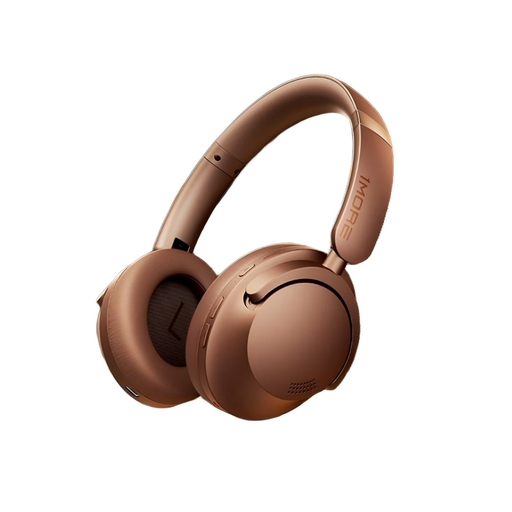 No image available
This model is worth considering for listening repeatedly on the move, with its wireless over-ear design and ANC. The product description lists LDAC and high-resolution audio playback, but these features don’t guarantee chord recognition.
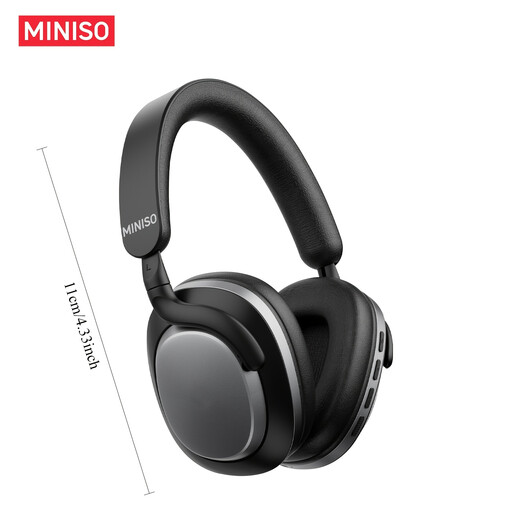 No image available
These wireless over-ear headphones with noise cancelling are an option if you want to listen repeatedly in noisy surroundings. The product title lists four EQ settings and 24 hours of battery life.
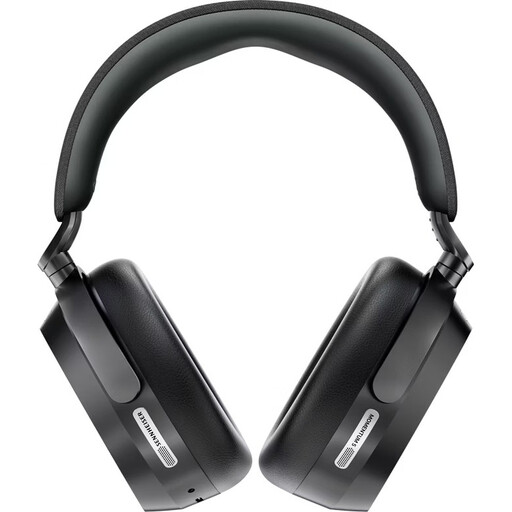 No image available
These closed-back over-ear headphones with ANC are worth considering for focused listening on the move; a Transparency mode is also listed. The product title lists Bluetooth 5.4, a replaceable battery and up to 57 hours of battery life.
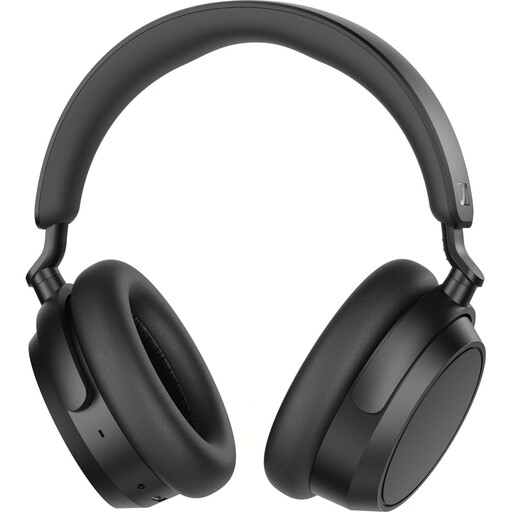 No image available
The closed-back over-ear design with ANC is an option for listening repeatedly on the move. The product title lists Bluetooth 5.2 with aptX and Multipoint, 50 hours of battery life and a detachable cable.
 No image available
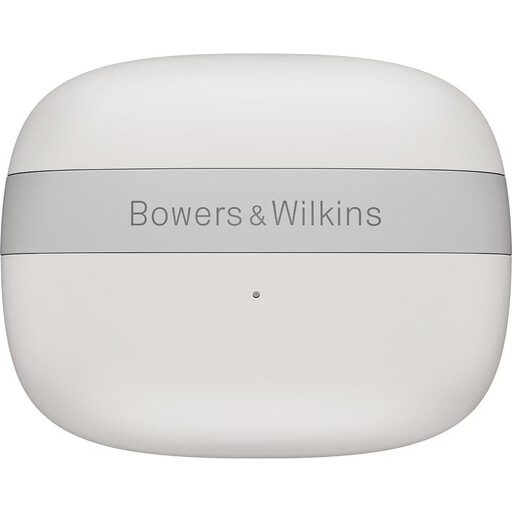
These true wireless in-ear headphones with ANC are worth considering if you prefer a compact design for travelling. The listing mentions four sizes of ear tips and up to 8 hours of battery life per charge.
No. ANC reduces background noise, but it doesn’t identify chords. Listen to tricky sections repeatedly with sound settings you can compare consistently; ANC alone can’t work out chords.
First, check the fit. Then compare the same section of a song at a moderate volume, with and without EQ adjustments. Switch to Transparency or Ambient mode, or pause playback, if you need to hear information from the train.
The World Health Organization recommends well-fitting noise-cancelling headphones, so background noise is less likely to tempt you to turn up the volume. As a practical guide, it suggests keeping the volume at no more than 60 per cent of the device’s maximum setting and taking listening breaks. This percentage isn’t an exact sound pressure measurement that applies across all devices.
No. Deutsche Bahn explicitly says that playing music loudly, even through headphones, is not welcome in ICE quiet carriages. This is guidance on behaviour in its quiet zones, not a general ban on wearing headphones in Germany.
As a rule, the seller is responsible for your statutory rights for faulty goods. A manufacturer’s guarantee is separate and voluntary. Section 438 of the German Civil Code (BGB) generally sets a two-year limitation period for ordinary purchased goods, starting from delivery, subject to the applicable statutory conditions and exceptions.