Singers distracted by cabin noise
You want to hear your practice track without constantly turning it up over the cabin noise.


If cabin noise is drowning out your practice track, a closed-back ANC travel headphone is a natural place to start. For repeatedly comparing vocals and entrances, a wired studio headphone may be a better fit. The key things to consider are fit, clear playback at a sensible volume and a compatible connection. Also check that you can play tracks offline and review your airline’s rules; the word ‘studio’ alone doesn’t mean a headphone is better suited to flying.
You want to hear your practice track without constantly turning it up over the cabin noise.
You learn entrances and pitches by listening repeatedly under consistent conditions, and you can use a wired audio source.
You need headphones you can wear for several sessions and use easily at your seat.
A good fit if: You want to compare a harmony part with a familiar track and have a compatible wired source.
The trade-off: Passive isolation depends on the fit, and the cable and plug can get in the way at your seat.
A good fit if: Aircraft noise is particularly distracting, or you would otherwise turn up the playback volume.
The trade-off: ANC requires a charged battery on the models considered here; manufacturers’ battery-life figures are maximums.
| What matters | What to check when buying | Who is this important to? |
|---|---|---|
| Cabin noise | Fit and passive isolation or ANC; for ANC, also compare the stated battery life with how you plan to use the headphones. | If I want to hear my practice track over aircraft noise without turning the volume up unnecessarily, isolation matters. Around 33% of consumers put dealing with aircraft noise first. |
| Assessing vocals | Listen to the same vocal passage with a consistent source and settings. | If I want to compare the entrances and pitches in my harmony part with the track repeatedly, a consistent listening experience matters. Around 27% of consumers prioritise assessing vocals. |
| Comfort | Try the padding, clamping force and weight on your own head; fit also affects isolation. | If I want to wear headphones for longer practice sessions, they need to feel comfortable. Around 20% of consumers put long-term comfort first. |
| Connection and playback | Check the plug, any adapters you may need and the cable connection to your playback device; have your practice files ready offline. | If I want to play my practice track without an internet connection, I need a compatible connection and a saved file. Around 20% of consumers prioritise connection and playback during a flight. |
Closed-back studio headphones provide passive isolation. That’s not the same as active noise cancellation, and how well they work depends partly on the fit.
If aircraft noise is drowning out your practice track, check the fit and isolation or consider ANC rather than simply turning up the playback volume.
Different settings can make it harder to compare the same vocal passage repeatedly.
Choose one setting for your practice sessions and try it with the track you’ll be using.
A plug on the headphones doesn’t tell you whether it will fit your playback device or the socket at your seat.
Test the full connection before travelling and have your practice file ready offline.
Depending on your playback device, you may need a suitable adapter or a different connection cable.
The closed-back DT 700 PRO X is a wired option for monitoring and practice with a compatible source.
The closed-back ATH-M50x is a wired monitor option; the ATH-M50xBT2 is a separate Bluetooth model.
The closed-back HD 280 PRO is a wired option with a foldable design.
The closed-back WH-1000XM6 is an ANC travel option with Bluetooth and an audio cable, but it is not proven to be a substitute for assessing a studio mix.
The second-generation QuietComfort Ultra Headphones are an ANC travel option with an audio cable.
The Joybuy models below are ANC options for listening to practice tracks over cabin noise. Closed-back wired studio headphones remain a separate option if you want to assess vocals and entrances.
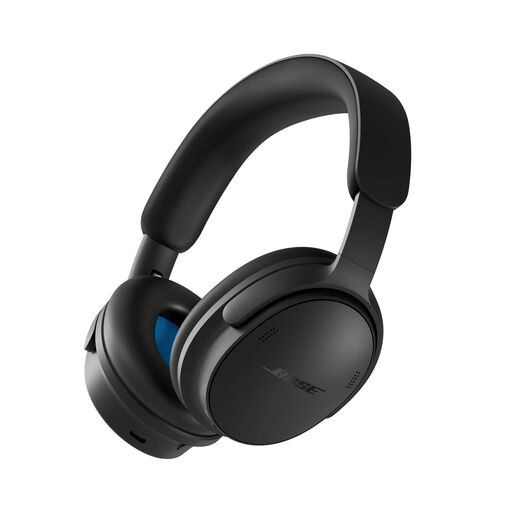 No image available
As closed-back ANC travel headphones, this model is suited to the aircraft-noise option; the audio cable also gives you a wired way to practise.
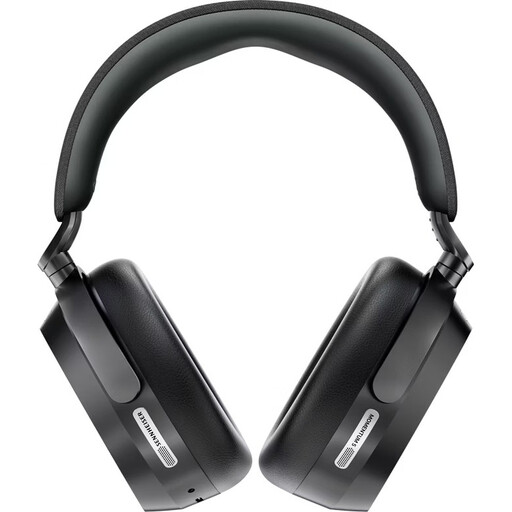 No image available
The closed-back ANC version is suited to travel, and the model is also available with a wireless connection.
Listed in the product name: up to 57 hours of battery life, Bluetooth 5.4 and a replaceable battery.
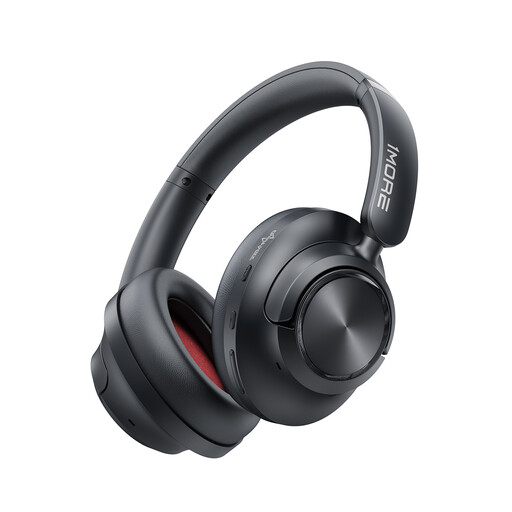 No image available
These over-ear headphones are positioned as an ANC option for listening to practice tracks over cabin noise.
The product name lists 50 dB ANC and 105 hours of battery life.
 No image available
The wireless over-ear version with ANC is suited to travel when aircraft noise is distracting.
Listed in the product name: wireless connection and multipoint.
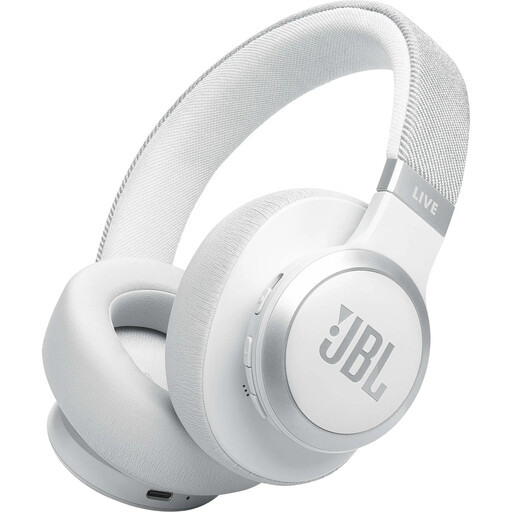 No image available
The over-ear version with ANC is suited to travel when aircraft noise is distracting; an audio cable gives you an extra wired listening option.
Listed in the product name: wireless connection.
No, there isn’t blanket permission for every flight. According to the European Union Aviation Safety Agency (EASA), airlines may restrict the use of portable devices and individual wireless functions during certain phases of a flight. Check your airline’s rules and follow the crew’s instructions.
Test your practice file offline using the playback device you’ll actually take, the plug or adapter you need, and a comfortable volume. The World Health Organization recommends well-fitting headphones for prolonged listening, with noise-cancelling headphones where appropriate, and regular listening breaks.
The purely wired models covered here—the DT 700 PRO X, ATH-M50x and HD 280 PRO—do not need a headphone battery. Your playback device must be charged and support a compatible connection.
For online purchases made by consumers, the withdrawal period is generally 14 days from the date you receive all the goods; exceptions and the terms of the specific contract should be checked. The Verbraucherzentrale distinguishes the right of withdrawal from rights relating to faulty goods against the seller. For claims relating to faulty goods, the standard limitation period is two years from delivery, according to the Federal Ministry of Justice and the Federal Office of Justice; a voluntary manufacturer’s guarantee is separate.
The information referred to here does not indicate any specific requirement to use studio headphones on board. Rules for using electronic devices and Bluetooth are set by each airline.