Listeners practising harmony parts on a noisy plane
You want to follow a prepared vocal track at a moderate volume, despite cabin noise.


If you’ll be listening repeatedly to a prepared harmony part, well-fitting ANC headphones are a sensible place to start if cabin noise is a distraction. However, ANC can’t separate voices that are already mixed together in a recording. The WHO recommends well-fitting noise-cancelling headphones to help you avoid turning the volume up in noisy surroundings. If you also want to record or monitor your own voice, check the connection and the entire signal path on your specific device.
You want to follow a prepared vocal track at a moderate volume, despite cabin noise.
You want to listen for extended periods and care about a comfortable fit and suitable battery life.
You also want to record or monitor your voice, so you need to check the connections and monitoring capabilities of your devices.
A good fit if: Cabin noise makes repeated listening difficult and you have room for over-ear headphones.
Consider: They take up more room in your luggage. Check the fit, pause controls and battery life with ANC switched on.
A good fit if: A compact design matters more to you than over-ear headphones.
Consider: Noise isolation and comfort depend on how the eartips fit. Compare the earbuds’ battery life in the mode you plan to use.
A good fit if: Your audio source has a compatible headphone socket, or a recording and monitoring setup is important to you.
Consider: A passive model doesn’t need a headphone battery, but it won’t necessarily actively reduce low-frequency cabin noise.
| Priority | What to check when buying | Who it matters most to |
|---|---|---|
| Practice track despite cabin noise | Use a familiar recording at a moderate volume to check the fit, passive noise isolation and ANC. | If I want to follow my harmony part despite cabin noise, I need a clear practice track without turning the volume up unnecessarily. Around 36% of consumers put this first. |
| Comfort during long listening sessions | Try wearing the design for as long as possible; test it with glasses too, if needed. | On a long journey, I want the headband, cushions or eartips to stay comfortable over time. Around 29% of consumers prioritise comfort during longer listening sessions. |
| Connections and voice monitoring | Check the audio or USB-C connection, the cables you need and how monitoring works in the app you use. | If I also want to record or monitor my voice, my headphones need to work with my audio source and monitoring setup. Around 21% of consumers focus primarily on connections and voice monitoring. |
| Uninterrupted playback | Compare battery life for the mode you’ll use; check whether the model keeps working over a cable when the battery is flat. | If I want to listen to the practice track repeatedly on a long journey, what matters is the power supply in the mode I’ll actually use. Around 14% of consumers prioritise uninterrupted playback. |
ANC reduces noise where you’re listening. It can’t make a harmony part audible on its own if it’s already mixed with other voices.
Prepare a practice track featuring the voice you want to work on, then test the headphones with it.
A playback connection, microphone input and app monitoring are separate features.
Test your complete setup before travelling. If you monitor directly through an audio interface, don’t also switch on software monitoring without checking first.
JBL notes that some variants are sold without SMART Tx.
Check what’s included with the specific variant if you need the transmitter for your audio source.
Battery life can vary depending on the device settings. Bose gives different figures for the QuietComfort Ultra Headphones (2nd Gen) with and without 360-degree sound; Sony distinguishes between noise cancelling switched on and off.
Only compare figures for the mode you actually plan to use.
The WH-1000XM6 is an over-ear ANC option with an ambient sound mode and detachable audio cable. It’s worth considering if you want to switch between wireless and compatible wired playback when travelling.
The MOMENTUM 4 Wireless combines ANC, a transparency mode and an adjustable EQ. It’s worth considering if you’re looking for long battery life and customisable sound.
The QuietComfort Ultra Headphones (2nd Gen) are ANC over-ears with an adjustable EQ and an audio cable included.
The ATH-M50x is a closed-back, passive wired headphone for audio sources with a compatible headphone socket.
The Tour ONE M3 is worth considering if you want to compare different ways of connecting audio sources. JBL describes variants with a SMART Tx transmitter for analogue or USB-C audio sources.
This selection includes ANC over-ears and ANC in-ears, along with a wired USB-C option for listening to prepared practice tracks while travelling.
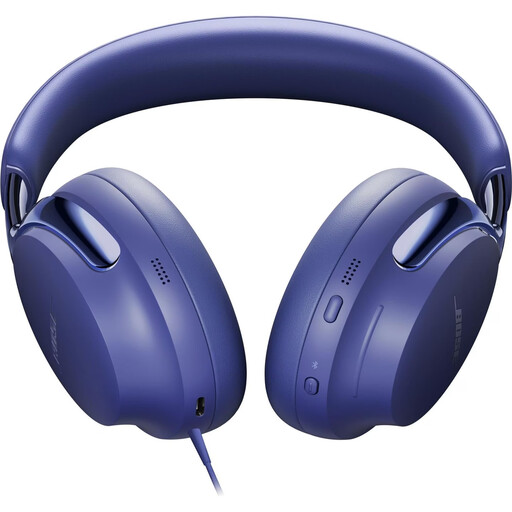 No image available
An over-ear ANC option if you want to listen to a prepared practice track despite cabin noise.
The product details list Bluetooth playback, USB-C audio and an audio cable. Battery life is stated as up to 30 hours; check the operating mode that matters to you.
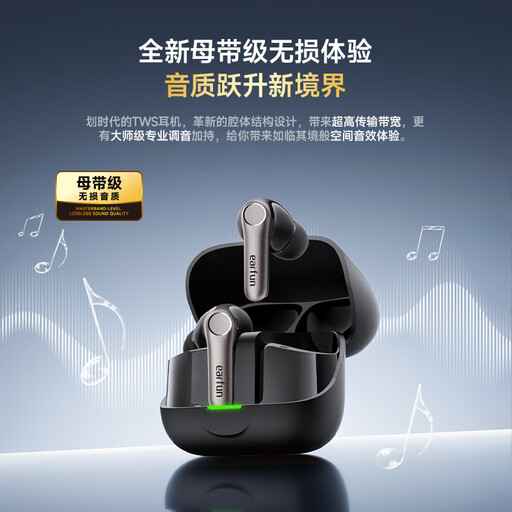 No image available
Compact ANC in-ears for travellers who prefer something small and easy to pack over over-ear headphones.
The product details list adaptive ANC, Bluetooth playback, a charging case and eartips in sizes XS to XL. Check that the eartips stay comfortable during longer listening sessions.
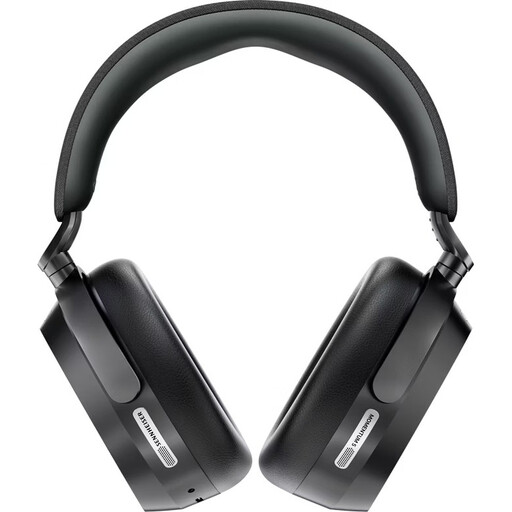 No image available
Closed-back over-ears with ANC for listening to a practice track repeatedly while travelling.
The product details list up to 57 hours of playback with ANC and an audio cable. Compare battery life in the mode you plan to use.
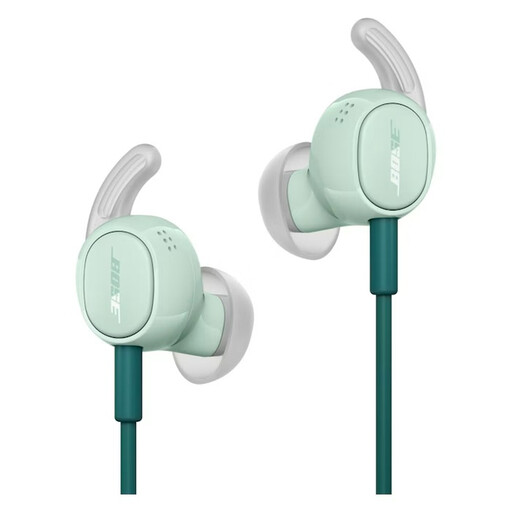 No image available
A wired in-ear option if you want ANC without pairing over Bluetooth.
The product details list USB-C audio and Quiet Mode with ANC. You’ll need a compatible USB-C device; eartips in three sizes and stability wings are also included.
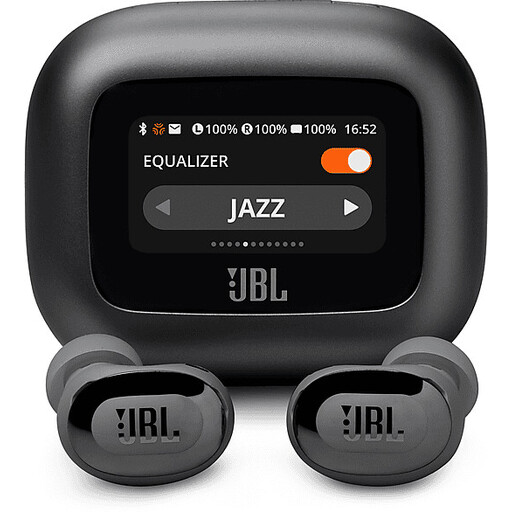 No image available
Compact true wireless in-ears with ANC for listening to a practice track on the go.
The product details list up to 8 hours of music playback with ANC per charge and up to 40 hours including the charging case. Actual battery life depends on the mode you use.
No. ANC reduces noise where you’re listening, but it doesn’t separate voices within a recording. A prepared track featuring the voice you want to practise can help.
Test the file in advance with the source you plan to use, and with any cables and adapters you might need. If you’re recording your voice, check monitoring with the specific app and interface you’ll be using: with direct interface monitoring, extra software monitoring can create a second, delayed signal.
There’s no blanket answer. The European Union Aviation Safety Agency leaves it to airlines to decide whether passengers can use portable electronic devices, and requires you to follow the crew’s instructions. Check the rules for your airline and specific flight.
Not necessarily. The World Health Organization recommends well-fitting noise-cancelling headphones, so you’re less likely to need to turn up the volume in noisy surroundings. A suitable practice track can also help you follow the voice you want to work on.
The European Union Aviation Safety Agency recommends carrying portable devices with lithium batteries in the cabin rather than in checked baggage. The rules of the airline operating your flight apply.