If you want to hear your own voice as you sing, start with a well-fitting pair of closed-back wired headphones connected to a suitable headphone output, and check the latency across the entire signal chain. For learning a finished recording, you don’t need live monitoring; a Bluetooth model with ANC may also be suitable, provided its connection, battery life and volume meet your needs. Headphones won’t make your singing quieter, so follow the rules of the campsite and practise considerately.
Which headphones are right for you?
Singers using live monitoring
If you want to hear your harmony vocals as you sing into a microphone, check the headphone output and the entire signal chain. Shure notes that with the X2u, routing the signal back through computer software can cause audible delay.
Singers learning harmony parts
If you’re listening to a finished recording repeatedly, a comfortable fit matters, as does a volume that lets you follow the vocal part without simply turning it up to drown out distracting background noise.
Travellers practising for longer sessions
If you practise for longer and take your kit with you, compare the fit, cable length and how easy the headphones are to pack. Replaceable ear pads may also be worth considering if you use your headphones frequently.
What should you look for when buying?
Wired live monitoring
Suitable if: You want to hear your voice as you sing into a microphone, using a suitable headphone output.
Trade-off: A cable won’t prevent delays caused by software or other devices in the signal path.
Bluetooth or ANC for recordings
Suitable if: You mainly listen to a recorded harmony part and freedom of movement matters more than low-latency live monitoring.
Trade-off: Bluetooth can introduce audible transmission latency. Also check that the battery life and connection suit your needs.
Open-back design
Suitable if: You’re listening to a recording somewhere quiet and sufficiently secluded, where the lower level of isolation won’t be an issue.
Trade-off: Open-back headphones aren’t the obvious choice on a pitch next to other campers or for live monitoring.
| Buying priority |
What to look for |
Who is it important to? |
| Low-latency monitoring |
Check for direct monitoring on your recording device, a suitable headphone output and a low-latency signal chain throughout. |
If I want to hear my voice directly as I sing, I need a signal path with as little delay as possible. Around 36% of consumers put live monitoring first. |
| Isolation and consideration for others |
Check the fit of closed-back ear cups and how much sound leaks at your usual listening volume. ANC and headphones won’t dampen your singing voice. |
If I want to hear my recording despite noise on the pitch and minimise the disturbance to others, I pay attention to fit and volume. Around 29% of consumers prioritise isolation and consideration for others. |
| Connections and portability |
Check that the plug and cable length work with the output you’re using, and whether any adapter you need is included. |
If I want to switch between my mobile phone, laptop or recording device and take my kit with me, the connection needs to suit my setup. Around 21% of consumers prioritise portable connections and easy transport. |
| Fit and sensible volume |
Try the headphones on for the length of a typical practice session and keep the volume low. The WHO recommends taking breaks during long listening sessions and not turning the volume up to drown out background noise. |
If I’m practising for longer, I want a comfortable fit and a volume that protects my hearing. Around 14% of consumers focus on long-lasting comfort and sensible volume. |
Common misconceptions
-
Confusing sound isolation with quiet singing
Closed-back ear cups and ANC affect what you hear; they won’t make your voice quieter outside the headphones. Campsite rules still apply.
Check the campsite rules and, if needed, sing more quietly or find a more suitable spot.
-
Overlooking Bluetooth latency during live monitoring
Bluetooth can introduce audible delay into the audio you hear. Routing the signal back through recording software can add further latency too.
Test your voice through the complete signal chain and check whether your recording device supports direct monitoring.
-
Assuming model variants and cables are interchangeable
Different versions can vary in impedance, connection and cable design. For example, Audio-Technica notes that its documented Mx replacement cable isn’t compatible with the ATH-M50xBT or ATH-M50xBT2.
Before buying, check the full model name, output, plug and accessory compatibility. Depending on your setup, you may need a suitable adapter or an exact replacement cable.
Brands and models to consider
Audio-Technica
The ATH-M40x and ATH-M50x are closed-back, wired monitor headphones for recording or listening through a suitable output.
- Audio-Technica describes both models as foldable and supplied with a detachable cable. The ATH-M40x comes with a straight 3.0 m cable and a coiled cable; the ATH-M50x includes a straight 1.2 m cable.
- These specifications don’t guarantee any particular level of vocal clarity or isolation at your pitch. According to the manufacturer, the documented Mx replacement cable isn’t compatible with the ATH-M50xBT or ATH-M50xBT2.
beyerdynamic
The manufacturer recommends the DT 770 PRO, 32 ohms, for mobile devices. The DT 770 PRO X is a separate monitoring model.
- For the DT 770 PRO, 32 ohms, beyerdynamic lists replaceable ear pads and a 3.5 mm stereo jack plug with a 6.35 mm adapter.
- The DT 770 PRO X has 48 ohms and a detachable Mini-XLR cable. These features don’t automatically apply to other DT 770 versions; also check the fit and output level.
Sennheiser
The closed-back, wired HD 280 PRO is designed for recording and monitoring.
- Sennheiser lists a foldable design, replaceable ear pads and a 3.5 mm plug with a 6.3 mm adapter. The manufacturer states that it can attenuate ambient noise by up to 32 dB.
- That quoted attenuation isn’t guaranteed for every fit or type of noise. Check that the cable is long enough for your practice spot.
Shure
Shure describes the SRH440A as closed-back studio headphones for recording and monitoring.
- The US product page lists a detachable straight cable, a padded headband and a 6.3 mm adapter.
- These details describe the version shown on that page; they don’t tell you what the delivery or warranty terms are in the UK.
Sony
Sony lists the wired MDR-7506 for studio and broadcasting use.
- Sony Germany lists an impedance of 24 ohms, a stereo mini jack plug and a carry pouch. The product page specifies a 3 m cable.
- Whether the cable length is practical at your pitch depends on your setup. Manufacturer specifications are no substitute for trying the fit and sound for yourself.
Joybuy products for listening to recordings
The following closed-back Bluetooth headphones with ANC are options to consider for listening to recorded harmony vocals. For low-latency live monitoring, the entire signal path remains crucial.
 No product image available
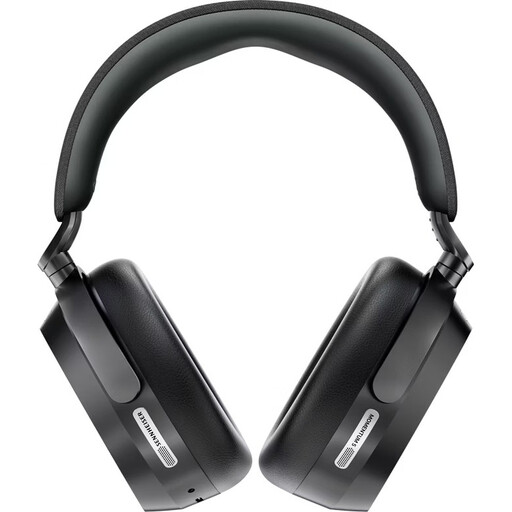
Sennheiser Momentum 5 Wireless, Black
The closed-back design and ANC are useful when listening to a recording at your pitch; ANC won’t dampen your singing voice.
Bluetooth 5.4; up to 57 hours of playback with ANC, according to the product details; replaceable battery. The product description also lists a 3.5 mm audio cable for wired listening.
View at Joybuy
 No product image available
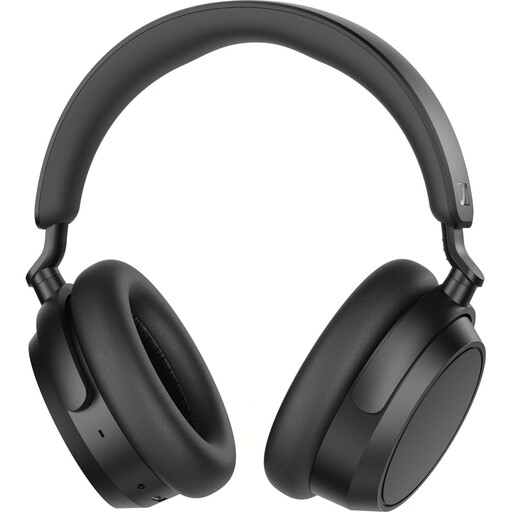
Sennheiser Accentum Plus Wireless, Black
The closed-back design and ANC suit listening to recorded harmony vocals; check the fit and connection with your device.
Bluetooth 5.2; up to 50 hours of battery life, according to the product details; detachable cable.
View at Joybuy
 No product image available
CMF Headphone Pro, Light Green
The closed-back design and ANC are specified for listening to finished recordings. They don’t automatically eliminate latency from a live signal chain.
Bluetooth 5.4; adaptive ANC modes; up to 100 hours of playback without ANC, according to the product details; replaceable ear pads.
View at Joybuy
Frequently asked questions
How can I hear my own voice as I sing without distracting delay?
Check whether your recording device offers direct monitoring and a suitable headphone output. Shure notes that with the X2u, routing the signal back through computer software can cause audible delay; this doesn’t necessarily apply to other devices.
Do I need studio headphones to listen to a recorded harmony part?
No. Live monitoring isn’t necessary for listening to a finished recording. Make sure you can follow the part on your playback device with a comfortable fit and at a sensible volume.
Can I sing loudly at any time at a campsite in Germany if I’m wearing headphones?
No. Wearing headphones doesn’t automatically mean you can sing loudly. Under § 117 OWiG, avoidable noise that causes significant disturbance to neighbours may be an offence; the relevant legal requirements apply. The rules of each campsite also apply: for example, Campingplatz Naabtal in Pielenhofen specifies quiet hours from 22:00 to 07:00 and prohibits noise that disturbs the peace during the day too. These hours aren’t a standard rule for every campsite.
How can I protect my hearing during longer practice sessions?
Keep the volume low, take breaks during long listening sessions and don’t simply turn it up to drown out background noise. The WHO recommends well-fitting headphones and turning the volume down when outside noise makes it harder to hear.


