If office noise drowns out your practice track, a well-fitting, closed-back pair of headphones is a sensible place to start. ANC may help further, but it won’t reliably block out conversations completely. If you need to hear your own voice or respond to someone, try using an ambient mode at your desk, or take your headphones off while singing. For repeated listening at a fixed workstation, a wired model could also work, provided the connection and your awareness of your surroundings are suitable.
Who are the different models suitable for?
People practising in open-plan offices
If you want to listen to a harmony part repeatedly despite background noise, look for a good fit and clear playback that doesn’t need to be unnecessarily loud. The WHO recommends well-fitting headphones and notes that ANC can help reduce the need to turn up the volume in noisy environments.
Quiet practice at your desk
If you want to listen to the practice track and check your own voice from time to time, consider how well you can hear yourself through the headphones and whether the sound stays discreet in a shared space. The DGUV recommends taking your working environment and day-to-day tasks into account when choosing a headset.
People who need to remain available
If you need some peace and quiet at times but still have to respond to colleagues or important signals, an easily accessible ambient mode could be useful. Check at your actual workplace whether you can hear everything you need to; the DGUV emphasises that your specific working conditions should guide your choice.
What should you look for when buying?
Closed-back, wired studio headphones
A good fit if: you listen to a practice track repeatedly at a fixed workstation and your device has the right audio connection.
Consider: Without a dedicated ambient mode, you’ll need another way to make sure you can hear people and important signals.
Closed-back ANC over-ear headphones
A good fit if: you want adjustable noise isolation for different workspaces.
Consider: ANC can reduce low-frequency noise particularly well, but it doesn’t guarantee that conversations will be blocked out. TÜV SÜD highlights the importance of fit and the type of noise.
ANC in-ear headphones
A good fit if: you want a compact model and the ear tips fit securely.
Consider: Check that they’re comfortable to wear for longer periods and that the features you need work with your playback device.
| Priority |
What to check when buying |
Who it matters most to |
| Reducing background noise |
Fit and closed-back design; if you’re considering ANC, check which sounds you can still hear at your own workplace. |
If I don’t want to turn up the track in a busy office, I look for a good fit and suitable noise isolation. Around 33 % of consumers prioritise reducing background noise. |
| Picking out the practice track |
Try the actual recording on your own playback device; for wired models, check that you have the right connection. |
If I want to focus on the harmony part while keeping playback discreet in a shared space, getting this balance right is crucial. Around 27 % of consumers prioritise listening to the practice track. |
| Staying available |
Try the ambient or transparency mode and check that you can still hear people and any important signals. |
If I need to respond to colleagues or important signals while practising, noise isolation can’t be the only deciding factor. Around 20 % of consumers prioritise staying available. |
| Fit and connection |
Check the fit with glasses or suitable ear tips; make sure the socket and any device-dependent features are compatible. |
If I need a comfortable fit and a suitable connection for repeated practice, I check both before buying. Around 20 % of consumers prioritise comfort and connectivity. |
Which assumptions should you avoid?
-
ANC blocks out conversations completely
Its effectiveness also depends on the fit and the type of noise. TÜV SÜD describes ANC as particularly effective against low-frequency noise, but that doesn’t mean conversations will disappear.
Try the headphones with typical office noise at a moderate volume. Check that you can hear people and any important signals.
-
‘Studio’ or surround sound automatically makes learning easier
Product labels and playback modes don’t tell you whether your particular practice recording will reproduce the harmony part clearly enough or separate the individual voices.
Try the recording you actually use on your playback device, and check while practising that you can hear your own voice well enough.
-
Fit and replaceable parts are unimportant
An uncomfortable fit can make repeated listening difficult. Sennheiser says the HD 280 PRO has replaceable ear pads.
Check the fit with your glasses or suitable ear tips, and ask about replacement parts for the exact model.
Which brands and model ranges are worth considering?
Sennheiser
The HD 280 PRO is a closed-back, wired option for a fixed practice space.
- Sennheiser lists replaceable ear pads, a 3.5 mm plug with a 6.3 mm adapter and ambient noise attenuation of up to 32 dB.
- The manufacturer’s figure doesn’t guarantee that conversations will be reduced by the same amount at your office desk; the headphones need a wired connection.
Audio-Technica
The ATH-M50x is a closed-back studio headphone with a detachable cable.
- Audio-Technica describes this model as offering passive noise isolation and wired monitoring.
- Check that its passive noise isolation and connection suit your workplace and playback device.
Sony
The WH-1000XM6 is a closed-back ANC over-ear headphone with an ambient mode and a wired option.
- Sony’s specifications list a 3.5 mm input, Multipoint and an ambient mode.
- The manufacturer’s claims about noise-cancelling performance don’t show how well you’ll be able to hear conversations in your particular workplace.
Bose
The QuietComfort Ultra Headphones (2nd Gen) are described as suitable for different situations, with ANC and an ambient mode.
- Bose lists an adjustable EQ and up to 30 hours of playback under the conditions specified by the manufacturer.
- Manufacturer comparisons of noise cancellation aren’t independent proof that the headphones are suitable for singing practice in an office.
Apple
The AirPods Pro 3 are a compact in-ear alternative with ANC and Transparency mode.
- Apple lists both listening modes for this model.
- Apple notes that some features may be limited when used with devices from other providers. Check the fit and the features you need with your playback device.
Which Joybuy products suit this scenario?
This selection includes wired earphones and wireless ANC over-ear models. Compare the connection, fit and how much awareness of your surroundings you need.
 No image available
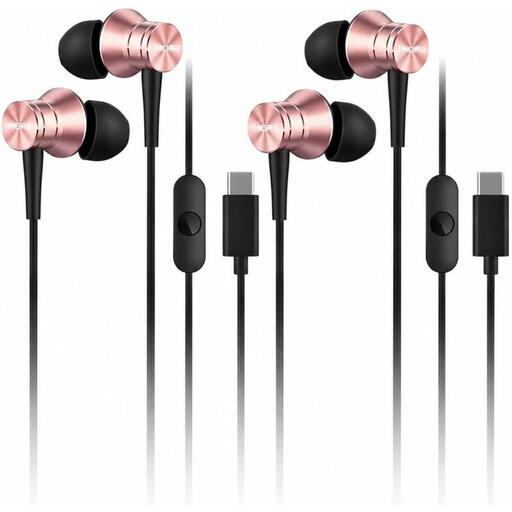
1MORE Piston P10, USB-C, Pink
A wired option if your playback device has a compatible USB-C audio connection.
USB-C connection and built-in remote control.
View at Joybuy
 No image available
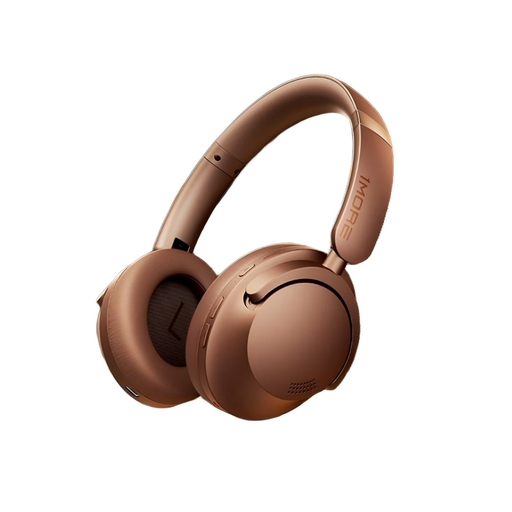
1MORE HQ51 SonoFlowPro, Mocha Brown
An over-ear option with ANC and Aware mode if you want to switch between noise isolation and hearing your surroundings.
The product description lists Bluetooth and an Aware mode. ANC doesn’t guarantee that conversations will be blocked out completely in an office.
View at Joybuy
 No image available
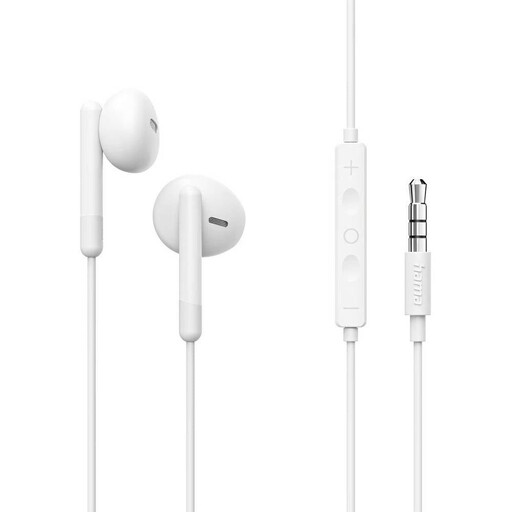
Noble wired in-ear headphones, 3.5 mm
A wired in-ear option if your device has a suitable 3.5 mm audio connection and the ear tips fit comfortably.
The product description lists a 1.2 m cable and a built-in remote control.
View at Joybuy
 No image available
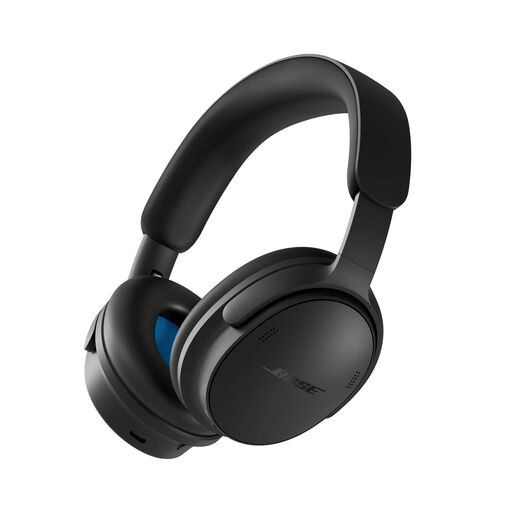
Bose QuietComfort Headphones (2nd Gen), Black
An over-ear option with ANC and Aware mode if you want to switch between noise isolation and hearing your surroundings at work.
The product details list Bluetooth, a 3.5 mm headphone socket and an Aware mode. ANC doesn’t guarantee that conversations will be blocked out completely.
View at Joybuy
 No image available
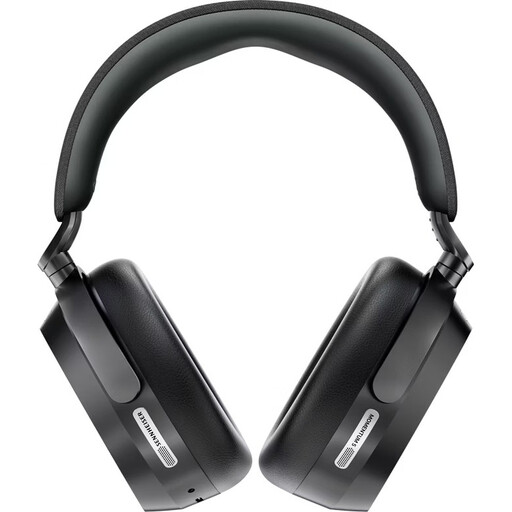
Sennheiser Momentum 5 Wireless, Black
A closed-back over-ear option with ANC and Transparency mode, so you can hear your surroundings when you need to.
The product description lists Bluetooth 5.4 and a 3.5 mm connection. ANC doesn’t guarantee that conversations will be blocked out completely here, either.
View at Joybuy
Frequently asked questions
Can I be sure to hear my own voice and my colleagues when using ANC in the office?
Not necessarily: noise isolation can also make you less aware of your surroundings. Try the ambient mode at your workplace and take your headphones off if you can’t reliably hear important signals or people otherwise. The DGUV recommends considering your specific working conditions when choosing a headset.
How can I keep the volume as low as possible when practising repeatedly?
Set playback to the quietest practical level and don’t try to drown out office noise by turning it up further. The WHO recommends well-fitting headphones and notes that ANC can help reduce the need for higher volumes in noisy environments. Your actual exposure depends on the volume and how long you listen.
What should I check when connecting to my office computer?
Check whether your computer has a suitable 3.5 mm output or supports Bluetooth for the headphones you want to use. Sennheiser lists a 3.5 mm plug for the HD 280 PRO; Sony lists Bluetooth and a stereo mini jack input for the WH-1000XM6.
What rights do I have when buying online in Germany?
For a qualifying purchase from a trader at a distance, you generally have 14 days from delivery to withdraw from the contract; exceptions and possible return costs should be taken into account. If goods are faulty, you have at least a two-year statutory guarantee against the seller. This is separate from any voluntary manufacturer’s warranty. This information is based on guidance from the EU’s Your Europe platform.
What should I check when buying Bluetooth headphones from an unfamiliar seller?
Look for correct CE marking and check that the product can be identified and the manufacturer’s details are accurate. The Federal Network Agency lists these points as part of its market surveillance.


