Learners in noisy surroundings
If you listen on the train or at home where there’s background noise, a good fit and effective isolation are important. They can help you follow spoken sections at a moderate volume.


Choose headphones based on where you listen to your downloaded lessons and which connection your playback device supports. Closed-back models may be an option in noisy surroundings, while open-back designs let you stay more aware of what’s around you. However, ANC doesn’t reliably block nearby conversations, as tests by the German Federal Institute for Occupational Safety and Health on headphones in 2019/2020 showed.
If you listen on the train or at home where there’s background noise, a good fit and effective isolation are important. They can help you follow spoken sections at a moderate volume.
If you’re listening to several lessons in one sitting, choose a design that feels comfortable to wear. With wireless models, battery life also depends on the mode you use.
If you want to be able to hear and respond to people while walking, an open-back design may be an option. However, it also lets in background noise and offers less isolation.
First, decide what matters most for your downloaded lessons: noise isolation, a comfortable fit, a connection that works with your playback device, or staying aware of your surroundings.
| Priority | What to check when buying | Who is this particularly important for? |
|---|---|---|
| Speech in noisy surroundings | Try the fit and isolation with one of your own course recordings in the place where you usually listen. Don’t assume ANC will filter out nearby conversations. | If I want to understand a quiet passage on the train or at home with background noise, I look at fit and isolation rather than relying on the ANC label alone. Around 31% of consumers prioritise noise isolation. |
| Comfortable fit | Test the ear pads, headband or earbuds for the amount of time you plan to listen. For wireless models, compare battery life with the ANC setting you’ll use. | When listening to several lessons in one sitting, I want my headphones to stay comfortable over longer periods. Around 25% of consumers prioritise wearing comfort. |
| Connection to your playback device | Check whether your device supports Bluetooth or the cable connection you need, and whether a suitable adapter is required for a wired model. | If my recordings are on a particular phone or computer, I want to be able to play them without connection issues. Around 25% of consumers prioritise device connectivity. |
| Staying aware of your surroundings | Check for an open-back design or an ambient mode you can control. Pause the recording when a situation needs your full attention. | When listening on foot, I want to be able to respond to people and hear what’s happening around me. Around 19% of consumers prioritise staying aware of their surroundings. |
Tests by the German Federal Institute for Occupational Safety and Health on headphones in 2019/2020 found no particular potential for selectively reducing speech in the surroundings. These results are not a test of every current individual model.
Don’t choose headphones based on the ANC label alone. Try the fit and isolation with one of your own recordings in the place where you plan to listen.
Manufacturers’ figures can vary depending on whether ANC is switched on. Sony lists different maximum battery life figures for the WH-CH720N with and without noise cancelling; JBL specifies that its maximum figure for the Tune 770NC applies with Bluetooth on and ANC off.
Only compare battery life figures for equivalent settings, and think about how long you actually listen for.
A 3.5 mm plug needs a compatible output or a suitable adapter. For the DT 270 PRO, beyerdynamic lists a USB-C-to-3.5 mm adapter as included; this doesn’t automatically apply to other models.
Before you buy, check your playback device’s audio output and what’s included with the specific headphones.
The WH-CH720N is a closed-back Bluetooth over-ear headphone with ANC, an ambient mode and a 3.5 mm connection.
ACCENTUM Wireless is an ANC over-ear model, while ACCENTUM Open is an open-back Bluetooth option for learners who want to stay more aware of their surroundings.
The Tune 770NC is a foldable Bluetooth over-ear headphone with ANC and ambient features.
The DT 270 PRO is a closed-back wired option for a dedicated study space or a compatible portable playback device.
This selection includes wireless over-ear headphones and a wired USB-C on-ear option for different playback devices and listening situations.
 No image available
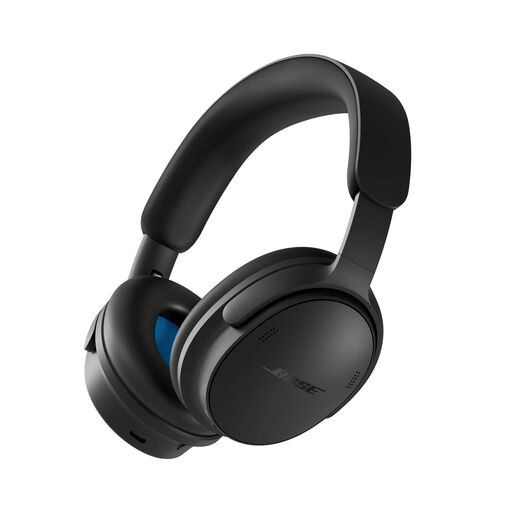
For lessons on a Bluetooth-enabled device, this wireless over-ear design with ANC is one option.
Quiet and Aware modes; up to 24 hours of battery life with ANC. Bluetooth and an included 3.5 mm-to-USB-C audio cable are listed.
 No image available
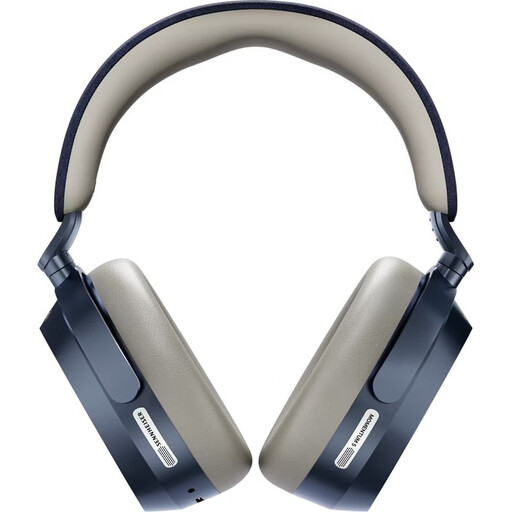
This ANC over-ear model could be a good choice for longer wireless listening sessions.
The product details list Bluetooth, an audio cable, a transparency mode and up to 57 hours of playback with ANC.
 No image available
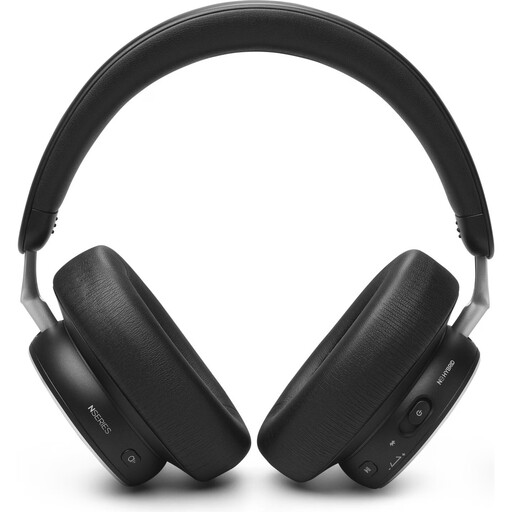
Both wireless and wired playback are listed, so you can switch between the two connection types.
ANC, Bluetooth 5.3 with Multipoint and a 3.5 mm connection; the product details also list a foldable design and up to 55 hours of battery life.
 No image available
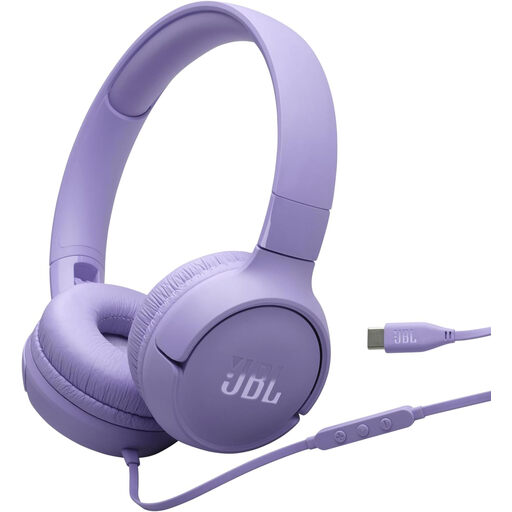
This on-ear design with a USB-C connection is an option for listening to lessons through a wired connection.
The details list a built-in microphone and a one-button remote. You’ll need a compatible USB-C audio port for playback.
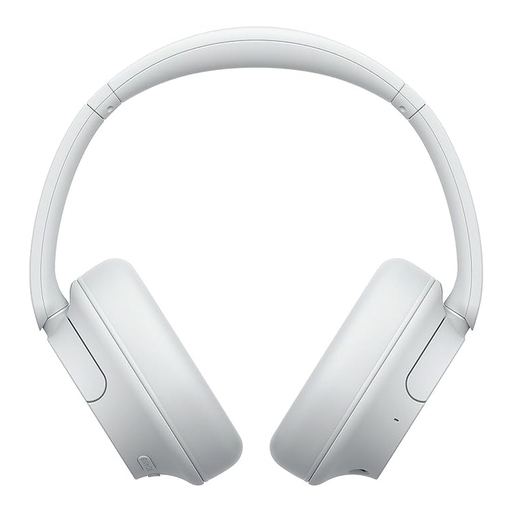 No image available
For wireless lessons in noisy surroundings, this model offers an over-ear design and ANC, plus an ambient mode for another way to listen.
Bluetooth, Multipoint and a 3.5 mm audio connection; listed weight is around 192 g. Sony gives a maximum battery life of 35 hours with ANC and 50 hours without it.
No, as long as the lessons are stored on your playback device and it can play them through Bluetooth or a suitable audio connection. For wired models, check the plug and whether you need an adapter. With Bluetooth, you’ll need to pair the headphones with your playback device.
Put the headphones into pairing mode, then select them in your playback device’s Bluetooth settings. If you want to use two sources, check whether the specific model supports Multipoint and that both devices are paired. Then test pausing and resuming your course recording.
Don’t rely on ANC to selectively block out nearby conversations. Tests by the German Federal Institute for Occupational Safety and Health on headphones in 2019/2020 found no particular potential for this, but they don’t establish how every individual model performs. Try the fit and isolation with one of your own recordings.
The World Health Organization recommends considering volume and listening duration together. If a passage is difficult to understand, first check the fit and isolation rather than simply turning up the volume. Taking regular breaks can also be part of your listening habits.