Well-fitting ANC over-ear headphones or noise-isolating ANC in-ear headphones are worth considering for language lessons on the train if travel noise makes it harder to understand what you’re hearing. The WHO recommends well-fitting, noise-cancelling headphones to reduce the temptation to turn up the volume in noisy surroundings. If you need to hear announcements, make sure you can quickly switch to transparency or ambient mode, and stay alert. Open-ear headphones let more of your surroundings in, but do less to block out train noise.
Who are the different styles suitable for?
Language learners on noisy train journeys
If you want to understand spoken lessons without turning up the volume to compete with train noise, start by checking the fit and noise cancellation. The WHO recommends well-fitting, noise-cancelling headphones in noisy environments.
Passengers who need to hear announcements
If you need to pay attention to announcements and your surroundings as soon as you arrive at a stop, easy-to-reach controls and an ambient mode are important things to look for. Deutsche Bahn advises that listening to music loudly, even through headphones, is not welcome in ICE quiet zones.
Learners travelling light
If you want to carry as little as possible, in-ear headphones can save space. Check that the ear tips feel comfortable and that the earbuds’ battery life will last for your journey. Remember that the battery life quoted with the charging case is a separate figure.
What should you look for when buying?
For language lessons on the train, the main priorities are clear speech at a moderate volume, awareness of important announcements and a comfortable fit. The points below can help you choose a style and features to suit your journey.
| What matters |
What to check when buying |
Who is this important to? |
| Speech clarity |
Test the fit and ANC with a spoken lesson at a moderate volume. |
If I want to understand voices over the sound of the train without turning the volume up unnecessarily. Around 31% of consumers put clear speech first. |
| Hearing announcements |
Check how easy it is to switch to ambient mode and pause playback; continue to listen out for important announcements. |
When changing trains, I want to be able to switch quickly from my lesson to listening for announcements. Around 25% of consumers prioritise announcements and awareness of their surroundings. |
| Fit and portability |
Check how they feel over the usual length of a lesson and how much space they take up; for in-ear headphones, make sure the ear tips fit properly. |
If I’m listening for a long time or travelling light, I want a comfortable style that fits easily in my luggage. Around 19% of consumers look first for a comfortable fit and light luggage. |
| Battery life |
Compare battery life with the ANC setting you plan to use; for in-ear headphones, check the earbuds’ battery life separately from the case. |
On longer journeys, I don’t want to rely on being able to recharge my earbuds along the way. Around 13% of consumers put battery life first. |
| Cost and after-sales support |
Compare only the features you need for your lessons; check returns policies and your statutory rights separately. |
If I mainly listen to language lessons, I want to pay for the features I need rather than unnecessary extras. Around 12% of consumers prioritise cost and after-sales support. |
Which buying misconceptions should you avoid?
-
Assuming the biggest advertised battery-life figure applies with ANC on
For the JBL Tune 770NC, JBL quotes up to 70 hours with ANC switched off and, separately, up to 44 hours of wireless playback. The longer figure therefore does not apply when using noise cancellation.
Compare battery life under the conditions in which you actually plan to listen. With in-ear headphones, also distinguish between battery life per charge and the extra battery life provided by the charging case.
-
Choosing noise isolation when hearing announcements is your priority
Noise cancellation and awareness of your surroundings are different requirements. Noise isolation alone does not guarantee that you’ll hear announcements.
Check how quickly you can switch to ambient mode and pause playback. At important stops, continue to listen out for announcements yourself.
-
Assuming ANC means you can turn the volume up as high as you like
The WHO notes that both sound level and listening time contribute to the strain on your hearing. Noise cancellation is no reason to keep increasing the volume.
Choose well-fitting headphones and, where appropriate, use ANC to keep the volume down.
Which brands are worth considering?
Sony
The WH-1000XM6 is a closed-back wireless over-ear model that learners can use as a point of comparison when considering a noise-isolating design.
- Sony Germany lists the WH-1000XM6 as weighing approximately 254 g.
- Its weight does not prove that it will feel comfortable for you or that speech will be clear on a particular train journey.
Bose
The QuietComfort Ultra Headphones (2nd Gen) are over-ear headphones for buyers looking to compare ANC and customisable controls.
- Bose quotes up to 30 hours of playback for this model, or 23 hours with 360-degree sound.
- These are manufacturer figures, not an independent measurement of how long the headphones will last on your train journey.
JBL
The Tune 770NC combines an over-ear design with ANC, ambient modes and the ability to connect to two Bluetooth devices.
- JBL quotes up to 70 hours with ANC switched off and, separately, up to 44 hours of wireless use.
- The 70-hour figure does not apply when ANC is switched on; you’ll need to check for yourself how clearly you can hear your lessons.
Apple
AirPods Pro 3 are compact ANC in-ear headphones with a transparency mode.
- Apple lists ANC and transparency mode in the AirPods Pro 3 technical specifications.
- Apple says the earbuds also work with devices from other manufacturers as Bluetooth headphones, but with limited functionality. Check, too, that the ear tips feel comfortable.
Shokz
OpenFit 2 are an open-ear alternative if staying aware of your surroundings is the priority.
- The open fit lets you remain aware of your surroundings.
- On a noisy train, the sound of the journey can also intrude on your lesson; this does not prove that spoken content will remain clear.
Sennheiser
MOMENTUM 5 Wireless are over-ear headphones with ANC and a transparency mode, designed for longer journeys.
- Sennheiser quotes up to 57 hours of playback with ANC switched on.
- This is a manufacturer figure for this model, not proof that speech will be clearer than with other headphones.
Joybuy headphones for language lessons on the train
The Joybuy models below include ANC in-ear headphones and wireless over-ear headphones for language lessons on the go.
 No image available
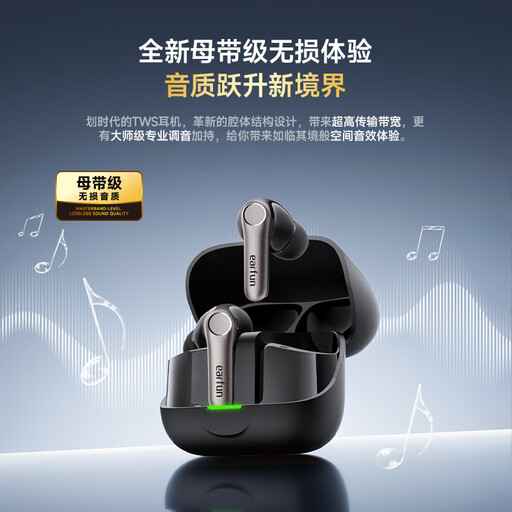
EarFun Air Pro 4+ Hi-Res Dual Driver ANC Earbuds, Black
The in-ear design is worth considering if you want to save space in your luggage while studying on the go; check the fit of the ear tips first.
The product details list five sizes of ear tips. Battery life is up to 12 hours per charge with ANC switched off; the figure of up to 54 hours includes the charging case.
View at Joybuy
 No image available
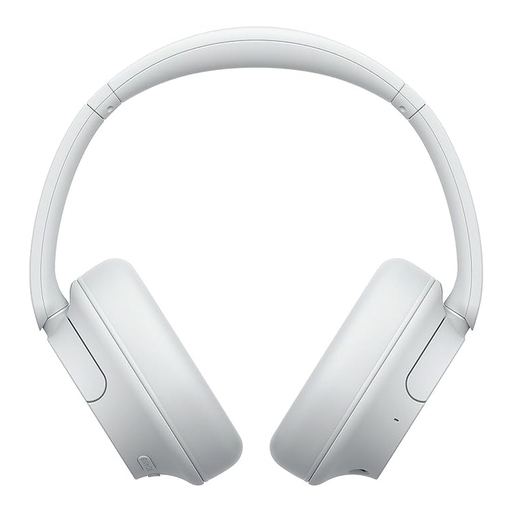
Sony WH-CH720N, White
If you prefer over-ear headphones for language lessons, you can try this wireless noise-cancelling model on your journey to see how it fits and how easy it is to use.
The product name lists a weight of 192 g. Compare the battery-life figures with the ANC setting you want to use.
View at Joybuy
 No image available
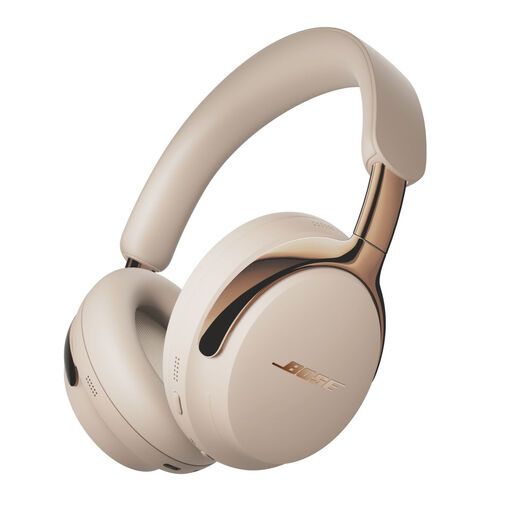
Bose QuietComfort Ultra, 2nd Generation, Driftwood Sand
This over-ear model is an option if you’re looking for wireless headphones for longer journeys; check that the fit and size work for you and your luggage.
The product name lists the Driftwood Sand colour. When checking battery-life figures, look at the playback conditions they apply to.
View at Joybuy
 No image available
Samsung Galaxy Buds4 Pro, Black
These true wireless in-ear headphones are worth considering if you prefer a compact design for travelling. Check whether the controls make it easy to switch between listening and staying aware of your surroundings.
The product details list up to 6 hours of playback with ANC per charge and up to 26 hours including the charging case.
View at Joybuy
 No image available
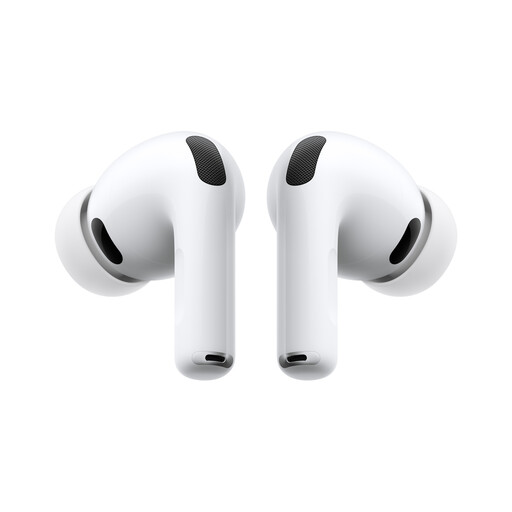
Apple AirPods Pro 3
The in-ear design is a compact option for language lessons on the go; check that the ear tips feel secure and comfortable.
Apple lists ANC and transparency mode for AirPods Pro 3. Apple says they also work with devices from other manufacturers as Bluetooth headphones, but with limited functionality.
View at Joybuy
Frequently asked questions
How can I listen to language lessons on a noisy train without constantly turning up the volume?
Well-fitting noise-cancelling headphones can help reduce the temptation to turn the volume up. The WHO identifies both volume and listening time as important factors in hearing strain. Its guideline of 80 dB for up to 40 hours a week is not a level that any particular pair of headphones automatically stays within.
How should I set up my headphones if I need to hear announcements at a stop?
Pair your headphones before travelling, try out ambient mode and familiarise yourself with the pause control. According to the Sonos Ace user guide, you can switch between ANC and Aware mode at the press of a button; for other models, check the instructions for your headphones and continue to listen out for announcements.
What do returns and legal guarantees mean when buying online in Germany?
Many distance purchases generally come with a 14-day cancellation period, although exceptions and specific return conditions should be checked separately. This is different from the statutory guarantee for faulty goods, which lasts for at least two years under EU law. An additional manufacturer’s warranty is not the same thing. Your Europe, the European Union’s consumer portal, explains these rights.
Should I look for a CE mark, and does the railway ban headphones?
The Bundesnetzagentur lists the CE mark, manufacturer details and German-language instructions among the points checked during market surveillance. Deutsche Bahn says that listening to music loudly, including through headphones, is not welcome in ICE quiet zones. This rule applies to quiet zones and is not a general ban on headphones.


