Learners on noisy trains
If the noise of the train masks words, try your own lesson and see if you can understand everything at a moderate volume. Well-fitting headphones can help you avoid the temptation to turn the volume up.


For language lessons on the train, the first thing to consider is whether in-ear or over-ear headphones feel comfortable and let you understand your lesson at a moderate volume. Well-fitting in-ear headphones take up less space; over-ear headphones may be more comfortable for longer wear if the ear cushions fit well. The WHO recommends well-fitting headphones, with noise cancelling if appropriate, so you’re less tempted to turn up the volume in noisy surroundings. However, ANC or an ambient mode can’t guarantee that you’ll hear every announcement.
If the noise of the train masks words, try your own lesson and see if you can understand everything at a moderate volume. Well-fitting headphones can help you avoid the temptation to turn the volume up.
If you need to keep track of stops and announcements, you should be able to pause your lesson easily. Ambient mode lets in outside sounds, but it’s no substitute for actively checking travel information.
If you’ll be listening for a long time, comfort, size when packed away and battery life with your preferred settings all matter. Try them on for a typical journey’s length.
| What matters | What to check when buying | Who is it particularly important to? |
|---|---|---|
| Speech clarity | Try your own lesson at a moderate volume; compare the fit and how well the headphones passively block noise. | If the noise of the train masks words, I want to understand my lesson rather than simply listen at a higher volume. Around 36% of consumers would put speech clarity first. |
| Keeping track of announcements | Try the pause function and, if available, ambient mode; also make a point of checking important travel information. | If I have a stop or connection coming up, I want to be able to pause my lesson quickly and listen out for announcements. Around 29% of consumers would prioritise being able to hear announcements. |
| Comfort and packed size | Try them on for the length of a typical journey; consider whether the headphones or case will fit in your everyday bag. | If I’m studying for longer or have limited space in my bag, my headphones need to feel comfortable and be easy to pack away. Around 21% of consumers would prioritise comfort and packed size. |
| Battery, connection and overall cost | Check battery life with your preferred ANC setting and make sure the connection is compatible with your playback device; check the seller’s information about your legal rights. | If I want to rely on my headphones for a lesson, I look for compatible connections and battery life that suits my settings. Around 14% of consumers would put battery and connection first. |
Noise cancelling and hearing a specific announcement are two different things. A feature that lets in outside sound doesn’t guarantee you’ll be able to understand an announcement.
Try switching modes and using the pause function before your journey. If you have an important stop coming up, pause your lesson and check travel information as well.
Claimed battery life can depend on whether ANC is switched on and whether the figure refers to the earbuds alone or the earbuds together with the charging case.
Compare battery life figures using the same ANC setting and the same basis of measurement.
A product review won’t tell you whether a model feels comfortable in your ears or lets you understand your own lesson clearly.
For in-ear headphones, try different-sized ear tips; for over-ear headphones, check how the cushions fit. Judge comfort over a realistic listening period.
For consumer purchases in the EU, your statutory rights are against the seller. A voluntary manufacturer’s warranty doesn’t replace these rights.
Keep your proof of purchase and the seller’s details, and read any additional warranty terms separately.
The WH-1000XM6 is an over-ear model with ANC and ambient mode. Check that the fit and controls suit your train journeys.
The Tour One M3 is an over-ear model. If you’re weighing up wired use against ANC, check the connections and controls on the specific model.
The EAH-AZ100 is a compact in-ear option if you can find ear tips that fit and want to save space in your bag.
The Liberty 4 NC are a compact in-ear alternative with ANC and multipoint, handy if you switch between devices.
The MOMENTUM 4 Wireless is an over-ear option if you’re planning longer journeys and want a model with ANC and transparency mode.
This selection includes wired USB-C in-ear headphones, as well as ANC in-ear and over-ear models. Check that the connection is compatible, the fit is comfortable and you can understand your lesson at a moderate volume.
 No image available
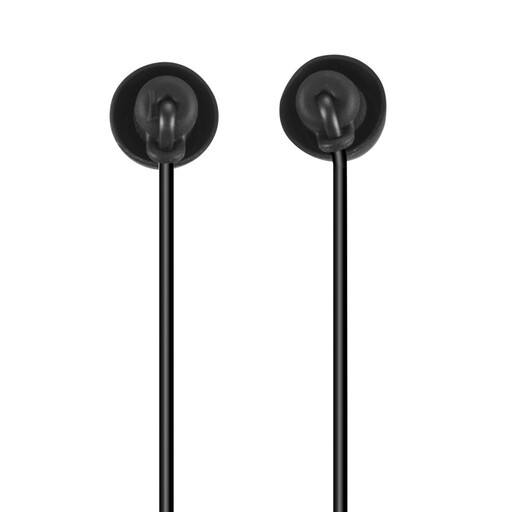
A wired in-ear option if your device has a compatible USB-C audio output.
The product name specifies a USB-C connection, microphone and cable strain relief. Check that the connection is compatible with your playback device before buying.
 No image available
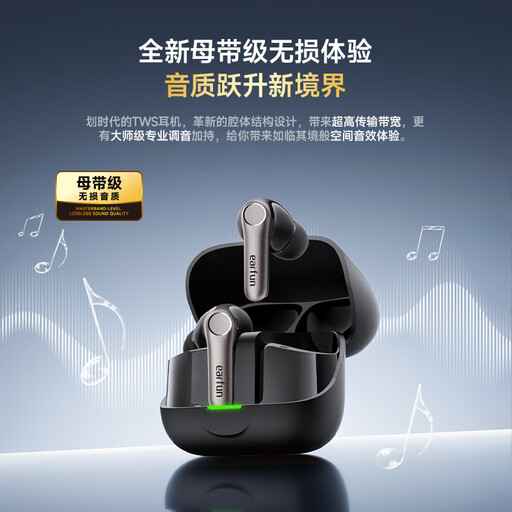
An in-ear option if you’re looking for ANC in a compact design. Check the fit and speech clarity using your own lesson.
The product name lists Bluetooth 6.0, aptX Lossless, LDAC and IP55.
 No image available
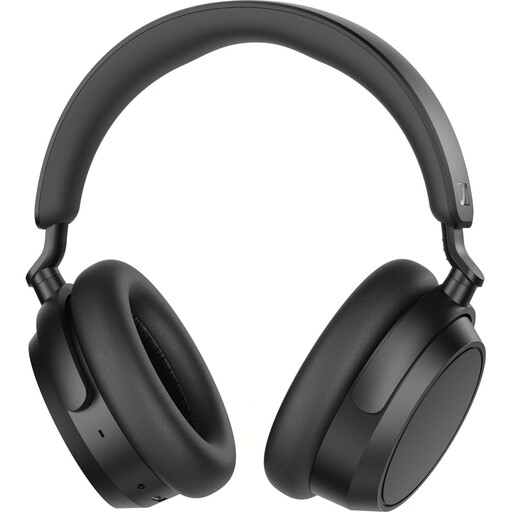
An over-ear option with ANC if you’re planning longer journeys and find the ear cushions comfortable.
The product name lists 50 hours of battery life, Bluetooth 5.2 with aptX and multipoint, as well as a detachable cable. Check that the battery-life figure suits your settings.
 No image available
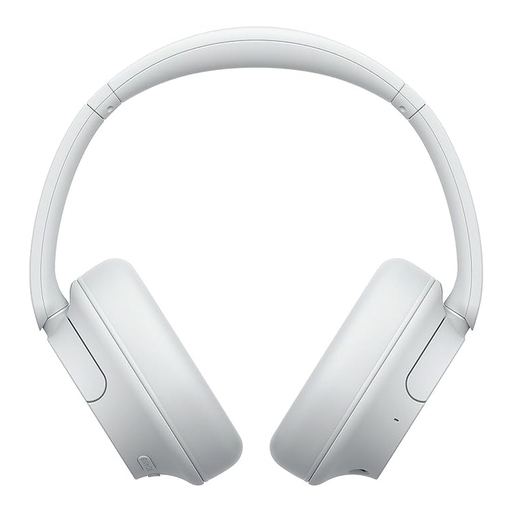
An over-ear option with noise cancelling if you’re planning longer journeys and find the fit comfortable.
The product name lists 35 hours of battery life and multipoint. Check in advance that the connection and controls work with your playback device.
 No image available
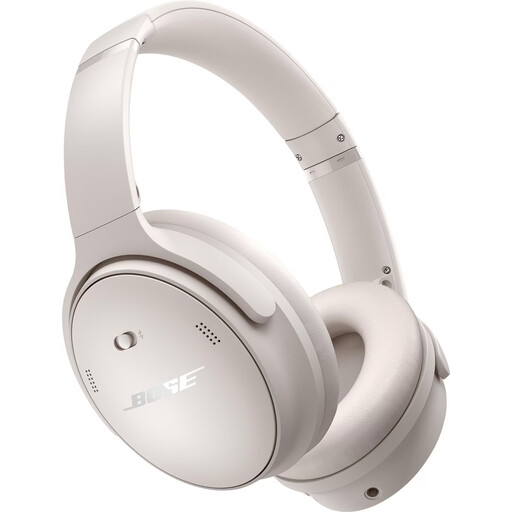
An over-ear option with noise cancelling if you prefer this style. Try them on for a longer listening period to check the fit.
The product name specifies wireless use and noise cancelling. Check that the connection is compatible with your playback device.
No. The WHO recommends well-fitting headphones, with noise cancelling if appropriate, so you’re less tempted to turn up the volume in noisy surroundings. Keep an eye on your volume and listening time; ambient mode doesn’t guarantee you’ll hear announcements.
Connect them to your playback device before setting off, or check that your existing cable connection is compatible. Try your own lesson at a moderate volume, as well as the pause function and, if available, ambient mode. If you’re using in-ear headphones, try different-sized ear tips.
Deutsche Bahn says that loud music, including through headphones, is not welcome in the quiet zone. Play your lesson in a way that doesn’t disturb other passengers. This applies to using the quiet zone and is not a general legal volume limit for headphones.
For consumer purchases in the EU, you have a statutory two-year guarantee against the seller from the date you receive the goods. Any additional manufacturer’s warranty does not replace these statutory rights.
The Bundesnetzagentur lists correct CE marking and product traceability among the points it checks when monitoring the market. Since 28 December 2024, EU charging rules have also applied to covered headphones and earbuds. For a specific product, check the device version and charging connection; this doesn’t mean that every individual model has already been checked.