Clear speech despite cabin noise
If you want to hear spoken directions in a noisy cabin, look for a well-fitting pair of headphones so you don’t need to turn up the volume unnecessarily.


For a spoken audio guide on a long flight, what matters most is a comfortable fit and clear speech despite cabin noise. Over-ear, in-ear and wired headphones mainly differ in fit, how much space they take up and how they connect. The WHO recommends well-fitting headphones, with noise-cancelling models where appropriate, so you don’t need to turn up the volume unnecessarily in noisy surroundings. For in-ears, check the battery life per charge; for wired models, check the actual device or seat connection. Also pay attention to safety announcements and follow the crew’s instructions, as recommended by the European Union Aviation Safety Agency.
If you want to hear spoken directions in a noisy cabin, look for a well-fitting pair of headphones so you don’t need to turn up the volume unnecessarily.
If you plan to listen to the audio guide for a long stretch, the most important thing is whether the ear cushions or eartips feel comfortable. In-ears can cause pressure for some people.
If you want to listen to the guide on your own device and perhaps use the in-flight entertainment too, check the connections for each source. A cable or a charging case with transmitter functionality is only useful if the connection is compatible.
A good fit if: You want to listen to the guide for a long time without wearing in-ears in your ear canals.
Consider: Over-ears take up more room in your hand luggage. You’ll need to decide for yourself whether the fit and pressure feel comfortable.
A good fit if: Compact size matters and you find the eartips comfortable.
Consider: In-ears can press on your ears, and you’ll need to pause playback while they recharge in their case.
A good fit if: You want a wired connection to a compatible device or seat socket.
Consider: The plug and socket need to match. The European Union Aviation Safety Agency also points out that cables can restrict movement during certain phases of a flight.
| What to consider | What to look for | Who needs to consider it? |
|---|---|---|
| Speech clarity | Check the fit and seal. Assess the noise cancellation of the specific model rather than relying on general marketing claims. | If I want to understand spoken directions despite cabin noise, I look for a well-fitting pair of headphones. Around 29% of consumers put speech clarity first. |
| Comfort | Check the sizes of the eartips, the ear cushions and the pressure from the headband. If possible, try on the style you prefer. | If I’m listening for a long stretch, I want my headphones to feel comfortable, rather than pressing on my ears or head. Around 29% of consumers prioritise comfort. |
| Continuous playback time | For in-ears, compare battery life per charge with ANC switched on. Total battery life with the case doesn’t mean you can listen continuously for that long. | If I want to listen to the guide without stopping to recharge, playback time per charge is what matters to me. Around 21% of consumers put battery life first. |
| Connections and announcements | Check the audio outputs on your own device and, if relevant, your seat. Pause the guide for announcements and follow the crew’s instructions. | If I want to use multiple audio sources, I want to know in advance whether the connections are compatible and whether I’ll hear announcements. Around 21% of consumers prioritise connections and being able to hear announcements. |
The extra battery life from a charging case depends on putting the earbuds in the case to recharge. Apple says AirPods Pro 3 offer up to 8 hours of playback per charge with ANC, and up to 24 hours including the case. JBL also distinguishes between earbud and case charges for the Tour Pro 3.
First, compare the ANC playback time per charge with how long you plan to listen without a break.
You may need to pause listening during the flight while the earbuds recharge in the case.
A supplied cable or a case with transmitter functionality doesn’t guarantee that it will fit the socket on your particular seat. The European Union Aviation Safety Agency also notes that cables can restrict movement during certain phases of a flight.
Check the connections on your audio sources in advance and follow the crew’s instructions on board.
Depending on the connection, you may need a compatible adapter cable.
The European Union Aviation Safety Agency points out that headphones can make it harder to hear safety instructions and announcements. Transparency mode is no substitute for paying attention to announcements.
Pause the audio guide during safety demonstrations and announcements, and follow the crew’s instructions.
The details relate to the model ranges and manufacturer information mentioned here, not to every product from each brand.
The WH-1000XM6 is an over-ear model with ANC and a detachable audio cable. Sony also describes a passive wired mode.
JBL offers the foldable Tune 770NC over-ear headphones and the Tour Pro 3 in-ear model, whose case can act as an audio transmitter, according to JBL.
The QuietComfort over-ears featured here offer Quiet and Aware modes, according to Bose, and are listed with an audio cable.
The EAH-AZ100 are compact in-ears with adaptive ANC. Technics says they can connect to up to three devices.
AirPods Pro 3 are ANC in-ears. Apple says they come with five sizes of eartips.
This selection includes ANC over-ear headphones, wired USB-C in-ears and true wireless in-ears for audio guides on long flights.
 No image available
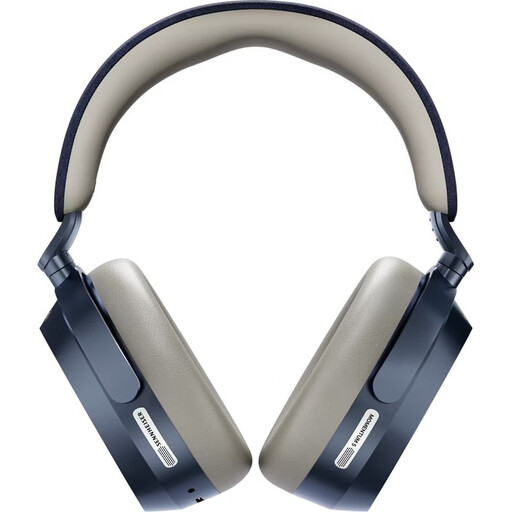
These over-ear headphones with ANC are an option if you’d rather listen to the audio guide without in-ears.
Sennheiser lists Bluetooth 5.4, ANC, transparency mode and an audio cable, as well as up to 57 hours of playback with ANC switched on.
 No image available
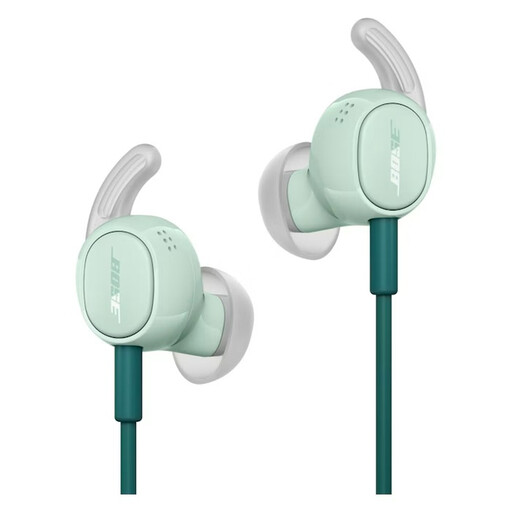
These wired in-ears are worth considering if your playback device supports USB-C audio and you want a direct connection.
Features listed include ANC, Quiet, Aware and ANC-off modes, as well as S, M and L eartips and M and L stability wings. A compatible USB-C device is required for the connection.
 No image available
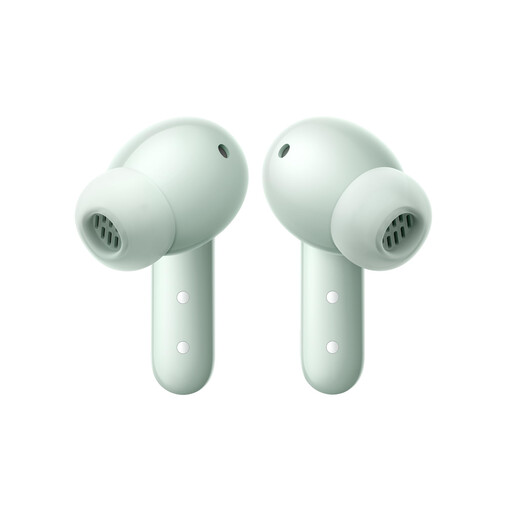
These true wireless in-ears with ANC are a compact option if you find eartips comfortable.
CMF lists Bluetooth 5.4, 11 mm drivers, IP55, touch controls and up to 7.5 hours of battery life.
 No image available
These over-ear headphones with ANC are an option if you prefer an over-ear fit for listening to the audio guide.
The product details list Bluetooth multipoint, an audio cable, a foldable design and soft ear cushions. Check that the cable connection is compatible with your audio source.
 No image available
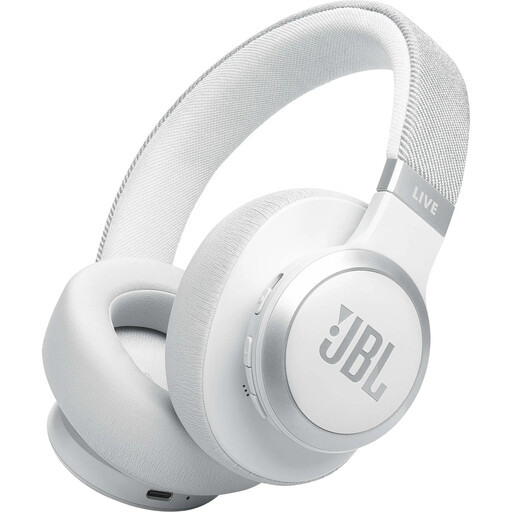
The over-ear design with ANC is a good choice if you’d rather listen to the audio guide without in-ears.
JBL states that they offer up to 50 hours of playback with ANC switched on, Bluetooth multipoint, a detachable audio cable and Smart Ambient.
There’s no blanket approval that applies to every flight phase and airline. The European Union Aviation Safety Agency points out that headphones can make announcements harder to hear and cables may restrict movement. Pay attention to the safety demonstration and follow the crew’s instructions.
Before your flight, test that your playback device can connect to the audio guide. If you want to listen to the in-flight entertainment, check the seat connection separately. A cable or a charging case with transmitter functionality will only help if it’s compatible with the specific audio output.
The WHO recommends well-fitting headphones, with noise-cancelling models where appropriate, so you need less volume in noisy surroundings. Keep the volume low and take listening breaks. This doesn’t guarantee that a particular ANC model will make speech equally clear in every cabin.
If you buy from a business seller in the EU, Your Europe states that you have at least two years of legal guarantee rights from the date you receive the goods. In general, the seller is the point of contact. Any additional manufacturer’s warranty offered doesn’t replace these rights.