What to look for when buying
For quick mix checks before bed, the right choice mainly depends on whether you prioritise judging the mix, blocking out noise, lying down comfortably or keeping your listening time under control.
Open-back studio or reference headphones
Suitable if: You can make quick mix comparisons in a quiet room and sound leakage won’t disturb anyone.
Trade-off: An open-back design won’t block out room noise; large earcups can be uncomfortable when you lean back.
Closed-back monitor headphones
Suitable if: You listen in a shared or noisy room and noise isolation matters more.
Trade-off: A closed-back design alone tells you nothing about the sound tuning of a particular model.
Low-profile sleep headphones or earbuds
Suitable if: Lying down comfortably or falling asleep matters more than making a reliable mixing decision.
Trade-off: A comfortable fit when lying on your side doesn’t confirm that you can use them to judge mix changes reliably.
| Priority |
What to check when buying |
Who it matters to |
| Judging mix changes |
Use familiar reference tracks and reviews of the model; listen to the same sections at a comparable volume. |
If I want to pick out small changes to balance or spatial qualities, I don’t want to mistake the headphone’s sound signature for a change in the mix. Around 31 % of consumers prioritise judging the mix. |
| Noise isolation in the evening |
Check room noise, whether anyone else might hear your audio, and the fit of a closed-back model. |
In a shared or noisy room, I want to hear the details in my mix without overlooking distracting background noise or sound leakage. Around 25 % of consumers prioritise noise isolation. |
| Fit when lying down |
Try your usual lying position and check for pressure on your ears and head. |
If I listen on my side before falling asleep, I want to avoid the headphones pressing uncomfortably against my ear. Around 25 % of consumers prioritise comfort when lying down. |
| Volume and listening time |
Set a low volume and limit playback time if you might fall asleep. |
If I might fall asleep while listening, I want to keep the volume deliberately low and avoid listening for a long time without realising. Around 19 % of consumers prioritise keeping their listening exposure under control. |
Joybuy product selection
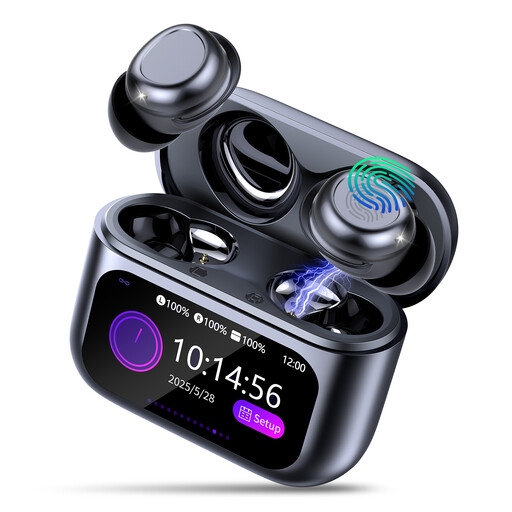
Joybuy product options for wireless listening before bed, including a model described as earbuds for side sleepers.
 No image available
ZYHKON Bluetooth earbuds for side sleepers, 5 EQ modes
The product name describes these wireless earbuds as being for side sleepers. Try the fit in your usual lying position, as earbuds can cause pressure when you lie on your side.
Bluetooth; five EQ modes.
View at Joybuy
Frequently asked questions
Can I use sleep headphones to judge mix changes?
A comfortable fit when lying on your side and suitability for making mixing decisions are two different things. If judging the mix is your priority, compare studio or reference models described for that purpose using familiar material. If falling asleep matters more, focus on the fit and your listening exposure.
Is impedance enough to tell whether headphones will work with a laptop or audio interface?
No, impedance alone isn’t enough: Focusrite points out that the volume you can reach also depends on the source, headphone sensitivity and listening environment. Check the connector, any adapter you may need and whether your own output provides a usable volume, without listening unnecessarily loudly.
What should I bear in mind when using earbuds before falling asleep?
Set a low volume and avoid accidentally listening for too long. The Cleveland Clinic notes that earbuds can press against your ears when you lie on your side, causing pain or irritation. The World Health Organization also lists volume and listening time as factors affecting the risk to your hearing.
What are my rights when shopping online in Germany?
For a typical distance purchase, you generally have a 14-day right to cancel, starting from delivery of the goods; check the terms of your specific purchase for exceptions and any return postage costs. If goods are faulty, you generally have a statutory warranty claim against the seller for at least two years from receipt. This is separate from any additional guarantee offered.


