What to consider when buying
For a quiet reading table, closed-back headphones are a sensible starting point. Open-back or semi-open models are better suited to places where sound leakage won’t disturb anyone.
Closed-back headphones
A good fit if: you work close to other people and compare mix changes directly on your laptop or audio interface.
Things to consider: This design can reduce background noise and sound leakage, but it doesn’t guarantee complete silence or a neutral sound.
Open-back headphones
A good fit if: you’re assessing spatial details in a mix somewhere other people won’t find sound leakage disruptive.
Things to consider: You’ll still hear your surroundings, and sound will escape. beyerdynamic describes the DT 990 PRO as not fully isolating.
Semi-open headphones
A good fit if: you’re specifically considering a semi-open model such as the AKG K240 MKII, and your workspace is suitable for sound leakage.
Things to consider: The term ‘semi-open’ doesn’t tell you how much sound will escape in your particular space.
| Buying criterion |
What to look for |
Who it matters to most |
| Consideration for others and sound leakage |
Check the closed-back design and fit; assess sound leakage at your intended listening volume and follow the venue’s rules. |
If I work alongside other people, I want to avoid disturbing them with sound leakage. Being considerate of others is the top priority for around 36 % of consumers. |
| Picking out changes in a mix |
Compare familiar passages and mix versions at matched volumes; where possible, check important decisions on a second playback system. |
When assessing changes to the bass or treble, I don’t want to confuse them with the headphones’ tuning. Sound quality is the top buying priority for around 29 % of consumers. |
| Comfort during longer comparisons |
Check the fit with your own glasses and over a realistic listening period; for the exact model, also check the ear pads and whether replacement pads are available. |
If I’m comparing mixes for longer, I want the headphones to feel comfortable on my head. Comfort comes first for around 21 % of consumers. |
| Connection to your playback device |
Check the audio output, plug and any adapter you may need, as well as the full model and impedance variant. |
If I want to work with my existing laptop or interface, the headphones need to be compatible. Connection compatibility is the top buying priority for around 14 % of consumers. |
Joybuy products on this topic
The Joybuy products below range from closed-back ANC in-ear headphones to over-ear models. When making decisions about a mix, compare the sound of the specific model with familiar passages.
 No image available
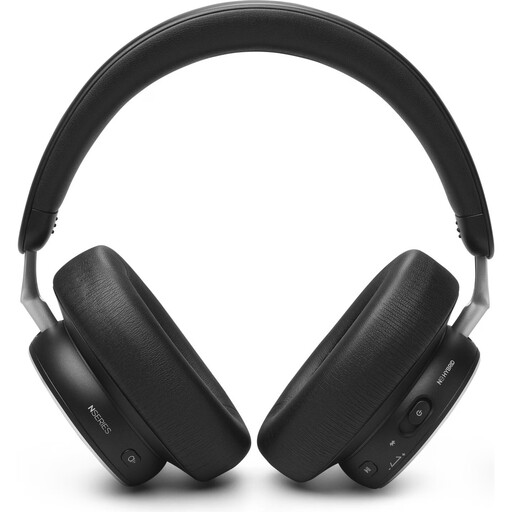
AKG N9 Hybrid, Black
The closed-back over-ear design and ANC may appeal if you want to reduce background noise in a shared space; they don’t prove a neutral response.
Foldable; 40 mm drivers; Bluetooth 5.3 with Multipoint; up to 55 hours of battery life; wired 3.5 mm option.
Joybuy
 No image available
CMF Buds 2 Plus, Light Grey
The closed-back in-ear design and ANC may appeal if you want to reduce background noise. For decisions about a mix, also check the sound tuning.
12 mm drivers; Bluetooth 5.4 with LDAC and Multipoint; up to 61.5 hours of stated total battery life.
Joybuy
 No image available
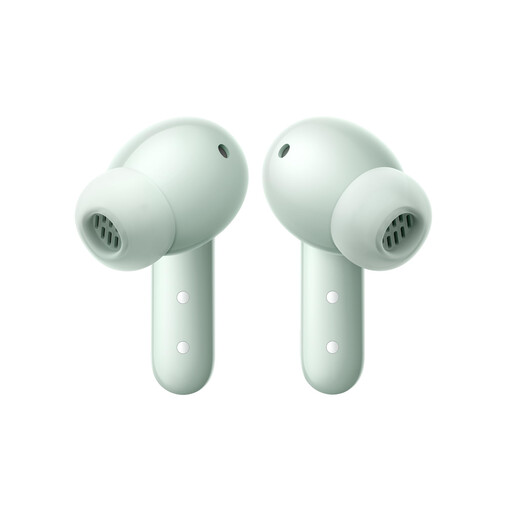
CMF Buds 2, Green
The closed-back in-ear design and ANC are worth considering if you want to reduce background noise in a shared space. The sound tuning of the specific model still matters when comparing mixes.
11 mm drivers; Bluetooth 5.4; up to 7.5 hours of battery life per charge.
Joybuy
 No image available
CMF Headphone Pro, Light Green
The closed-back over-ear design and ANC may appeal if you want to reduce background noise in a shared space. The Energy Slider can boost the bass or treble, so bear this sound change in mind when comparing mixes.
40 mm drivers; LDAC; up to 100 hours of stated battery life; Bluetooth 5.4 and connection to two devices.
Joybuy
 No image available
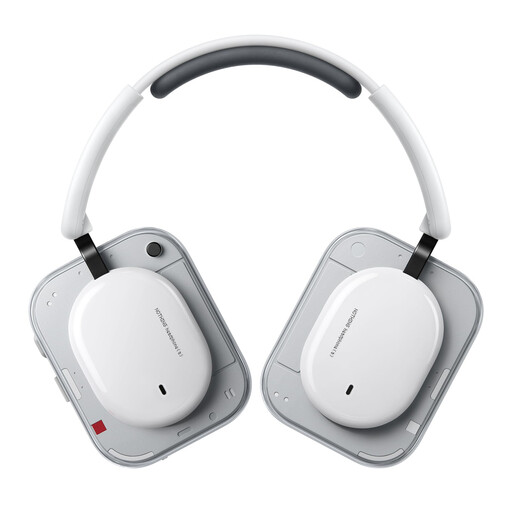
Headphone (a), White
This over-ear model may suit wired or wireless listening comparisons. Before buying, check that the connection options are right for your playback device.
40 mm drivers; LDAC; Bluetooth and wired playback; up to 135 hours of stated battery life.
Joybuy
Frequently asked questions
Does ‘closed-back’ mean people at the next table won’t hear anything?
No. It’s a sensible starting point, but you should check how much sound escapes with the specific fit and at your actual listening volume.
How do I connect my headphones at the library?
Check your laptop’s or interface’s audio output against the plug and any adapter you may need. With the DT 770 PRO, you’ll also need to match the 32-, 80- or 250-Ohm variant you choose to your playback device.
What should I consider for long listening comparisons and care?
Check the fit and volume over a realistic period of use. The German Environment Agency warns that excessively loud or prolonged sound can damage your hearing; beyerdynamic lists replaceable ear pads for the DT 770 PRO.
What are my rights if my headphones arrive faulty?
When you buy from a trader, faulty goods are covered by a statutory guarantee for at least two years from receipt. Your Europe, the European Union’s portal, distinguishes this right from a voluntary manufacturer’s warranty.
Can I listen to mixes with headphones in any library in Germany?
There’s no blanket permission that applies to every library, so check your library’s rules. The Staatsbibliothek zu Berlin’s rules ask visitors to avoid behaviour that disturbs others and require explicit approval from the Director General for commercial audio work.


